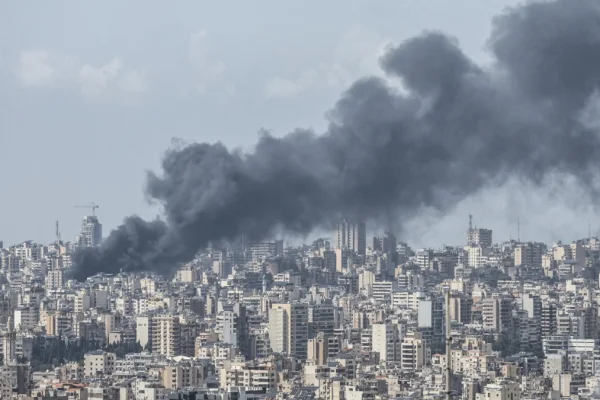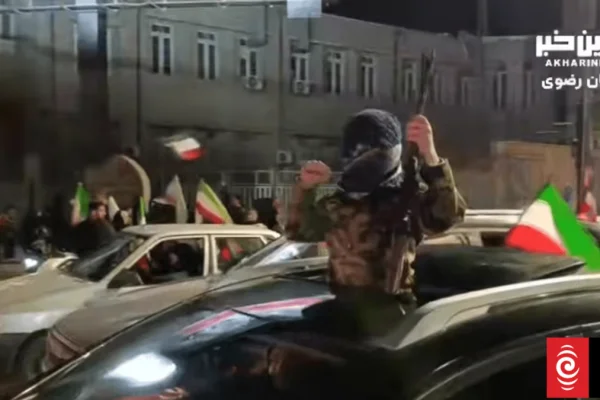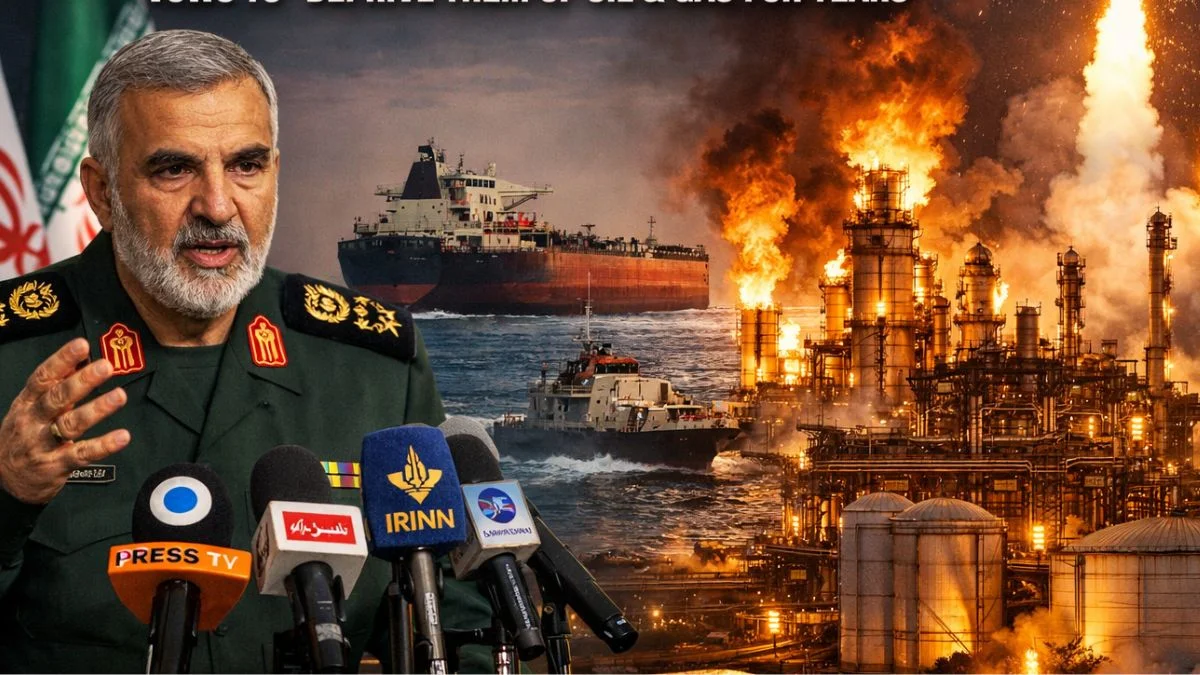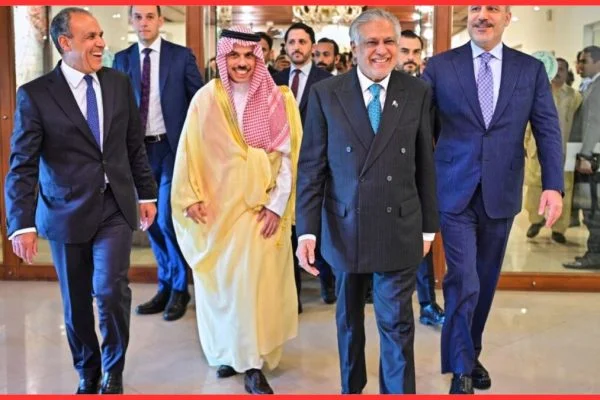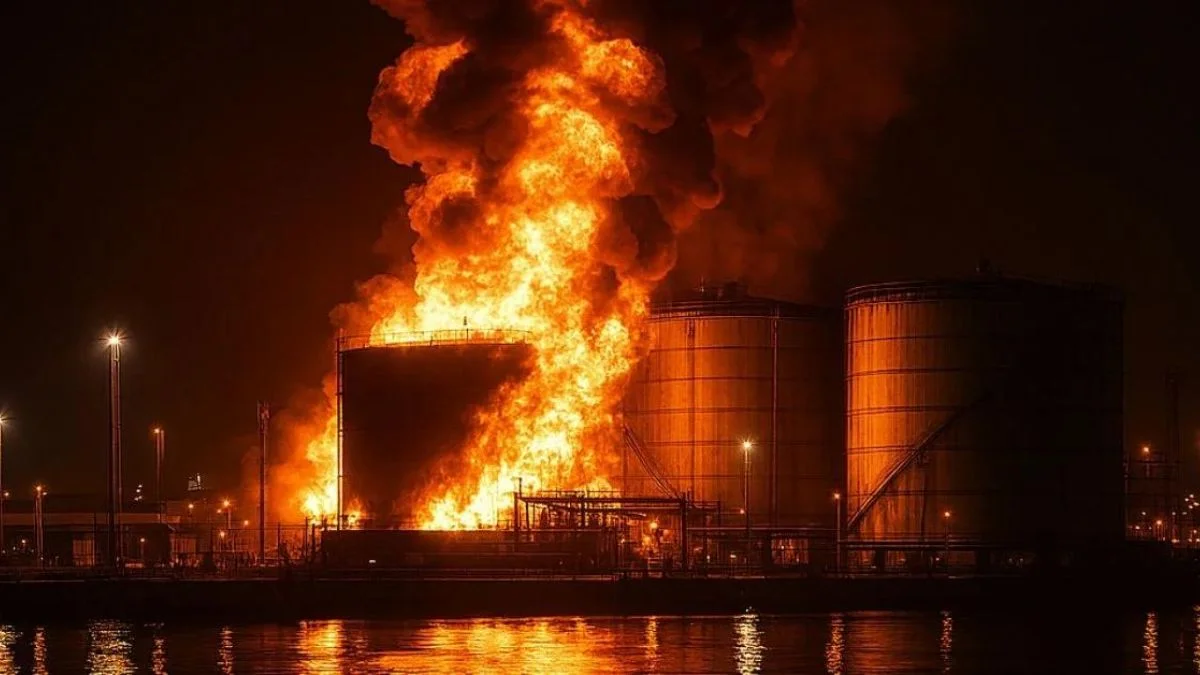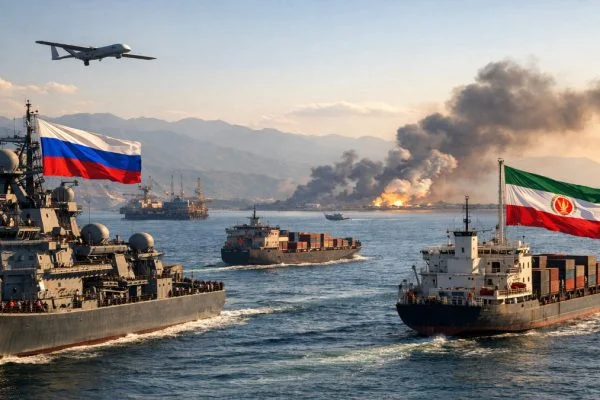
The continued ability of Iran to launch missiles despite sustained strikes by the United States and Israel reveals a critical gap between military targeting strategies and operational outcomes. While aerial bombardment of missile-launching infrastructure is intended to degrade offensive capabilities, the persistence of missile fire indicates that dispersed systems, mobile launchers and hardened facilities remain functional. This reality carries significant legal implications, particularly under the framework of the Geneva Conventions, which regulate the conduct of hostilities and impose obligations on all parties.
Distinction and proportionality in targeting missile infrastructure
Under international humanitarian law, parties to a conflict are required to adhere to the principle of distinction, ensuring that attacks are directed only at military objectives. Missile launching sites, by their nature, qualify as legitimate targets, provided they are actively contributing to military operations. However, the principle of proportionality imposes an additional constraint, prohibiting attacks that may cause excessive civilian harm relative to the anticipated military advantage. The targeting of missile infrastructure, particularly when located in or near populated areas, raises complex legal questions about compliance with these standards. The persistence of Iranian missile launches suggests that strikes may not be achieving their intended objectives, thereby complicating the proportionality analysis.
Military necessity and effectiveness of sustained air campaigns
The concept of military necessity permits the use of force to achieve legitimate military objectives, yet it does not justify actions that violate other principles of international law. The continued functioning of missile systems despite repeated strikes raises questions about the effectiveness of the campaign and whether alternative strategies may be required. From a legal perspective, the justification for ongoing strikes must be continually reassessed in light of their actual impact. If the destruction of missile capabilities remains incomplete, the rationale for repeated attacks must be carefully evaluated to ensure compliance with legal standards. The law does not permit indefinite escalation without demonstrable military necessity.
Iranian missile operations and legal accountability
Iran’s continued missile launches also engage legal scrutiny, particularly if such attacks target civilian areas or lack sufficient discrimination. Under international humanitarian law, the use of inherently indiscriminate weapons or tactics may constitute a violation. The responsibility to comply with legal norms applies equally to all parties, regardless of strategic position. The persistence of missile fire, therefore, raises questions about Iran’s adherence to its obligations, especially in relation to targeting practices and the protection of civilians. Accountability mechanisms, although limited in practice, remain an essential component of the legal framework.
Technological adaptation and the evolution of warfare
The ability of Iran to sustain missile operations despite targeted strikes reflects broader trends in modern warfare, including the use of decentralised systems and adaptive tactics. Mobile launch platforms and underground facilities complicate traditional targeting approaches, reducing the effectiveness of conventional air campaigns. This evolution has significant legal implications, as it challenges existing frameworks designed for more conventional conflicts. The law must adapt to address the realities of technologically advanced and asymmetrical warfare, ensuring that core principles remain applicable. The interplay between innovation and regulation is a defining feature of contemporary conflict.
Regional stability and escalation risks
The ongoing exchange of strikes and missile launches contributes to a volatile regional environment, with potential implications for neighbouring states and global security. The risk of escalation is heightened by the persistence of offensive capabilities on both sides, creating a cycle of action and reaction. From an international relations perspective, the inability to neutralise missile threats may prolong the conflict and complicate diplomatic efforts. The legal framework governing the use of force, including the principles of necessity and proportionality, plays a critical role in managing these risks. The balance between military objectives and regional stability remains fragile.
Humanitarian consequences and civilian impact
The continuation of missile attacks and counterstrikes inevitably affects civilian populations, both directly and indirectly. Damage to infrastructure, displacement and psychological harm are among the consequences that must be considered in any legal assessment. International humanitarian law seeks to mitigate these effects, yet its effectiveness depends on compliance by all parties. The persistence of hostilities underscores the challenges of enforcing legal norms in active conflict zones. The protection of civilians remains a central concern.
Conclusion: enduring missile capability underscores the limits of force within legal constraints
The ongoing ability of Iran to launch missiles despite sustained strikes by the United States and Israel highlights the limitations of military force in achieving strategic objectives. From a legal perspective, the situation underscores the importance of adhering to established principles governing the conduct of hostilities, even in the face of operational challenges. The interplay between effectiveness and legality is central to the analysis, as states must balance their security objectives with their legal obligations. As the conflict continues, the role of international law in shaping and constraining state behaviour remains critical. Ultimately, the persistence of missile operations serves as a reminder that military action alone cannot resolve complex geopolitical conflicts and that legal frameworks remain essential in guiding the conduct of war.