

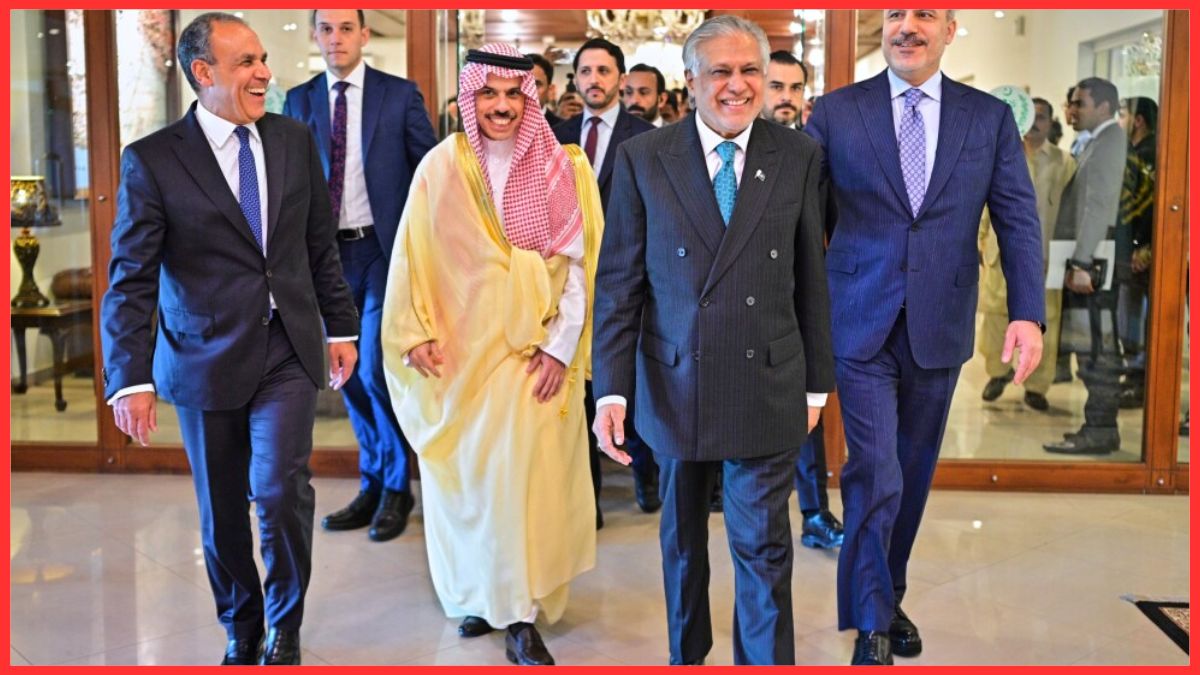
Pakistan’s Foreign Minister Ishaq Dar has attributed a recent escalation in regional tensions to Israel, describing the situation as a “dangerous development” that, according to his remarks in the Pakistani Senate, has undermined Islamabad’s diplomatic efforts to facilitate dialogue between the United States and Iran. As reported by Geo News, Dar conveyed that both Washington and Tehran had reached a preliminary understanding to engage in talks hosted in Islamabad, marking a rare moment of convergence in an otherwise strained bilateral relationship. He indicated that Pakistan had actively served as a communication conduit, transmitting a detailed 15-point framework from the United States to Iran, while reciprocally conveying a five-point response from Tehran to Washington. This diplomatic exchange, which had reportedly followed two weeks of high-level deliberations, was further corroborated by Islamic Republic News Agency, which confirmed that Iran had formally relayed its position through Pakistani intermediaries. Dar noted that optimism surrounding the negotiations had been notably high prior to the reported developments on Monday night, implying that the trajectory of engagement was progressing toward a structured dialogue phase.
Regional Stability Concerns Intensify as Diplomatic Channels Face Disruption
The unfolding situation underscores the fragility of indirect diplomatic channels in the Middle East, where third-party facilitation often plays a critical role in bridging entrenched geopolitical divides. Pakistan’s assertion positions the alleged Israeli action as a disruptive factor at a sensitive juncture, when preliminary consensus-building had begun to take shape between the United States and Iran. While no independent verification of the broader implications has been detailed within the available statements, the episode reflects the complex interplay of regional actors and the challenges inherent in sustaining momentum in conflict-sensitive negotiations. The developments, as outlined through official statements and state-affiliated media, highlight the strategic significance of backchannel diplomacy and the potential consequences when such efforts encounter abrupt geopolitical shocks.