

Even if the fighting stops, the damage to Iran’s children will not. New reporting and testimony from parents, clinicians, and aid workers show a generation being shaped not only by physical danger, but by sleep loss, panic, interrupted schooling, and the kind of chronic fear that can outlast any ceasefire.
What the evidence shows
BBC reporting says children in Iran are showing classic signs of trauma, including hyper arousal, nightmares, and panic responses to ordinary sounds such as slamming doors or dropped utensils. The same report describes school closures, unemployment, and parents who are themselves too frightened to restore normal routines, leaving children trapped in a home environment defined by uncertainty. UNICEF and the UN Committee on the Rights of the Child have separately warned that children must never be treated as collateral damage and that schools and hospitals remain protected spaces under international humanitarian law. The physical toll is also severe. Children and adolescents have been killed during the escalation, and humanitarian workers warned that millions of children across the region face both direct and indirect health consequences. UNICEF and other monitoring groups have documented child casualties in the hundreds, as well as damage to schools and hospitals, which compounds the longer-term harm by cutting off education and healthcare at the same time.
Why does the damage last
Child trauma does not end when a ceasefire starts. Psychologists describe the symptoms now being reported in Iran as early indicators of post-traumatic stress disorder, especially when a child’s brain links sudden noise, movement, or parental anxiety with imminent danger. In practical terms, that means the war can keep “happening” in the child’s body and mind long after the battlefield quiets. The disruption to routine may be just as damaging as the explosions. Children need predictable schooling, meals, sleep, friends, and safe play to develop normally, but conflict interrupts each of those building blocks at once. When education is suspended, and families are forced to stay indoors, children lose the ordinary structure that helps them regulate stress and build independence.
The legal and moral problem
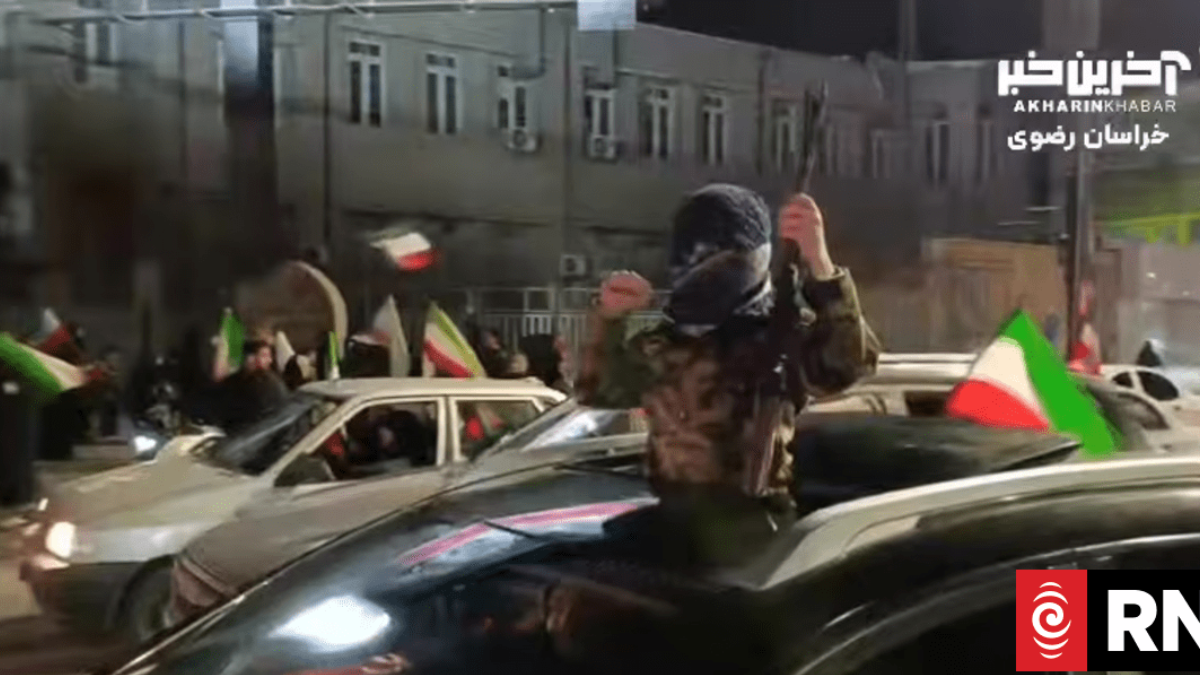
International law is clear that children are entitled to special protection in armed conflict. Schools and hospitals are civilian objects, and attacks on them raise serious legal questions under international humanitarian law, especially when they foreseeably harm children. The UN Committee on the Rights of the Child has specifically warned that children must not become collateral damage in the Middle East escalation. There is also a separate moral failure when children are drawn into the conflict environment as symbols, auxiliaries, or security helpers. Children are being used in security roles, a development that turns childhood itself into a battlefield. That kind of exposure can normalise violence for children who are not only witnessing war, but being asked to participate in it.
What comes next
If the ceasefire holds, the next challenge is not just reconstruction but recovery. Iran will need mental health support, safe schools, trauma-informed teachers, and family assistance if children are to regain a sense of normal life. Without that, the war will continue in subtler form, through anxiety, aggression, withdrawal, learning loss, and the long shadow of fear. The hard truth is that the end of shooting does not mean the end of damage. For many Iranian children, the war has already moved from the streets into memory, and that is often the hardest place to heal.