

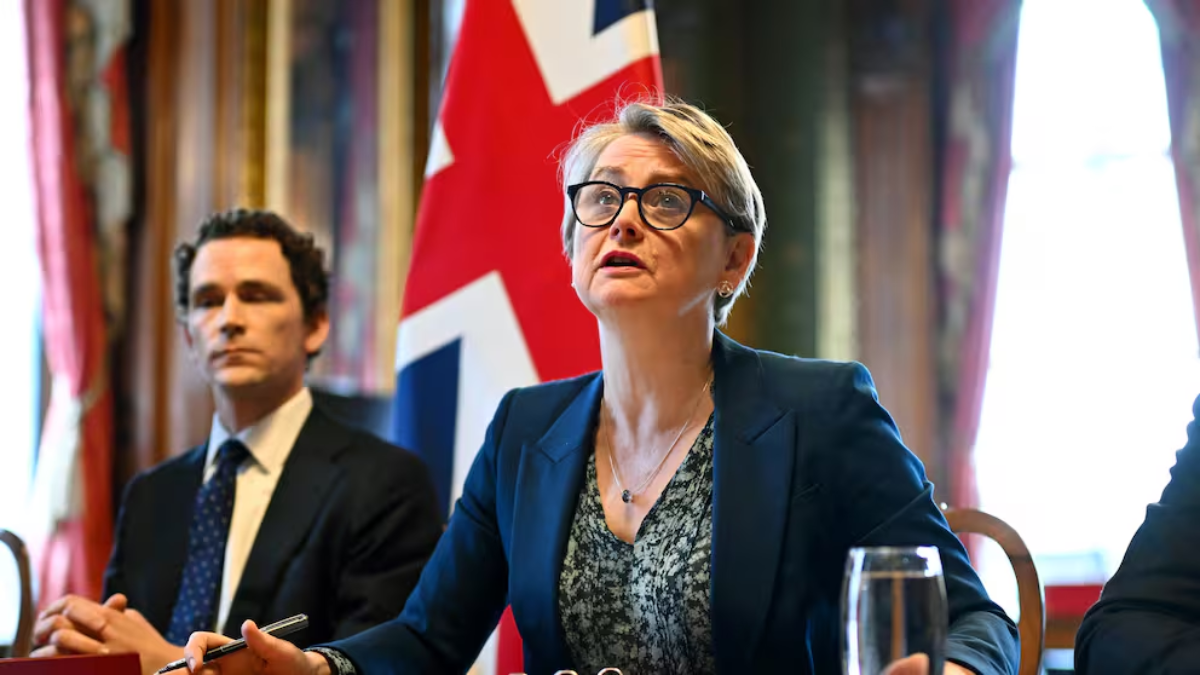
Sir Keir Starmer’s Saudi stop is part of a wider Gulf diplomatic push designed to lock in the Iran-United States ceasefire, reduce pressure on the Strait of Hormuz, and prevent the conflict from widening further. The practical aim is not simply to show solidarity with Gulf allies, but to secure regional support for a longer-term framework that protects shipping, energy markets, and British interests in the Middle East.
Why Saudi Arabia matters
Saudi Arabia is central because it sits at the intersection of the conflict’s military, economic, and diplomatic consequences. It has faced Iranian attacks in the wider regional escalation, and the UK has already signalled support for Saudi defensive needs, including military assets and intelligence cooperation. A visit to Riyadh also gives Starmer a channel to coordinate with a major energy producer and a key Gulf security partner at a time when disruption to the Strait of Hormuz could raise global transport and fuel costs.
The ceasefire question
The diplomatic core of the trip is the ceasefire that the UK has publicly welcomed and wants to sustain. Starmer has said, in substance, that the objective is to support the ceasefire, turn it into a durable agreement, and restore normal maritime access through the Strait of Hormuz. That matters because a temporary pause in hostilities does not resolve the underlying dispute over Iran’s nuclear activity, regional retaliation, or attacks on shipping routes, so the risk of renewed escalation remains high.
Legal and strategic stakes
From an international law perspective, the Gulf talks are about preserving freedom of navigation, preventing further attacks on civilian and commercial shipping, and stabilizing a conflict that has already affected states beyond the direct belligerents. The Strait of Hormuz is a strategic chokepoint, and restrictions on it carry implications under the law of the sea as well as broader questions of self-defence and proportionality when military responses target infrastructure or vessels. For Britain, the issue is also domestic, because energy shocks and trade disruption feed directly into inflation, consumer prices, and the security of British nationals across the region.
What Starmer is really trying to achieve
In practical terms, Starmer is trying to help convert a fragile ceasefire into a regional settlement architecture with Gulf backing. That means reassuring Saudi Arabia and its neighbours, limiting further missile or drone escalation, keeping maritime routes open, and giving diplomacy time to work before military dynamics harden into a wider war. The visit is therefore less about ceremony than about crisis containment, coalition management, and protecting British strategic interests in a conflict that is already reshaping Middle Eastern security.