

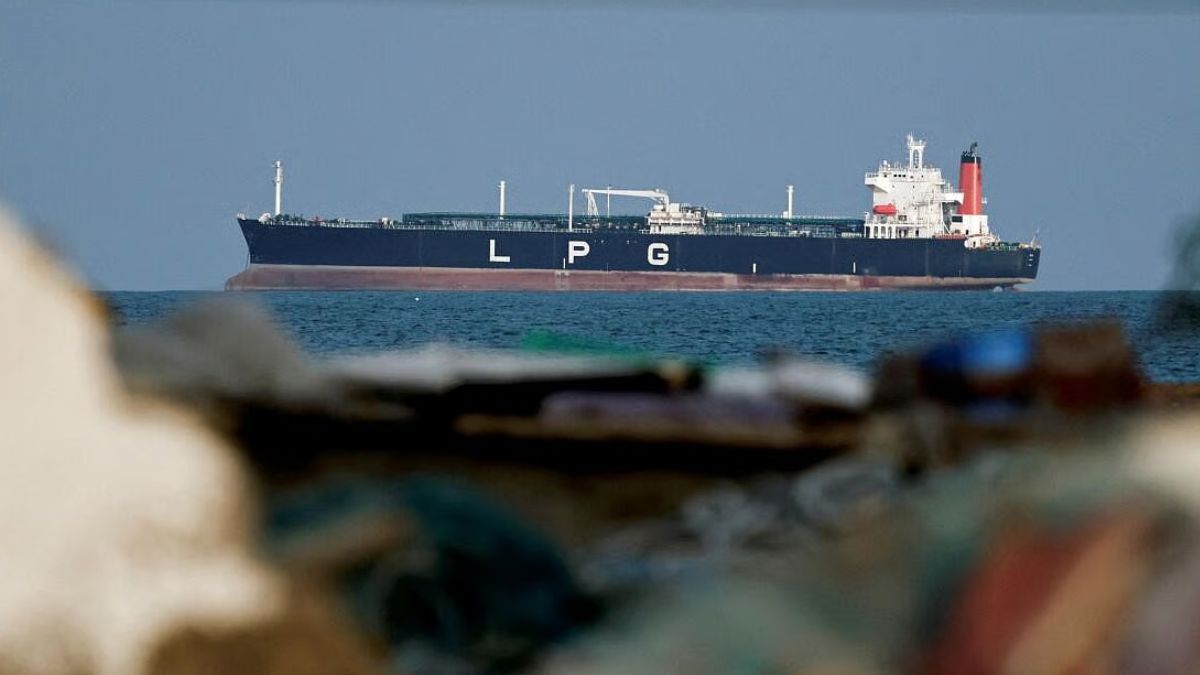
India’s continued access to LPG shipments through restricted maritime corridors in the Gulf region is highlighting a growing tension between energy security imperatives and adherence to rules-based global trade norms.
As one of the world’s largest importers of LPG, India depends heavily on seaborne supplies from West Asia to meet domestic demand. Recent geopolitical disruptions in the Strait of Hormuz have forced Indian shipments to rely on exceptional routing arrangements, including passage through Iran-controlled coastal lanes. While these arrangements have ensured continuity of supply, they raise important questions about long-term trade sustainability.
From an energy security perspective, such access provides immediate relief. Maintaining steady LPG inflows is critical for household consumption and price stability. However, the reliance on politically contingent permissions introduces a new dimension of vulnerability. Unlike conventional trade routes governed by international maritime norms, these corridors are subject to unilateral decisions by regional actors.
Analysts caution that this creates a pattern of asymmetric dependence. If access to critical shipping lanes can be selectively granted or withdrawn, India’s energy supply chain becomes partially dependent on geopolitical goodwill rather than predictable commercial arrangements. This could expose the country to sudden disruptions in the event of shifting political dynamics.
The issue also raises broader concerns about trade governance. The principle of free navigation and equal access underpins global maritime trade. Selective waivers, even if beneficial in the short term, may weaken these norms by legitimizing differentiated access based on political alignment. Over time, this could erode the stability of global trade systems and increase the role of strategic bargaining in commodity flows.
Data trends from UNCTAD indicate that geopolitical disruptions already contribute to higher freight costs and insurance premiums. When combined with selective access policies, these factors create a layered risk environment that is difficult for importers to hedge.
India’s policy response is increasingly focused on diversification and resilience. Efforts to expand domestic energy infrastructure, including piped natural gas networks and alternative import terminals, aim to reduce reliance on vulnerable maritime routes. Strengthening bilateral energy partnerships with Gulf producers is also seen as a way to secure more stable supply arrangements.
At the same time, India must balance its immediate energy needs with its long-term commitment to rules-based trade. Overreliance on exceptional access mechanisms could limit strategic autonomy, particularly if such arrangements become embedded in broader geopolitical negotiations.
Trade experts emphasize that the solution lies in a multi-pronged approach: diversifying supply sources, investing in strategic reserves, and advocating for the preservation of open maritime access through international forums. This would allow India to maintain energy security without compromising its position in the global trade system.
The current situation underscores a critical reality: in an era of geopolitical volatility, energy security and trade norms are increasingly intertwined. For India, navigating this intersection will require careful calibration of policy, diplomacy, and economic strategy.
As chokepoints like Hormuz continue to influence global trade, the ability to secure reliable access while upholding fair and open trade principles will become a defining challenge for major importing economies.