

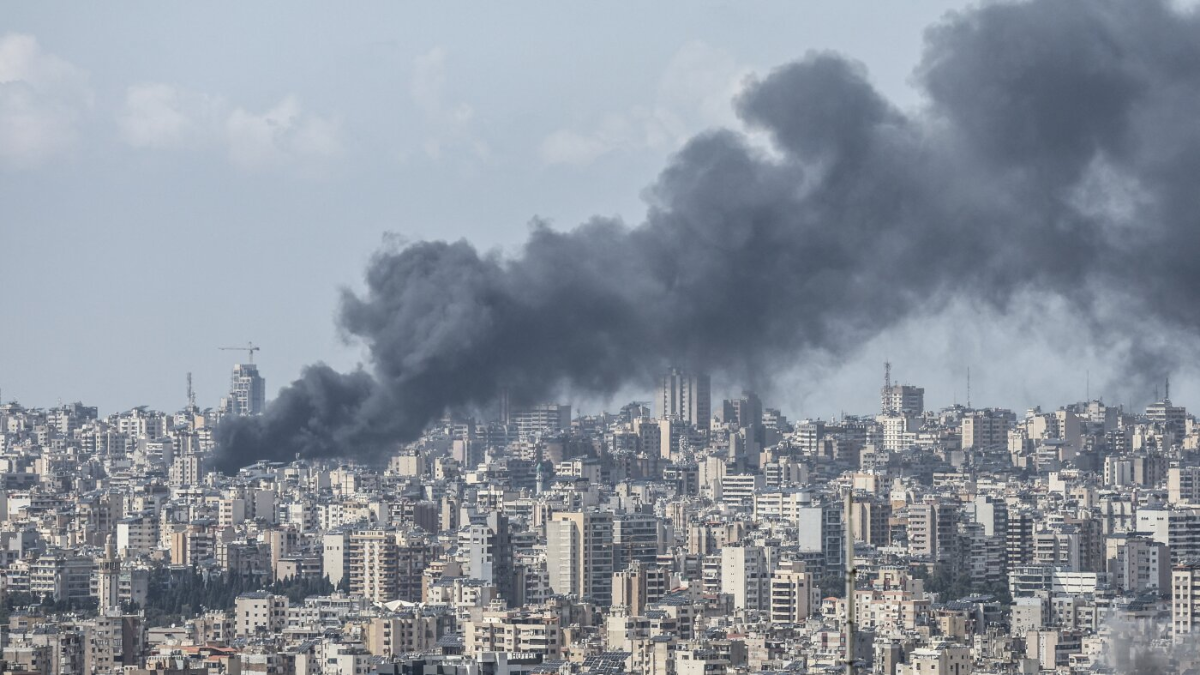
The two-week ceasefire between Iran and the United States is holding only in the narrowest sense, because the two sides appear to disagree on what they actually agreed to. Tehran says the pause must include Lebanon, while Washington insists it does not, turning a supposed de-escalation into a live dispute over the scope of the deal.
What each side says
The US position, repeated by Vice President JD Vance and White House spokeswoman Karoline Leavitt, is that Lebanon was never included in the ceasefire agreement. Vance said the Iranians had been under a “legitimate misunderstanding” and that Washington never promised the truce would cover Lebanon. By contrast, Iranian officials have argued that Israel’s continuing strikes on Lebanon breach the spirit or text of the arrangement, and that a ceasefire cannot be meaningful if one front keeps burning.
Why Lebanon matters
Lebanon is not a side issue, because it is where Israel is fighting Hezbollah, which is backed by Iran and seen by Israel as part of the same regional threat network. That is why Iranian officials have pushed for Lebanon to be folded into the ceasefire: from Tehran’s perspective, Israel cannot keep attacking a key ally while claiming to be in a truce with Iran. The disagreement is therefore not just semantic, but strategic, because it decides whether the ceasefire is regional or limited to direct US-Iran confrontation.
What the dispute changes
This ambiguity has immediate practical consequences. If Lebanon is excluded, Israel retains freedom to continue operations there, which undermines the idea of a broader regional pause and gives Iran a reason to threaten withdrawal from the agreement. If Lebanon is included, then the ceasefire becomes much harder to enforce, because it would require restraint not only from Iran and the US, but also from Israel and Hezbollah. That complexity helps explain why the agreement is fragile despite being technically in force.
The legal and diplomatic problem
The legal problem is that ceasefires depend on precise terms, but the political reality here is that the terms were either poorly drafted or deliberately left ambiguous. Diplomatically, that creates a dangerous situation in which each side claims the other is violating the deal before a shared understanding has even been reached. The result is a ceasefire that exists on paper but is already under strain because its most important geographical question remains unresolved.
Bottom line
So the ceasefire is technically holding, but only in a tense and contested form. Iran wants Lebanon inside the deal, the US says it is outside it, and that gap is now one of the biggest threats to the agreement’s survival.