

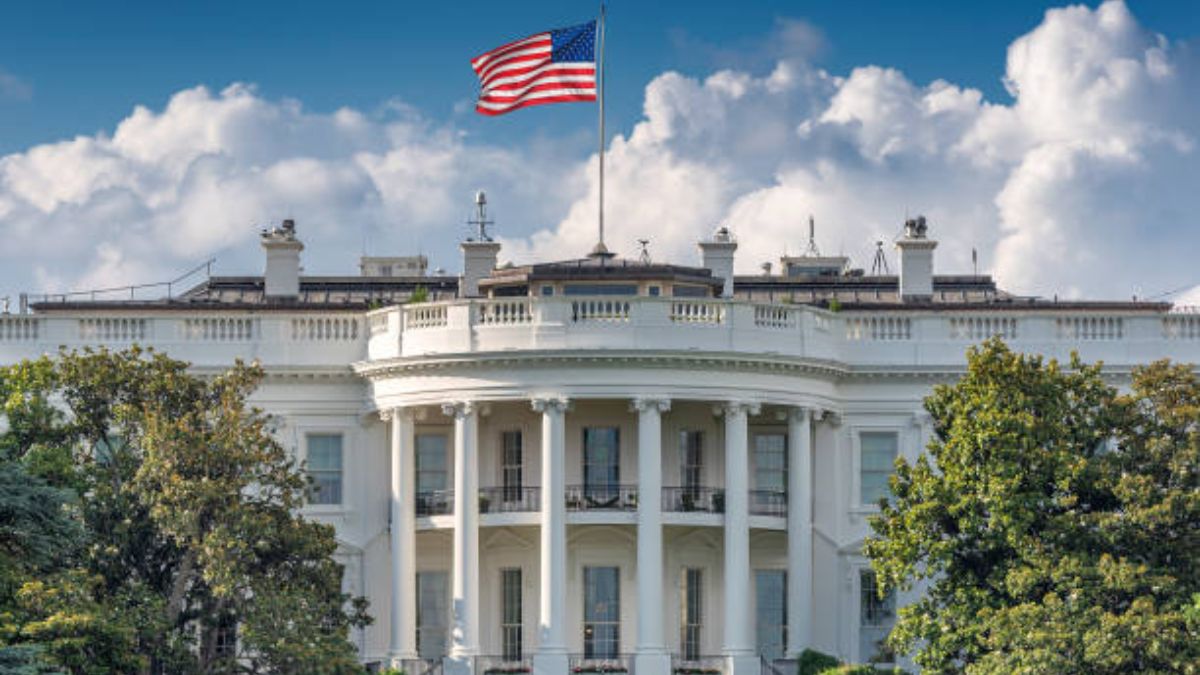
The White House has firmly rejected suggestions that the United States is considering the use of nuclear weapons against Iran, seeking to quell mounting speculation amid a sharp escalation in rhetoric and military tensions across the region. The denial follows a wave of concerns triggered by recent statements and interpretations of comments made by Donald Trump, which some analysts and public figures had construed as signalling a potential shift towards extreme military options. However, officials in Washington have moved swiftly to clarify that no such determination has been made, emphasising that nuclear escalation is not part of the current operational framework. According to senior administration sources, the United States continues to rely on conventional military capabilities and strategic deterrence in its approach to Iran. The clarification comes amid heightened scrutiny after public commentary raised fears of a possible escalation beyond conventional warfare, particularly in the context of ongoing hostilities and rising geopolitical instability.
The denial must be viewed against the backdrop of intensifying confrontation between Washington and Tehran. Recent developments, including threats targeting Iranian infrastructure and escalating military deployments in the region, have contributed to a climate of uncertainty and heightened risk. President Trump’s rhetoric, including warnings of severe consequences for Iran’s actions, has drawn both domestic and international attention. Critics have argued that such language risks fuelling misinterpretation, while supporters maintain that it forms part of a broader strategy of coercive diplomacy aimed at compelling Iran to alter its strategic posture. The White House has sought to strike a careful balance, reiterating its commitment to preventing Iran from advancing its nuclear capabilities while distancing itself from any suggestion of nuclear first use. Officials have underscored that the United States retains a range of military options but remains focused on achieving its objectives without resorting to measures that could trigger catastrophic escalation.
The issue of nuclear weapons remains central to the broader dispute between the United States and Iran. Washington has consistently maintained that preventing Tehran from acquiring nuclear weapons is a core national security priority. At the same time, Iran has repeatedly denied seeking to develop such capabilities, framing its nuclear programme as peaceful in nature. Against this complex backdrop, the White House’s denial serves as an attempt to reassure both domestic and international audiences that the current strategy does not involve nuclear engagement. The administration has emphasised that its approach is grounded in deterrence, economic pressure, and calibrated military action rather than escalation to nuclear conflict.
The clarification comes at a critical moment for the Middle East, where tensions remain elevated across multiple theatres. The situation surrounding the Strait of Hormuz continues to be a focal point, given its strategic importance for global energy flows. Any perception of potential nuclear escalation would have far reaching consequences, not only for regional stability but also for global markets and international security frameworks. The White House’s denial is therefore likely aimed at preventing further volatility and maintaining a degree of strategic predictability.
While military posturing continues, diplomatic efforts remain ongoing, often through indirect channels involving regional mediators. The broader objective remains the de escalation of tensions and the potential establishment of a ceasefire framework. However, the path forward remains uncertain. The combination of strong rhetoric, strategic mistrust, and competing geopolitical interests continues to complicate efforts at resolution.
The White House’s categorical denial of any intent to use nuclear weapons against Iran represents a crucial intervention in an increasingly tense geopolitical environment. By seeking to clarify its position, Washington appears intent on managing escalation risks while maintaining pressure on Tehran. As developments continue to unfold, the distinction between rhetoric and policy will remain central to understanding the trajectory of the conflict. For now, the administration’s message is clear: while tensions may be rising, nuclear escalation is not on the table.