

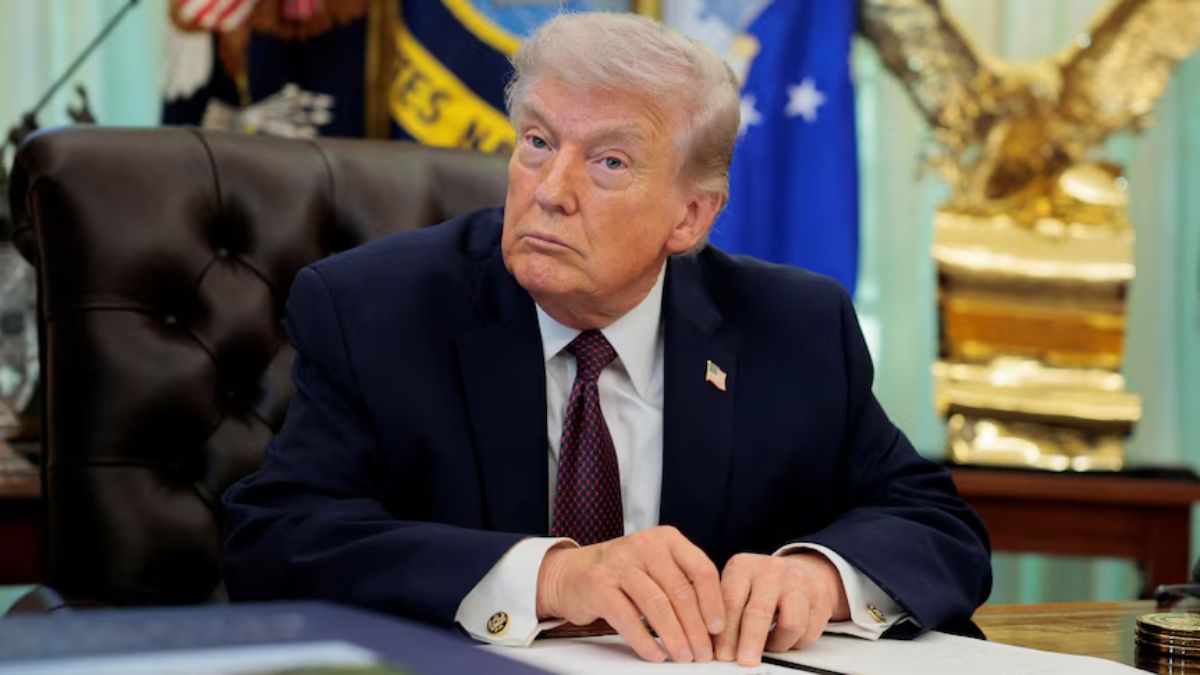
In a significant development that underscores the intensity of ongoing diplomatic efforts, Donald Trump has declined to provide details on Pakistan’s proposed two week ceasefire plan, citing “heated negotiations” currently underway. Speaking to Fox News, Trump stated that he could not comment at this stage, signalling that high level discussions remain active and potentially sensitive.
Trump’s remarks indicate that negotiations linked to the ongoing Middle East conflict have entered a crucial phase. By refraining from public comment, the United States appears to be maintaining strategic discretion while diplomatic channels continue to operate behind closed doors. The statement aligns with earlier confirmation from the White House that Pakistan’s proposal had been formally brought to the President’s attention and was under consideration.
Pakistan’s initiative calls for a comprehensive two week ceasefire across the region, aimed at allowing diplomacy to produce a substantive and lasting resolution. The proposal also includes a request for Iran to temporarily reopen the Strait of Hormuz as a goodwill gesture, alongside a pause in hostilities by all parties. The plan has rapidly gained international traction, particularly after signals from Iran that it is positively reviewing the proposal.
Analysts interpret Trump’s refusal to comment as a deliberate move to avoid influencing or complicating ongoing negotiations. Public statements at such a stage could risk escalating tensions or undermining fragile diplomatic progress. The reference to “heated negotiations” suggests that key stakeholders may be engaged in intensive discussions over ceasefire terms, security guarantees, and broader geopolitical considerations.
The outcome of these negotiations carries significant implications not only for regional stability but also for global economic conditions. The Strait of Hormuz remains a vital artery for international oil shipments, and any disruption or reopening directly impacts global energy prices. A successful ceasefire agreement could stabilise markets and reduce volatility, while failure to reach consensus may heighten risks of escalation and supply disruptions.
With diplomatic engagement intensifying, all eyes remain on Washington’s next move. Trump’s cautious stance highlights both the complexity and the high stakes of the negotiations. As discussions continue behind the scenes, the possibility of a coordinated ceasefire remains uncertain but increasingly pivotal. The coming days are likely to determine whether diplomacy can deliver a breakthrough or whether the region faces further instability.