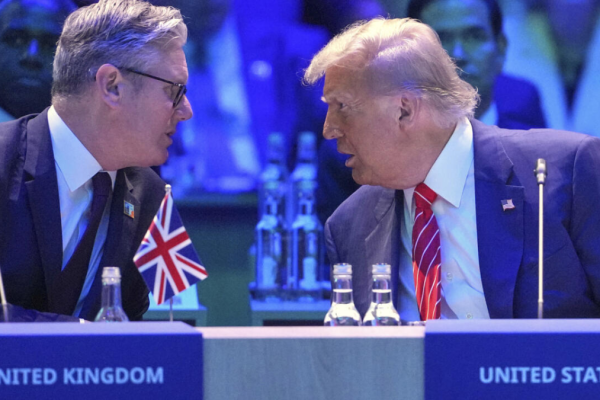
The unfolding conflict dynamics across West Asia have laid bare an uncomfortable and increasingly untenable reality within international diplomacy. For over a year, successive rounds of negotiations concerning regional escalation have been overwhelmingly dominated by bilateral or trilateral engagements between Washington, Tel Aviv and Tehran, while the very states absorbing the immediate economic, infrastructural and security shockwaves have remained structurally sidelined. The demand now emerging from the Gulf Cooperation Council is neither rhetorical nor symbolic. It is a forceful recalibration of regional power expectations grounded in lived vulnerability, economic disruption and systemic exclusion.

The Gulf Cooperation Council, established in 1981 and headquartered in Riyadh, was conceived as a collective mechanism for economic integration, political coordination and security cooperation among six monarchies including Saudi Arabia, the United Arab Emirates, Qatar, Kuwait, Oman and Bahrain. Over the decades, it has evolved into a complex institutional framework with ambitions of a unified market, coordinated fiscal regimes and even a prospective monetary union. Yet despite this structural maturity, its geopolitical agency in crisis negotiation frameworks has remained conspicuously constrained, particularly in conflicts where its member states are directly exposed.

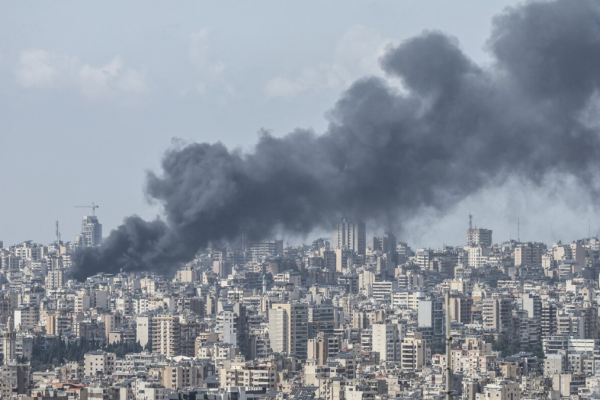
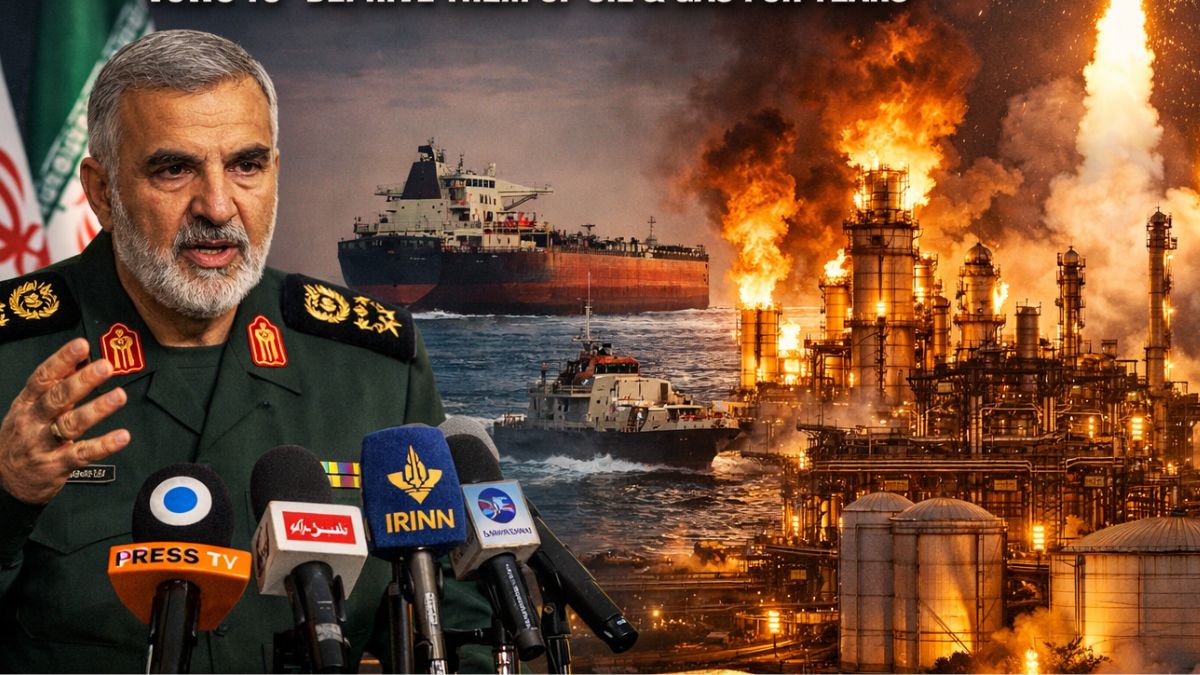
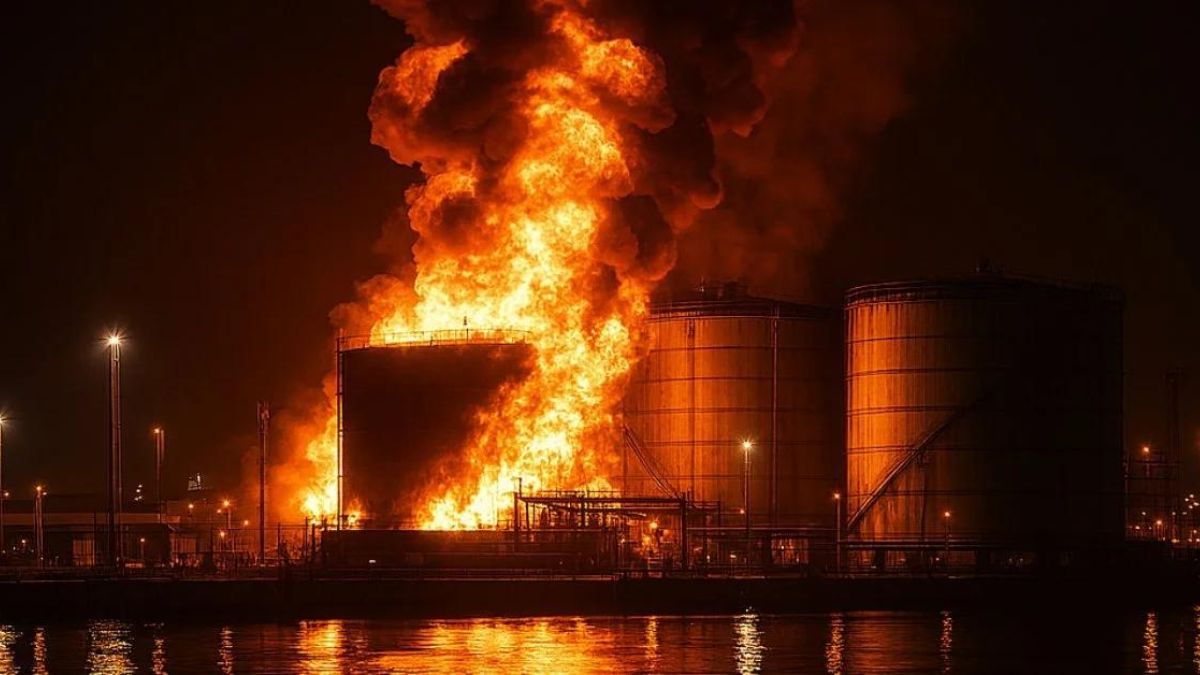
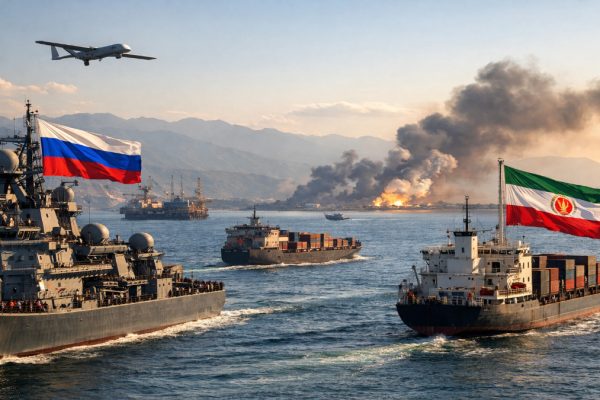
The present war has demonstrated with alarming clarity that when hostilities escalate between Iran and Israel or between Iran and the United States, the first casualty is neither abstract stability nor distant strategic balance but the immediate territorial, economic and civilian integrity of Gulf states. Energy infrastructure has been targeted with precision, ports have faced disruption, and civilian zones have not been spared from the expanding theatre of conflict. This is not collateral damage in the conventional sense. It is systemic exposure resulting from geographic proximity and economic centrality.

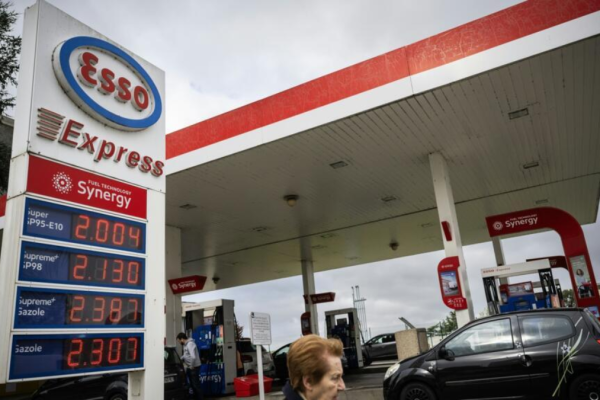
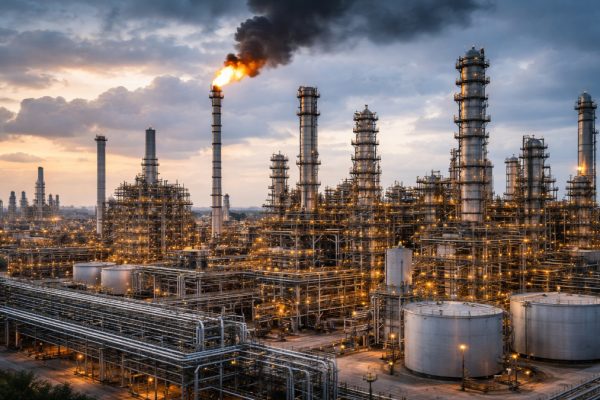
Energy markets provide the most visible manifestation of this disruption. Since the onset of hostilities, the production and export flows of oil and gas from the Gulf region have experienced measurable contraction. For economies that are deeply integrated into global energy supply chains and whose sovereign wealth structures depend significantly on hydrocarbon revenues, this is not merely a cyclical downturn. It represents a structural shock with cascading implications for global markets, inflationary trends and energy security architectures extending from Europe to East Asia.

It is therefore unsurprising that one of the core demands emerging from GCC capitals is the institutionalisation of guarantees ensuring the uninterrupted flow of energy. This is not a narrow economic concern but a foundational requirement for global stability. Without enforceable assurances embedded within any future peace settlement, the volatility of supply chains will continue to act as a destabilising force in international markets, undermining both producer and consumer economies.

Equally pressing is the security dimension, particularly the persistent threat posed by missile and drone attacks. Since the outbreak of conflict, Gulf states have reportedly faced sustained aerial threats, including dozens of missiles and tens of drones targeting critical and civilian infrastructure. This pattern of escalation has transformed what might once have been considered peripheral risk into a central security crisis. The demand that Iran’s missile capabilities and nuclear trajectory cease to function as instruments of regional intimidation is therefore rooted in immediate operational realities rather than abstract strategic posturing.

The question of proxy networks further complicates the regional landscape. Gulf states have long argued that non state actors aligned with Tehran function as force multipliers that extend instability across borders. The current conflict has reinforced these concerns, with proxy engagements intensifying pressure on multiple fronts simultaneously. For GCC leadership, the dismantling or neutralisation of these networks is not an ancillary demand but a prerequisite for any durable regional equilibrium.

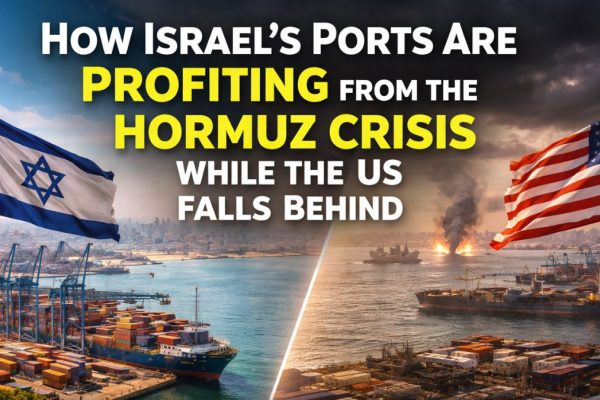
To understand the depth of this insistence on inclusion, one must appreciate the GCC’s economic and infrastructural integration. The council has invested heavily in creating a common market framework, a customs union operational since 2015 and cross border infrastructure projects such as interconnected power grids and ambitious railway networks intended to bind the region into a cohesive economic corridor. These are not merely development initiatives but strategic assets designed to enhance resilience. Yet their effectiveness is fundamentally compromised when conflict repeatedly disrupts physical and financial connectivity.

Moreover, the GCC’s evolving financial architecture, including discussions around a unified currency and coordinated monetary policy, underscores its aspiration to function as a consolidated economic bloc with significant influence over global financial systems. Exclusion from high level negotiations therefore does not merely undermine political dignity. It directly threatens the viability of long term economic integration projects that depend on regional stability.

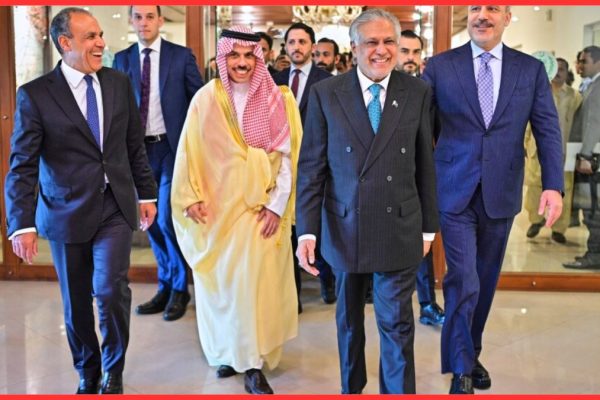
What emerges from this moment is a profound critique of existing diplomatic frameworks. The prevailing model, which privileges great power negotiation while marginalising regional stakeholders, is increasingly misaligned with the realities of interconnected vulnerability. The GCC’s demand to be present at the negotiating table is not an appeal for recognition but a strategic necessity. Without their inclusion, any agreement risks being structurally incomplete, lacking both legitimacy and enforceability within the very region it seeks to stabilise.

There is also a broader implication for international relations theory and practice. The crisis challenges the enduring assumption that external powers can engineer stability through top down agreements without incorporating the agency of proximate actors. In a region as economically vital and security sensitive as the Gulf, such an approach is not only outdated but operationally flawed.

The path forward will require a reconfiguration of diplomatic architecture that acknowledges the GCC not as a peripheral bloc but as a central stakeholder with both the capacity and the imperative to shape outcomes. Their demands for energy security guarantees, de escalation of missile threats, containment of proxy actors and formal representation in negotiations are grounded in empirical realities that cannot be dismissed without risking further instability.

In the final analysis, the insistence of Gulf states on being at the negotiating table represents a pivotal moment in the evolution of regional diplomacy. It signals a shift from passive exposure to active assertion, from strategic marginalisation to institutional engagement. Whether global powers are willing to accommodate this shift will determine not only the trajectory of the current conflict but the future architecture of stability in one of the world’s most consequential regions.