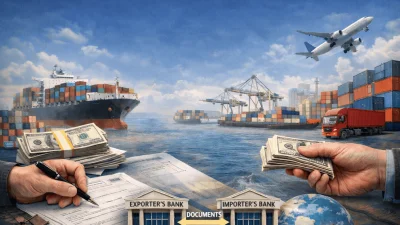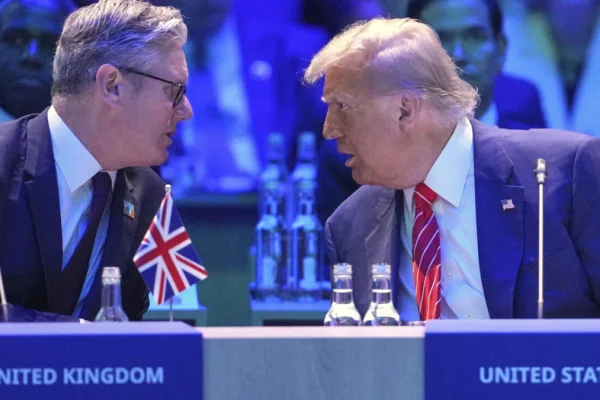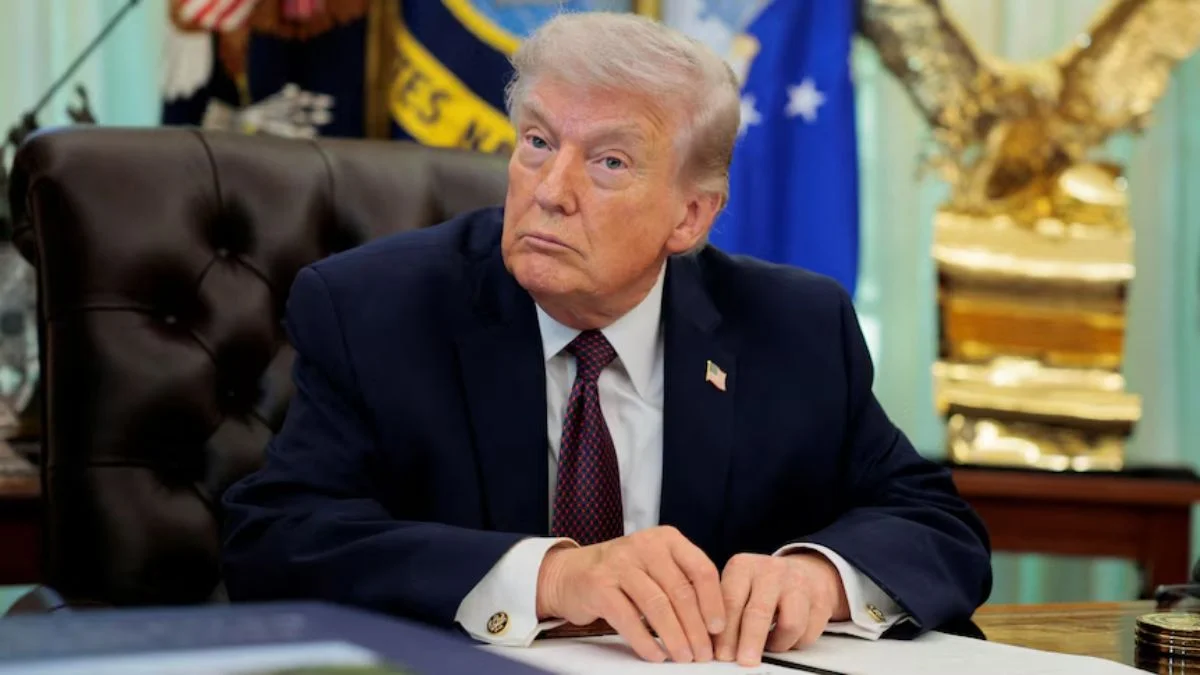
The emerging indication that the Trump administration is adopting a pragmatic approach towards tariff refunds marks a significant evolution in the legal and economic architecture of the United States trade policy. While tariffs have long been used as instruments of economic leverage, the reconsideration of refund mechanisms reflects a growing recognition of their downstream legal consequences, particularly in light of litigation, compliance obligations, and international scrutiny. From a legal standpoint, tariff refunds are not merely administrative adjustments but are deeply embedded within statutory frameworks, judicial oversight, and global trade rules. The move towards pragmatism, therefore, represents a recalibration rather than a retreat, balancing domestic policy objectives with external legal pressures.
Statutory framework governing tariffs and refunds
The imposition and administration of tariffs in the United States are primarily governed by statutes such as the Trade Act of 1974 and related provisions, including Section three hundred one. These laws grant the executive broad authority to impose tariffs in response to unfair trade practices. However, the collection of tariffs must comply with procedural requirements, and errors or legal challenges can give rise to refund obligations. Importers may seek refunds through administrative processes or litigation, particularly where tariffs are found to have been improperly imposed or calculated. The pragmatic approach reportedly being adopted suggests an increased willingness to resolve such claims efficiently, reducing the burden of prolonged disputes.
Judicial oversight and the role of trade courts
Tariff disputes frequently come before specialised judicial bodies such as the United States Court of International Trade, which plays a central role in interpreting trade statutes and ensuring compliance with legal standards. Courts have the authority to order refunds where tariffs are deemed unlawful or improperly administered. The accumulation of cases challenging tariff measures has created pressure on the administration to address refund claims in a manner that minimises litigation risk. A pragmatic stance may therefore reflect a strategic effort to align administrative practice with judicial expectations. This interaction between executive action and judicial review underscores the importance of legal accountability in trade policy.
International obligations and World Trade Organization compliance
The United States’ tariff policies are also subject to obligations under the World Trade Organization, which establishes binding commitments regarding tariffs and trade practices. Disputes brought before the WTO may result in rulings requiring the modification of measures or the provision of compensation. Tariff refunds can serve as a mechanism for addressing adverse rulings and mitigating the risk of retaliatory measures by trading partners. The pragmatic approach may therefore be partly driven by the need to maintain compliance with international obligations and preserve the stability of trade relationships. The interplay between domestic law and international commitments is a defining feature of modern trade governance.
Economic impact and business confidence
From an economic perspective, the availability of tariff refunds has significant implications for businesses engaged in international trade. Companies affected by tariffs often face increased costs and uncertainty, which can influence investment decisions and supply chain strategies. A more flexible approach to refunds may enhance business confidence by providing a clearer pathway for redress. It may also reduce the financial strain on firms that have borne the burden of contested tariffs. This dynamic highlights the role of legal mechanisms in shaping economic outcomes.
Strategic considerations and policy signalling
The adoption of a pragmatic stance on tariff refunds can also be interpreted as a form of policy signalling. It suggests a willingness to adapt trade policy in response to legal and economic realities, while maintaining the broader objectives of protecting domestic industries and addressing perceived unfair practices. Such signalling may influence negotiations with trading partners, as it demonstrates a degree of flexibility within an otherwise assertive trade posture. It also reflects an understanding that rigid enforcement of tariffs without regard to legal challenges may be counterproductive.
Broader implications for global trade governance
The development has implications beyond the United States, as it may influence how other countries approach similar issues. The balance between enforcement and flexibility is a common challenge in trade policy, and the United States’ approach may serve as a reference point for other jurisdictions. At the same time, the reliance on unilateral measures continues to raise questions about the effectiveness of multilateral frameworks in resolving trade disputes. The role of the WTO remains central, yet its capacity to enforce compliance is often limited by political considerations.
Conclusion: pragmatism as a legal and strategic necessity
The reported shift towards a pragmatic approach to tariff refunds reflects a broader recognition of the legal complexities inherent in modern trade policy. By addressing refund claims more flexibly, the Trump administration appears to be aligning its practices with both domestic legal requirements and international obligations. This evolution underscores the importance of adaptability in navigating the intersection of law, economics, and geopolitics. As trade tensions continue to shape the global landscape, the ability to reconcile enforcement with fairness will remain a critical determinant of policy success. Ultimately, the episode illustrates that legal pragmatism is not a concession but a necessary component of effective governance in an interconnected world.