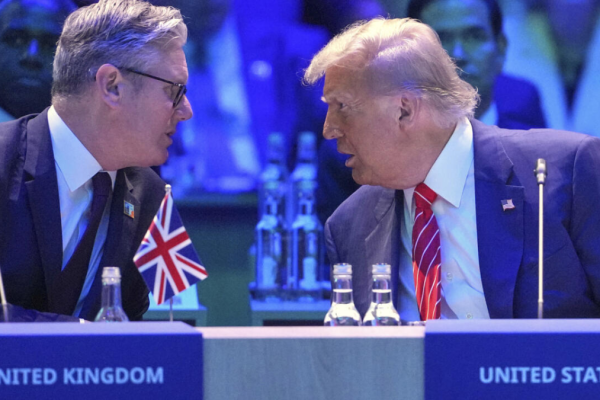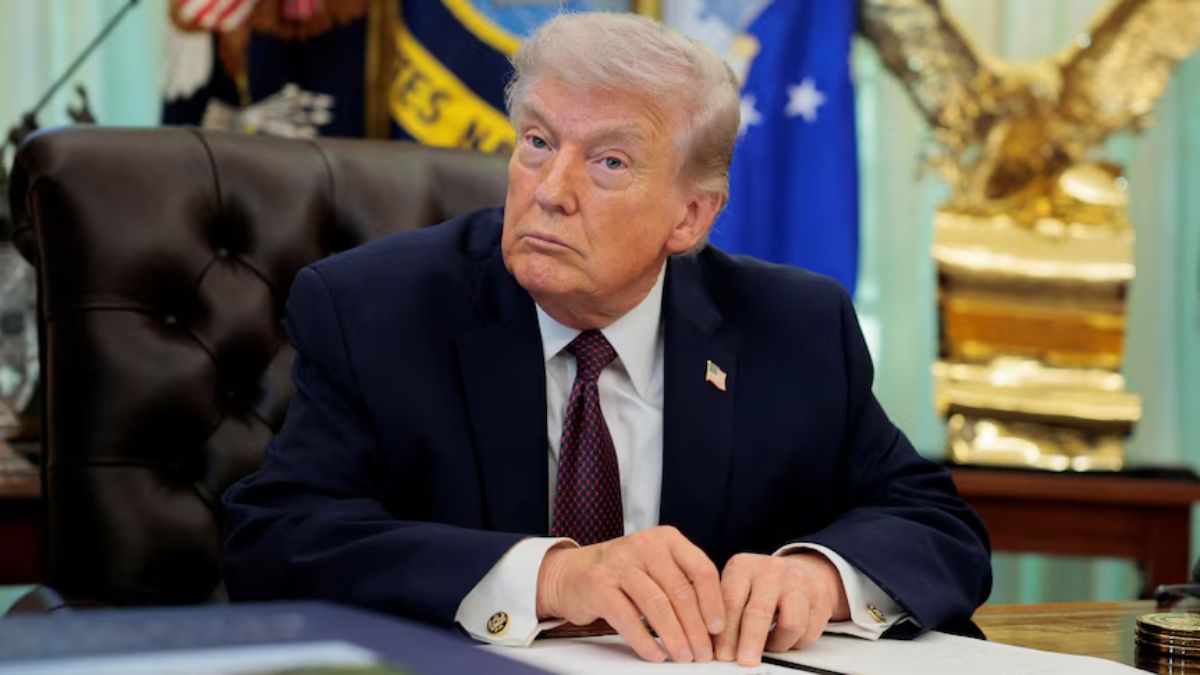
When Donald Trump announced a five-day postponement of threatened US strikes on Iranian power infrastructure on 23 March 2026, global markets reacted with extraordinary speed and conviction. Within hours, Brent crude elevated above $114 per barrel amid escalating tensions fell sharply, dropping toward the $100 mark in the same trading cycle. Equity markets across Europe and the United States rallied strongly, with benchmark indices gaining close to two per cent, while traditional safe havens such as gold retreated by roughly two and a half per cent.
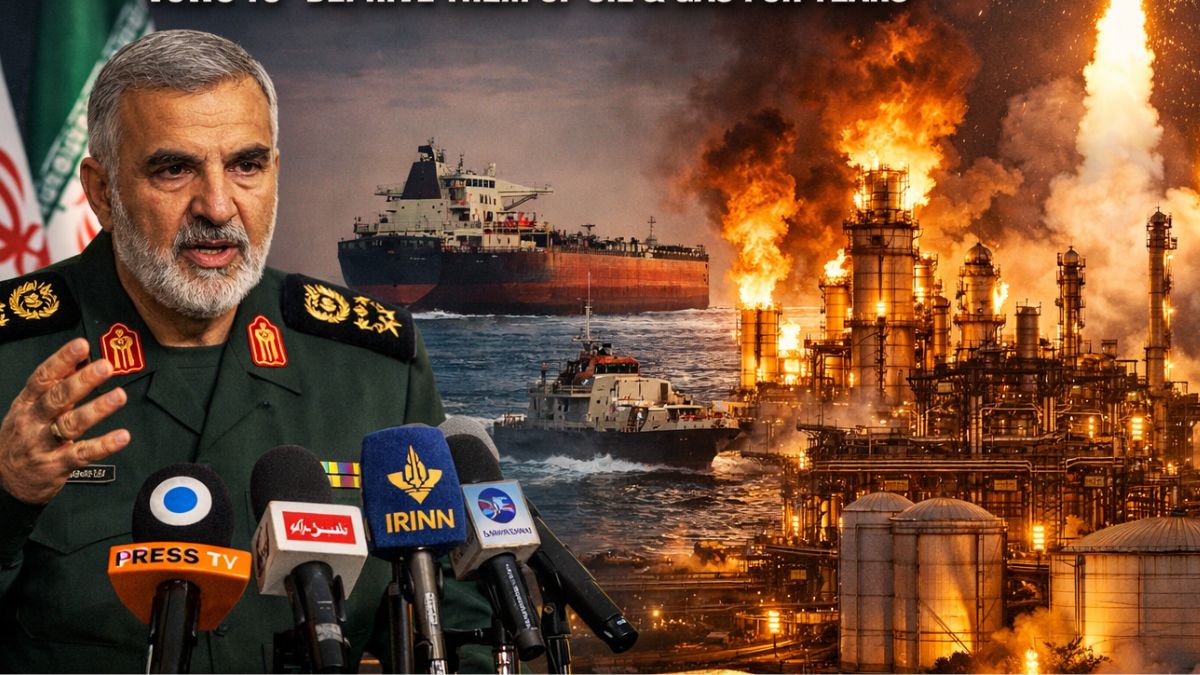
On the surface, this appeared to be a textbook case of de escalation. Prices adjusted, risk receded, and confidence returned. But in the physical world of trade the movement of ships, cargoes, and energy flows nothing changed. At the heart of this contradiction lies the Strait of Hormuz, the narrow maritime corridor through which nearly one fifth of the world’s oil supply passes. Despite the market optimism triggered by Trump’s statement, there was no verified restoration of commercial shipping activity through this critical route. The Strait remained effectively constrained, its operational reality shaped not by financial sentiment but by persistent geopolitical risk. This divergence between price and movement is not incidental. It is the defining feature of the current crisis.
In previous geopolitical shocks, markets and trade systems tended to move in rough synchrony. A credible easing of tensions would typically result in a gradual resumption of shipping, a reduction in freight risk, and a stabilisation of supply chains. What unfolded here was fundamentally different. Financial markets repriced almost instantly, but the global trade system did not follow.
The reason lies in a growing credibility fracture that has emerged as the central axis of this conflict. While Washington projected optimism, suggesting that productive engagement with Iran was underway, Iranian state aligned agencies categorically denied that any such talks had taken place. This contradiction did more than create diplomatic ambiguity it split the global response mechanism in two.
Financial markets, operating on forward looking expectations, responded to the possibility of de escalation signalled by the United States. Trade actors, by contrast, anchored their decisions to the persistence of risk, reinforced by Tehran’s denial. The result is a bifurcated system in which prices reflect optimism while logistics reflect distrust. For global trade, this represents a profound shift. Risk is no longer being assessed solely on the basis of capability or intent, but on the credibility of competing narratives. In this instance, the absence of a shared diplomatic reality has proven more destabilising than overt escalation.
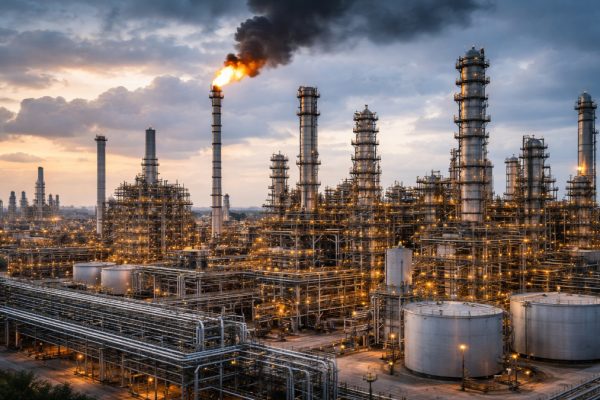
The scale of what remains disrupted underscores the gravity of the situation. The Strait of Hormuz is not merely another shipping route; it is the central artery of the global energy system, facilitating the movement of roughly twenty per cent of internationally traded oil. The current disruption has already been described in analytical circles as the most significant energy supply shock since the oil crises of the 1970s. Earlier estimates suggest that supply chains have faced disruptions amounting to several million barrels per day, with figures reaching as high as nine million barrels in peak scenarios. Crucially, none of these structural realities changed following Trump’s postponement. The physical constraints remained intact, the risks unresolved, and the incentives for caution firmly in place.
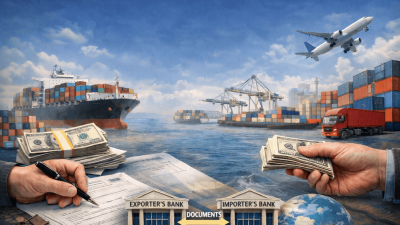
There is also a deeper structural reason why trade did not respond to the apparent easing of tensions. Unlike financial markets, which can adjust positions within minutes, global trade operates on significantly longer cycles. Shipping routes are governed by charterparty commitments, insurance approvals, port schedules, and complex financing arrangements. Even if risk perception shifts, the machinery of trade cannot recalibrate instantly. Ships do not turn around mid voyage, insurers do not immediately lower premiums, and cargo flows cannot be reconfigured overnight.
This creates a temporal disconnect in which markets can signal recovery long before trade is capable of executing it. The result is an illusion of stability one that exists in pricing models but not in physical reality. Yet the most consequential impact of Trump’s announcement lies not in what changed, but in what did not. The postponement did not eliminate the threat of military action; it merely deferred it. Iran’s response did not signal willingness to de escalate; it reinforced the unpredictability of the situation. Together, these dynamics have produced a state of suspended certainty in which neither escalation nor resolution is fully priced into the system.
In practical terms, this has left global trade operating in a condition of constrained continuity. Commercial obligations continue to be honoured even as physical flows remain impaired. Energy buyers must still secure supply, refiners must maintain throughput, and governments must manage strategic reserves. This has led to a growing reliance on deferred deliveries, stock drawdowns, and rerouting strategies each carrying significant additional cost.
What emerges is a paradoxical reality: trade persists financially even as it stalls physically. The event will likely be remembered not as a moment of de escalation, but as a turning point in how global trade responds to geopolitical risk. The sharp repricing triggered by Donald Trump’s announcement did not reflect a change in underlying conditions; it reflected a change in expectations. And expectations, as this episode demonstrates, can diverge sharply from operational reality.
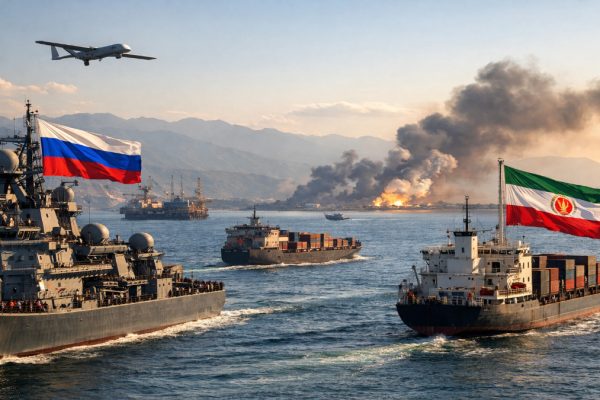
Until that divergence is resolved until the signals driving markets and the conditions governing trade begin to align the global trading system will remain in a precarious state. Prices may suggest that movement is possible, but the ships that carry the world’s most critical commodities will continue to wait at the edge of the Strait of Hormuz, held back not by the absence of demand, but by the persistence of doubt. In that space between expectation and execution, global trade is no longer merely responding to geopolitics. It is being defined by it.