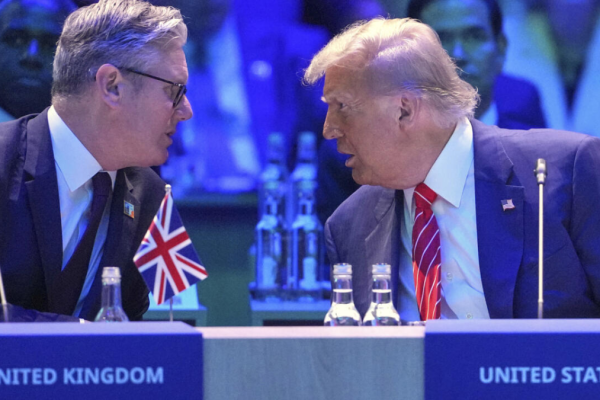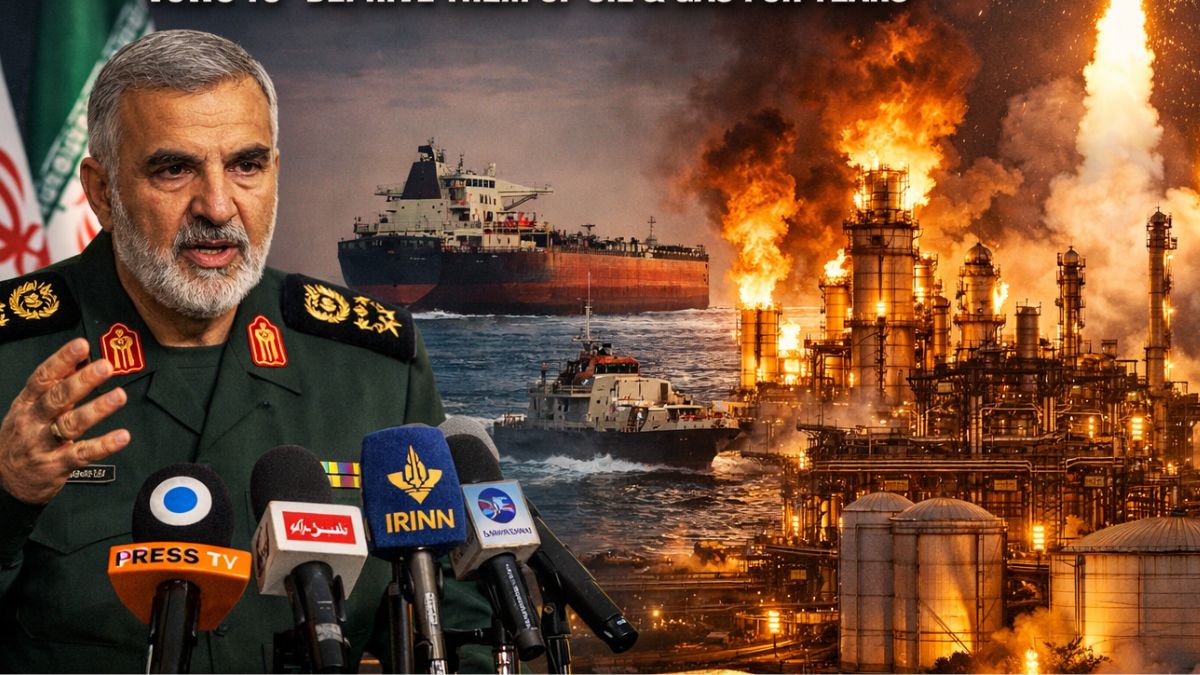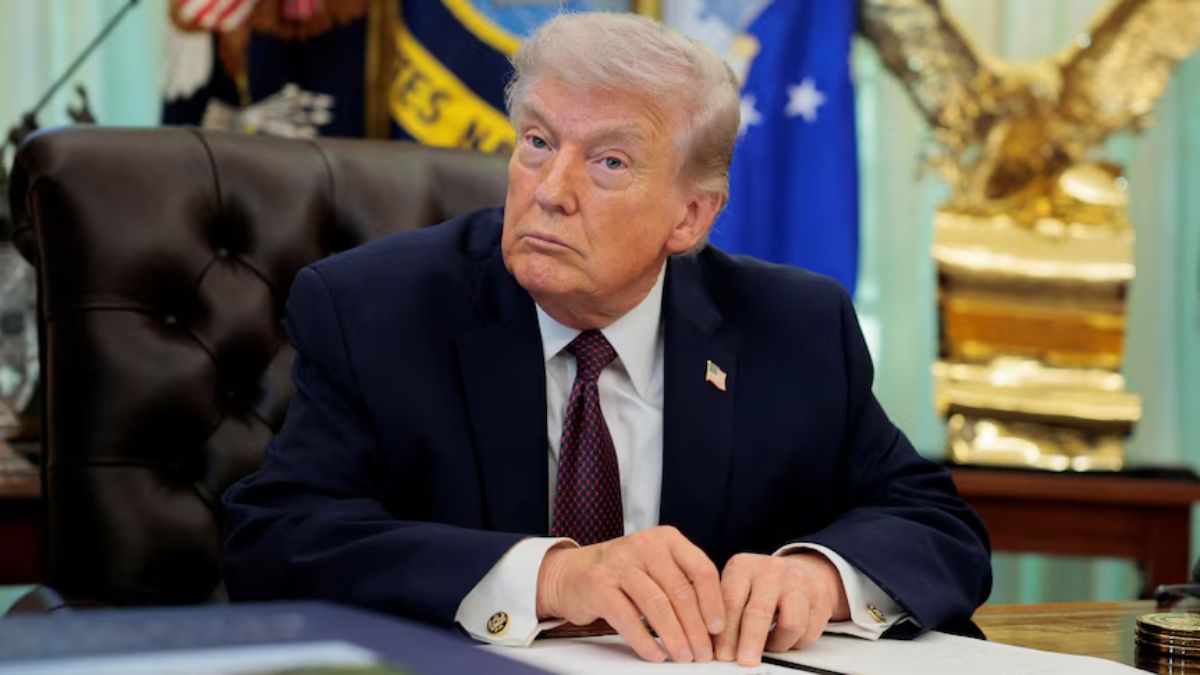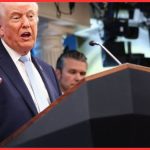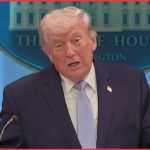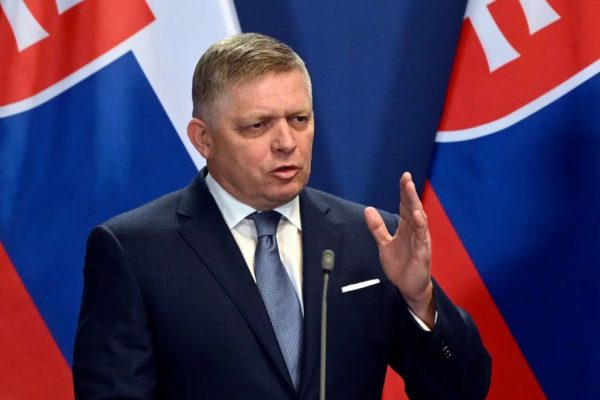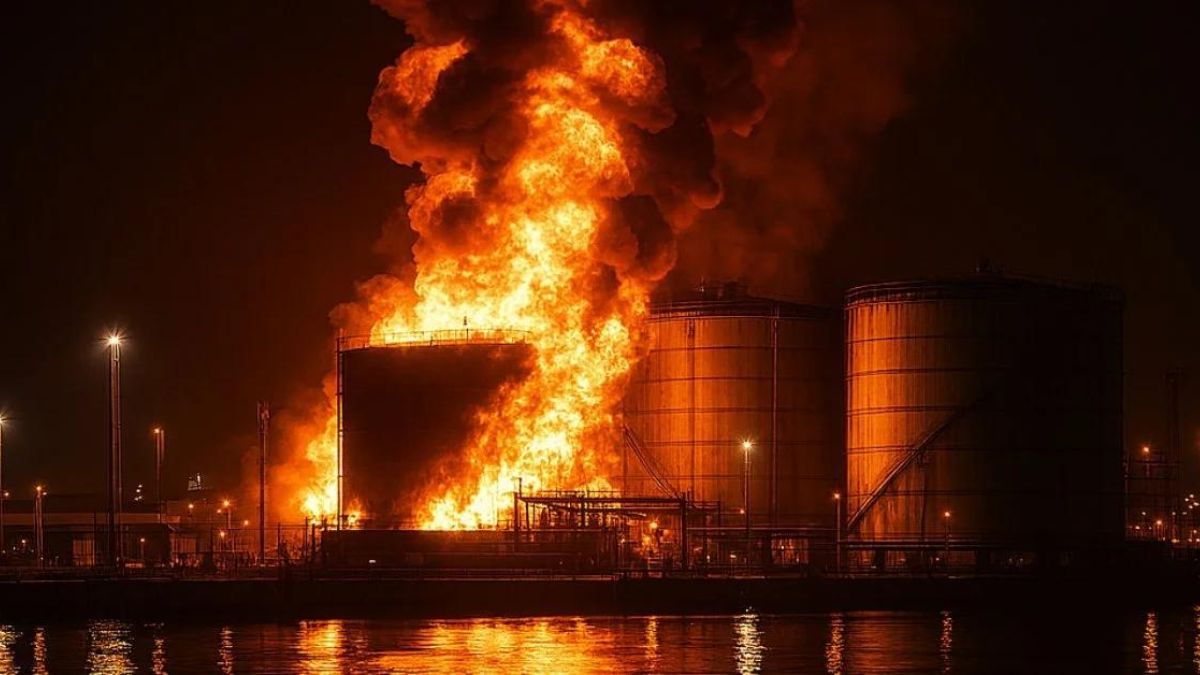
US President Donald Trump has issued a new, explicit ultimatum to Iran, giving Tehran a 48‑hour window to fully reopen the Strait of Hormuz to commercial shipping or face “obliterating” strikes on the country’s power‑plant infrastructure, in what international observers are describing as the most legally and strategically incendiary escalation of the current war phase. The threat, delivered via a Truth Social post late on 21 March 2026, came just one day after Trump had suggested he was considering a relative “winding down” of the US-Israel-led air campaign, creating a jarring reversal in tone that has heightened concerns about the conflict drifting into a broader infrastructure‑warfare front. Trump warned that if Iran fails to open the waterway “without threat” within 48 hours, the United States will “hit and obliterate” various Iranian power plants, “starting with the biggest one first,” effectively pledging to target the country’s core electricity‑generation grid.

From a public international law perspective, the 48‑hour threat intensifies the already fraught legal debate over the scope of “self‑defence” and proportionality in the context of the Iran‑war escalation. The Strait of Hormuz, a critical choke‑point through which about a fifth of global oil and gas flows, is subject to the United Nations Convention on the Law of the Sea, which guarantees “innocent passage” and transit‑passage for vessels, including those engaged in energy‑commerce, as long as they do not pose a threat to the security or sovereignty of the coastal states. By conditioning the survival of Iran’s civilian‑power‑infrastructure on the Strait’s reopening, Trump is effectively framing Iran’s closure or militarisation of the passage as an unlawful blockade warranting “retaliatory” infrastructure attacks on a scale that would likely be categorised under international‑humanitarian‑law as “military objective plus civil impact” strikes, given the inevitable knock‑on effects on water desalination, healthcare, and daily‑life functions. Such a contingency‑based, infrastructure‑linked threat sits uneasily with the UN Charter-based prohibition on the use of force except in self‑defence or under Security Council authorisation, because it couples an unnamed level of force on civilian power facilities to a very specific, time‑sensitive demand over navigation freedoms, rather than to a clearly defined act of armed attack on US or allied territory. Even if the United States attempts to justify the threatened strikes as a necessary and proportional measure to restore lawful shipping rights, the prospect of “obliterating” major power plants immediately raises legal questions about the distinction principle and the prohibition on disproportionate harm to civilian objects, principles codified in the Geneva Conventions and customary law. Moreover, the phrasing of the threat on a social‑media‑style platform—without a traditional UN‑style resolutions and diplomatic channel package undermines the kind of formal multilateral framework that would be required to insulate such a campaign from intense legal challenge in international courts and quasi-judicial bodies.

Strategic‑security and Iran‑war escalation calculus

Strategically, the 48‑hour deadline functions as a forced‑choice mechanism aimed at breaking Iran’s current leverage over global energy markets, which has been amplified by the war‑driven closure of the Strait and the earlier targeting of Gulf energy facilities by both sides. By explicitly tying the Strait’s reopening to the survival of its largest power plant, the United States is attempting to shift the escalation‑risk equation away from purely oil‑tanker‑and‑missile‑fire‑interactions toward a more overt infrastructure-warfare logic, in which Iran must weigh the benefits of maintaining a de facto blockade against the risk of plunging major Iranian cities into darkness, crippling water desalination, and disrupting critical-hospital-and-life-support systems. Iranian officials, including the Kamal-Ebad-Eghbal-linked KACHQ-linked apparatus, have responded with their own retaliatory‑escalation‑threat, warning that any US‑targeting of Iranian energy and desalination facilities would prompt attacks on US and allied infrastructures in the region, a move that would directly threaten Gulf oil-export terminals, air and seaports, and other civilian‑linked energy hubs that global markets already view as vulnerable.For the UK and other European economies, Trump’s 48‑hour ultimatum adds another layer of legal and economic uncertainty to the Iran‑war calculus. The International Energy Agency and G7 foreign ministers have already signalled preparations to release emergency‑stockpiles and take “necessary measures” to stabilise energy supplies, yet the prospect of a full‑scale US‑campaign against Iran’s grid could lock in a prolonged supply shock and push inflation and growth forecasts into a more stagflation‑like zone, particularly if the conflict spreads beyond the Strait into a broader infrastructure war by attrition. At the same time, European‑states that are politically aligned with the United States but legally bound by their own commitments to the UN‑Charter and the Geneva‑law‑framework now face a difficult diplomatic and legal balancing act: whether to tacitly endorse or distance themselves from a threat posture that appears to lower the threshold for attacks on civilian supporting‑infrastructure, and in doing so, whether they are complicit in reshaping the norms of modern warfare in an energy weaponised world.

Political‑law‑message signalling and domestic‑constitutional‑responses

Domestically, the 48‑hour countdown also serves as a stark political‑law‑signal about the Trump administration’s approach to crisis‑management: the use of a self‑imposed deadline, delivered via social media, reflects a style of “law through threat” that bypasses traditional congressional‑war‑powers‑debate and international‑consensus‑building, and instead crowds the decision‑space for Iran’s leadership under an artificial time-frame. Within the US constitutional order, the War‑Powers Resolution and longstanding executive‑prerogative‑debates remain formally relevant, yet the administration’s reliance on social platform statements rather than a structured congressional or UN mechanism weakens the legal accountability pathways that would typically accompany a major infrastructure strike package. Overseas, the UK and other allies must now navigate the legal and political risk of being associated with an escalation that could be characterised by Iran and its partners as an unlawful, disproportionate use of force against civilian supporting energy infrastructure, potentially complicating the UK’s own legal and regulatory position in sanctions law, trade law, and international investment dispute contexts. In effect, Trump’s 48‑hour threat to “obliterate” Iran’s power plants is not merely a military contingency; it is a deliberate legal and political lever pulled in public to test the limits of Iran’s blockade strategy, global‑market‑resilience, and the international community’s tolerance for a new, infrastructure-centric phase of the Iran war.

TOPICS: Donald Trump G7