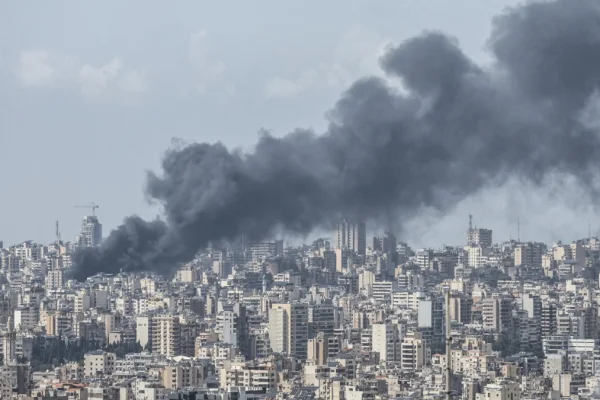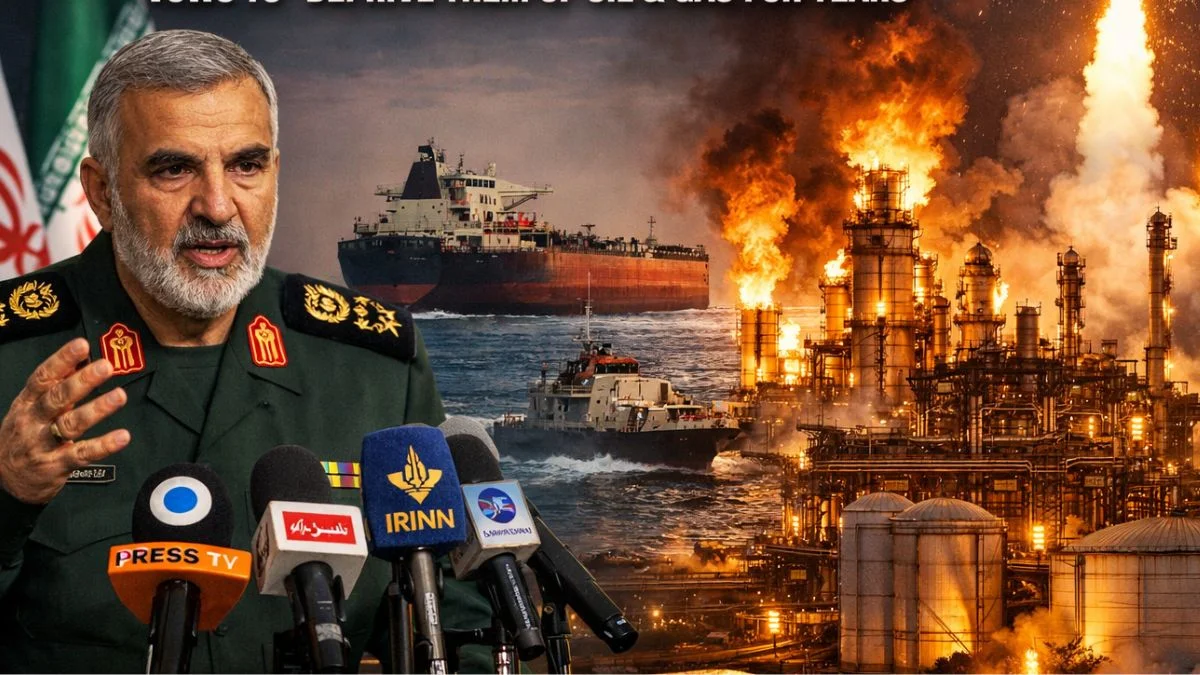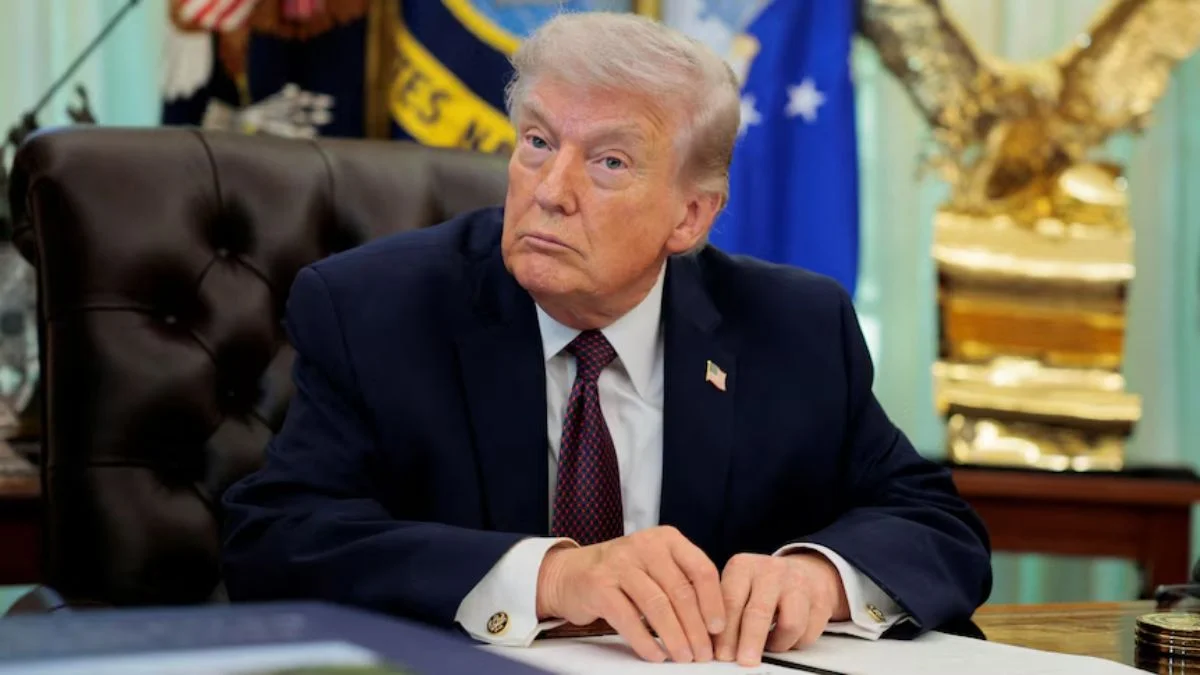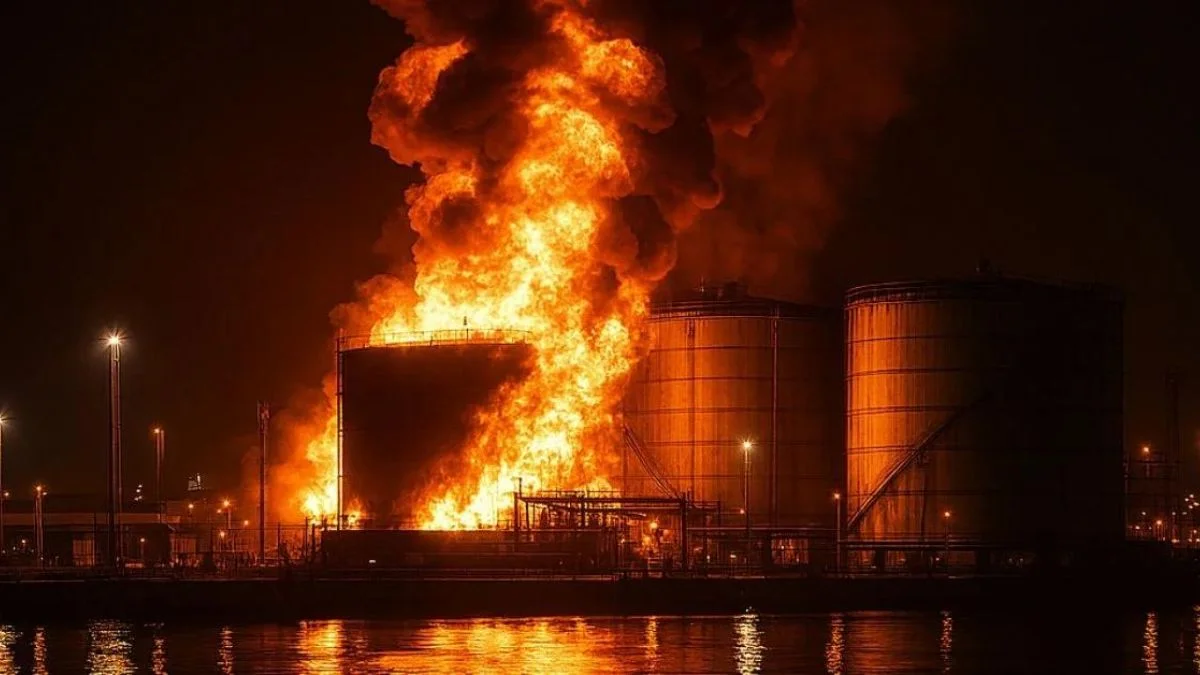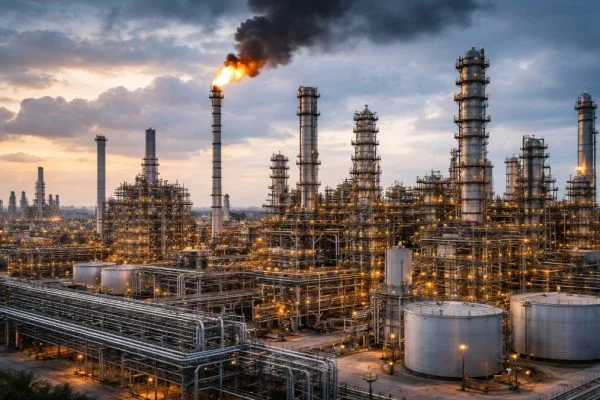
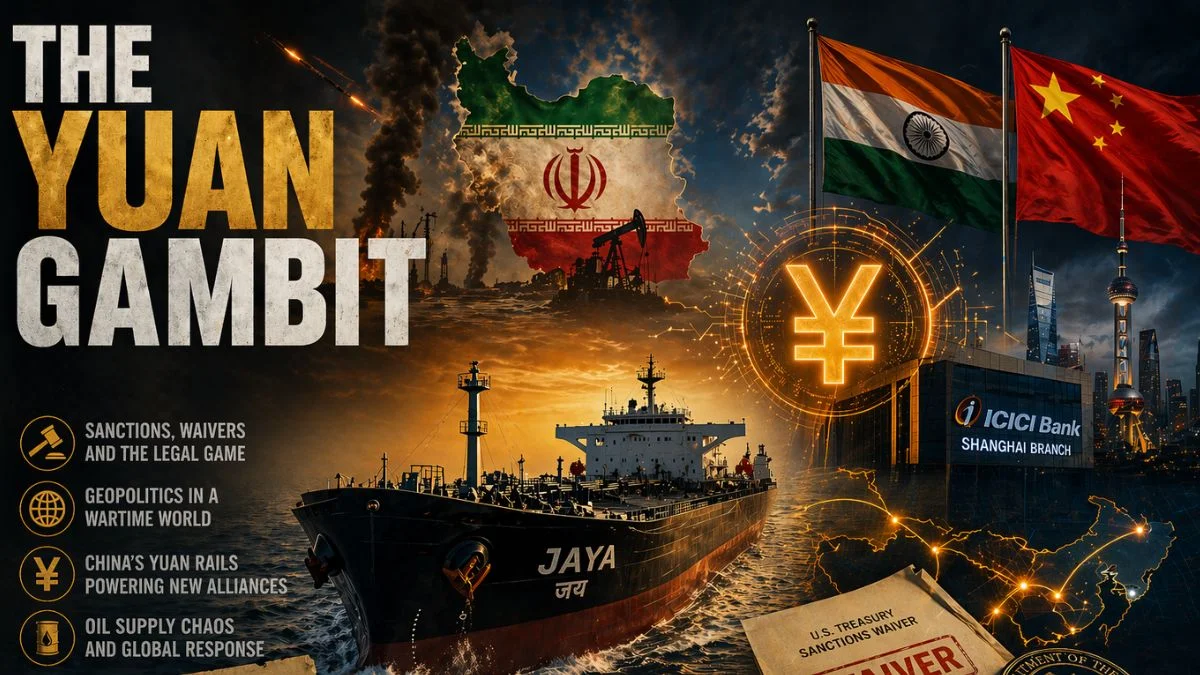
The escalation of hostilities involving strikes on the South Pars gas field and subsequent retaliatory action against energy infrastructure in Qatar has introduced a new and deeply consequential phase in the ongoing confrontation between Israel and Iran. The South Pars field, jointly shared by Iran and Qatar and widely recognised as part of the largest natural gas reservoir in the world, constitutes a critical node in global energy supply chains. Its targeting therefore represents not merely a tactical military development but a strategic escalation with profound implications for international law, energy security and the evolving alignment between the United States and Israel. Against this backdrop, the strongly worded response issued by United States President Donald Trump, including his assertion that Washington was unaware of Israel’s operational planning, provides a revealing window into the legal and geopolitical complexities shaping the trajectory of the conflict.

From the standpoint of international law, the deliberate targeting of energy infrastructure raises immediate questions under the United Nations Charter and the corpus of international humanitarian law. Article 2 of the Charter prohibits the use of force against the territorial integrity or political independence of any state, while Article 51 permits self defence only in response to an armed attack. The legality of Israel’s strike on South Pars would therefore depend on whether it can be justified as a proportionate and necessary act of self defence. However, the targeting of infrastructure that serves both civilian and economic functions complicates this analysis. Natural gas facilities, while potentially linked to state revenue and strategic capacity, are also integral to civilian energy supply and global economic stability. Under the principles of distinction and proportionality embedded in the Geneva Conventions and their Additional Protocols, attacks that risk excessive harm to civilian populations or critical economic systems may be considered legally problematic.

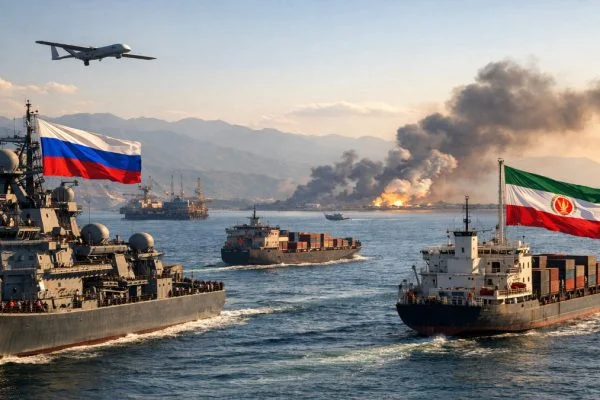
Iran’s retaliatory strike on an energy complex in Qatar further expands the legal and geopolitical dimensions of the crisis. Qatar is not merely a regional actor but one of the world’s leading exporters of liquefied natural gas, supplying energy to markets across Asia and Europe. An attack on its infrastructure introduces the risk of broadening the conflict beyond bilateral hostilities and potentially implicating additional states. Under international law, the extension of hostilities to third party territory raises serious concerns regarding escalation and the violation of sovereignty. It also intensifies scrutiny under the doctrine of collective self defence, as affected states may seek to justify their responses within the framework of Article 51 of the United Nations Charter.

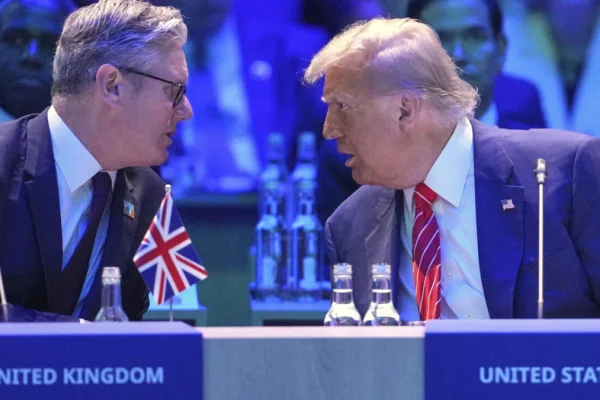
President Trump’s public statements in the aftermath of these developments are particularly significant because they illuminate the strategic ambiguity that often characterises United States involvement in Middle Eastern conflicts. His assertion that he was not aware of Israel’s plans suggests either a genuine lack of coordination or a deliberate attempt to maintain diplomatic distance from specific military actions. In legal terms, this distinction is critical. If the United States is perceived as directly supporting or participating in operations that violate international law, it could face allegations of complicity under the principles of state responsibility. Conversely, a demonstrable lack of prior knowledge may be invoked to argue that Washington is not legally accountable for Israel’s actions.

At the same time, the language employed by the United States president, including renewed threats directed at Iran, raises its own legal implications. Under the United Nations Charter, not only the use of force but also the threat of force is subject to legal scrutiny. Diplomatic rhetoric that signals potential military action can therefore contribute to escalating tensions and may be interpreted as undermining the Charter’s objective of maintaining international peace and security. The combination of denial of prior knowledge and simultaneous escalation in rhetoric reflects a dual strategy in which political messaging and legal positioning operate in parallel.

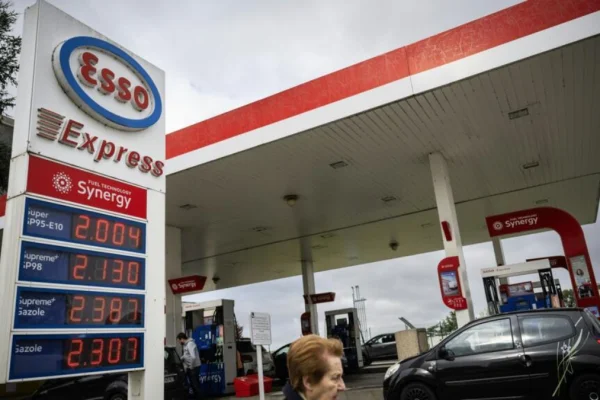
The broader geopolitical implications of the strikes are closely tied to the structure of global energy markets. The South Pars field is central to the production of natural gas that feeds into both regional consumption and international export systems. Disruption to this infrastructure, even if temporary, introduces volatility into global energy prices and creates uncertainty for markets that depend on stable supply. The immediate spike in energy prices following the attacks underscores the sensitivity of global markets to developments in the Persian Gulf. For energy importing economies, particularly in Asia and Europe, such volatility translates into increased costs for industry and households, thereby amplifying the economic impact of the conflict.

The episode also exposes potential divergences in strategic alignment between the United States and Israel. While the two countries maintain a close security partnership, their approaches to risk, escalation and diplomatic engagement may not always be perfectly synchronised. Israel’s willingness to target critical energy infrastructure suggests a strategy aimed at exerting maximum pressure on Iran’s economic capacity, whereas the United States may seek to balance deterrence with the need to prevent a wider regional war that could destabilise global markets and undermine broader strategic interests. President Trump’s public distancing from the specific operation can therefore be interpreted as an attempt to manage this divergence while preserving the overall alliance framework.

Ultimately the events surrounding the South Pars strikes and the subsequent exchange of rhetoric illustrate the increasingly complex interplay between military strategy, legal norms and global economic stability. The targeting of energy infrastructure introduces risks that extend far beyond the immediate parties to the conflict, affecting international markets and raising fundamental questions about the application of international law in contemporary warfare. At the same time, the statements issued by political leaders reveal the intricate balance between signalling resolve, maintaining alliances and navigating the legal constraints that govern the use of force. As the conflict continues to evolve, the interaction between these factors will play a decisive role in shaping both the regional security environment and the credibility of the international legal order.