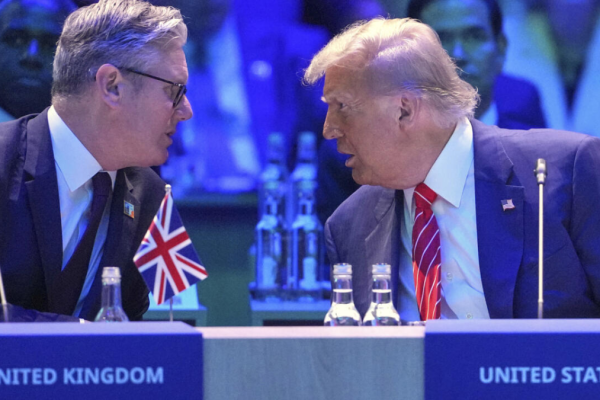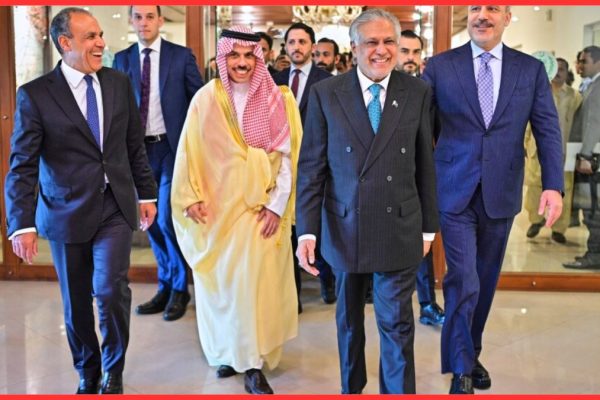
In a moment that reveals as much about the United Kingdom’s structural dependencies as it does about its diplomatic posture, Keir Starmer has reaffirmed Britain’s unwavering alignment with Qatar and its Gulf allies, signalling a continuity of strategic thinking that transcends domestic political cycles but raises serious questions about resilience, autonomy, and long term geopolitical positioning. During a direct exchange with Sheikh Tamim bin Hamad Al Thani, Starmer’s assertion that the United Kingdom will continue to stand with Qatar and all its allies in the Gulf was not merely diplomatic courtesy but a calculated reaffirmation of an interdependent relationship that is increasingly being stress tested by regional volatility and global economic tremors.
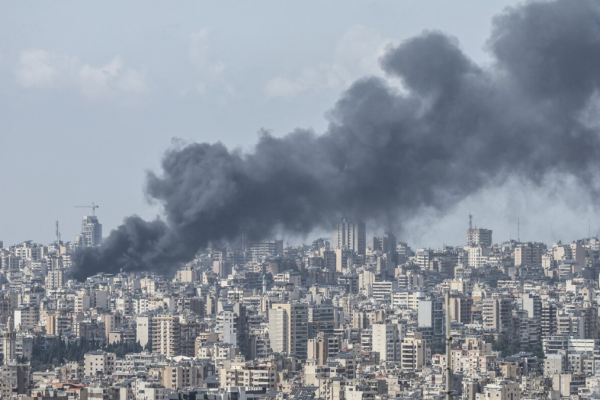
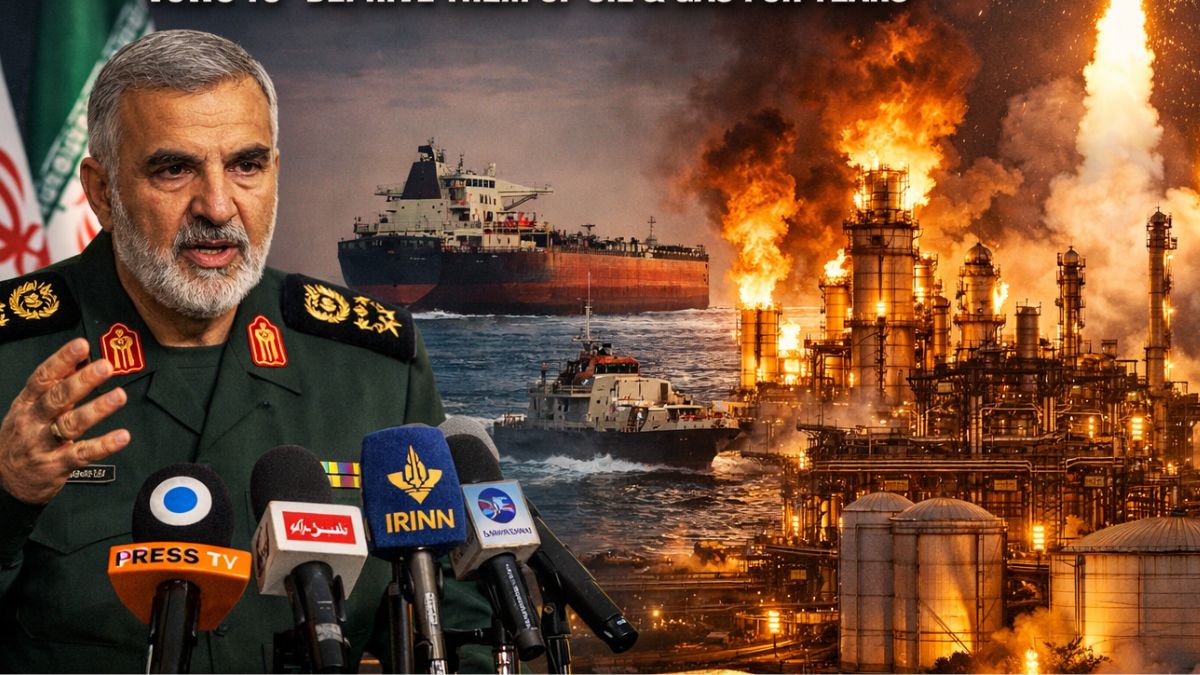
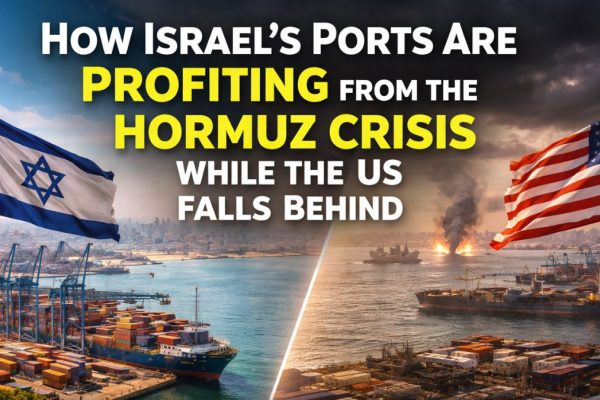
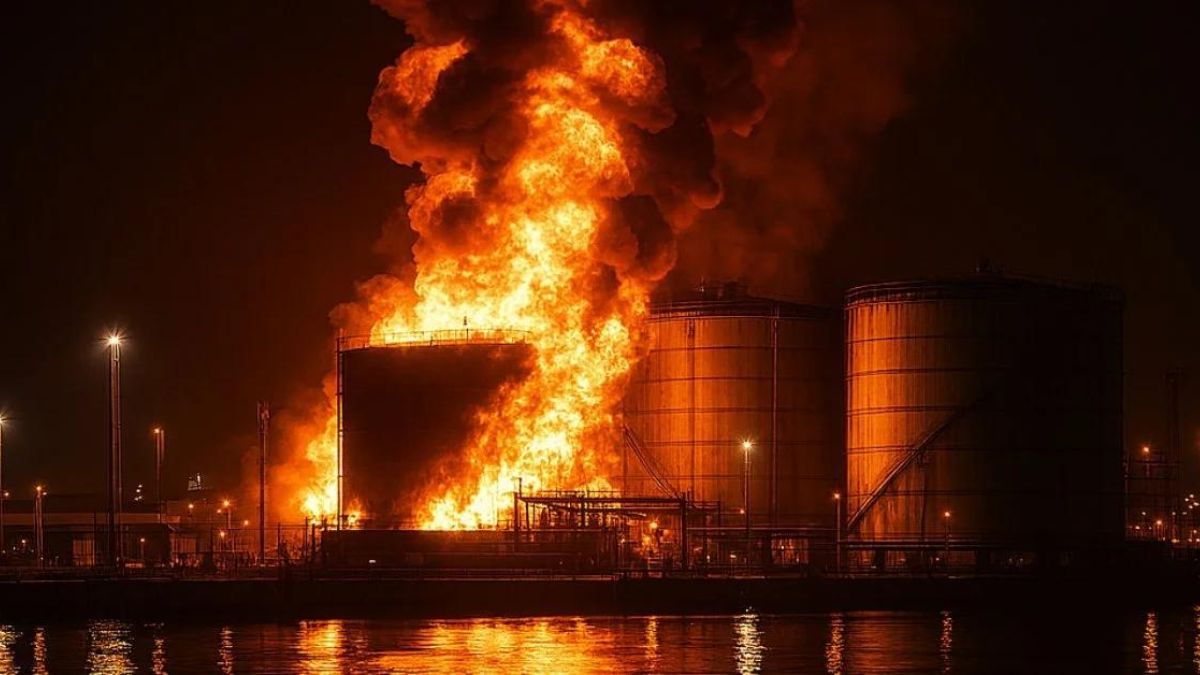
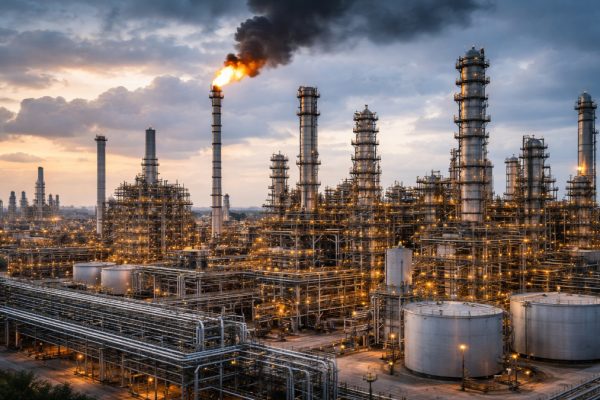
The Prime Minister’s warning that reckless attacks on critical infrastructure risk pushing the region further into crisis carries a layered significance that extends beyond immediate security concerns. It reflects an acute awareness within Whitehall that disruptions in the Gulf do not remain regionally contained but reverberate across global supply chains, energy markets, and financial systems. For the United Kingdom, these risks are neither theoretical nor distant. They are embedded in its energy matrix, its investment flows, and its broader economic stability. The implicit acknowledgement here is stark. Britain’s exposure to Gulf instability is not optional but structural.
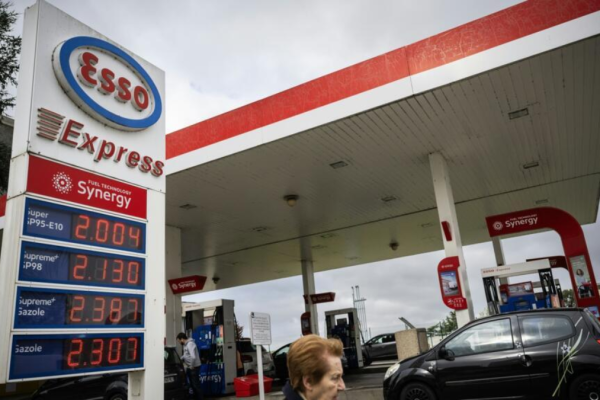
At the core of this relationship lies a deeply entrenched energy dependency. Qatar’s role as a leading supplier of liquefied natural gas to the United Kingdom is not a marginal component of the energy mix but a central pillar, accounting for a significant proportion of national gas imports. In an era where energy security has re emerged as a defining axis of geopolitical power, this reliance constrains Britain’s strategic flexibility. The rhetoric of partnership masks an asymmetry that is rarely addressed in public discourse. While the United Kingdom positions itself as a global diplomatic actor, its energy vulnerability ties it closely to the stability and policy orientations of Gulf producers, particularly Qatar.
This dependency is compounded by extensive economic entanglements. Qatari investment in the United Kingdom spans critical sectors including real estate, infrastructure, and financial services, embedding Gulf capital deeply within the British economic architecture. Bilateral trade, valued in the billions annually, reinforces a mutual reliance that is often presented as a success story of globalisation but in practice creates a network of obligations and sensitivities that shape policy decisions. The strategic calculus is therefore not limited to diplomacy or defence but extends into the fabric of the domestic economy.
Defence cooperation further cements this alignment, with the establishment of joint military capabilities marking one of the most significant developments in bilateral relations in decades. The creation of a joint air squadron, the first of its kind since the Second World War, alongside Qatar’s acquisition of advanced Typhoon fighter aircraft, illustrates a level of military integration that goes beyond symbolic partnership. It reflects a convergence of security interests and operational coordination that positions both nations within a shared defence framework. This arrangement, while enhancing interoperability, also binds the United Kingdom more closely to the security dynamics of the Gulf, limiting its ability to maintain strategic distance in times of regional escalation.
The historical dimension of this relationship cannot be overlooked. Britain’s role as a protectorate power in Qatar until 1971 laid the foundation for contemporary diplomatic ties, with formal relations established well before Qatar’s full independence. This legacy continues to shape perceptions and expectations on both sides, informing a relationship that is at once modern and historically rooted. However, the persistence of this dynamic raises critical questions about whether the United Kingdom has sufficiently recalibrated its approach to reflect the transformed geopolitical landscape of the twenty first century.
Starmer’s engagement with the Qatari leadership also underscores the importance of Doha’s role as a mediator in regional conflicts, a function that has elevated Qatar’s diplomatic profile in recent years. The United Kingdom’s recognition of these efforts aligns with its broader objective of promoting regional stability, yet it also highlights a reliance on intermediary actors to manage crises that directly affect British interests. This reliance, while pragmatic, suggests a limitation in Britain’s capacity to independently influence outcomes in a region that remains vital to its economic and strategic wellbeing.
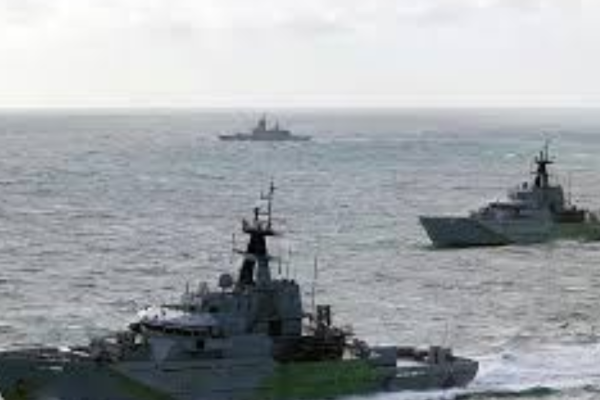
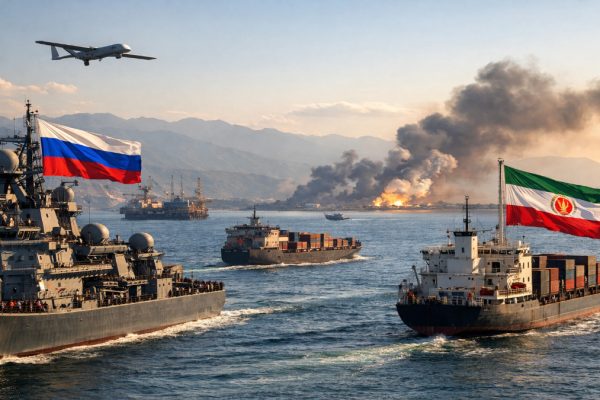
The reference to Iranian actions affecting regional stability introduces an additional layer of complexity. The Gulf remains a theatre of persistent tension, where infrastructure vulnerability, maritime security, and proxy conflicts intersect. For the United Kingdom, navigating this environment requires a delicate balance between alliance commitments and the need to avoid entanglement in escalating confrontations. Starmer’s language reflects this tension, combining firm support for allies with cautionary notes about the consequences of destabilisation.
What emerges from this episode is a portrait of a nation attempting to project stability and continuity while grappling with underlying vulnerabilities. The United Kingdom’s commitment to Qatar and the broader Gulf alliance network is not simply a matter of diplomatic preference but a necessity shaped by energy needs, economic integration, and security considerations. However, this necessity comes at a cost. It constrains policy autonomy, exposes the country to external shocks, and ties its fortunes to a region characterised by volatility.
For seasoned observers of international relations, the implications are clear. Britain’s Gulf strategy, while coherent in its objectives, remains reactive in its execution. It responds to immediate pressures without fully addressing the structural dependencies that define its position. Starmer’s reaffirmation of support for Qatar is therefore both a statement of intent and an admission of reality. The United Kingdom stands with its allies not solely out of choice but because the architecture of its economic and strategic systems leaves it with little alternative.
As global energy transitions accelerate and geopolitical fault lines deepen, the sustainability of this model will come under increasing scrutiny. The question is not whether the United Kingdom should maintain strong relations with Qatar but whether it can do so while reducing its exposure to the very risks it now warns against. Until that balance is achieved, declarations of solidarity will continue to carry an undertone of compulsion, revealing a power navigating the limits of its own strategic independence.