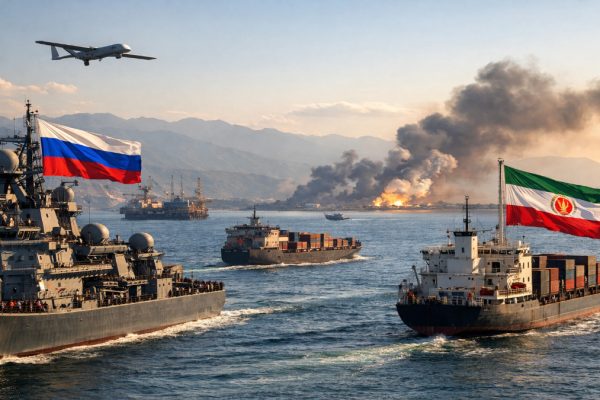
In a moment that underscores the fragility of the global maritime order, the International Maritime Organization has issued an urgent and unusually forceful call for the establishment of a safe maritime corridor in the Persian Gulf, following emergency deliberations in London prompted by the intensifying Middle East conflict. This intervention is not merely procedural. It is a stark admission that one of the world’s most critical commercial arteries is now operating under conditions approaching systemic breakdown, where the principles of navigational freedom, safety of life at sea, and neutral commercial passage are no longer reliably guaranteed.

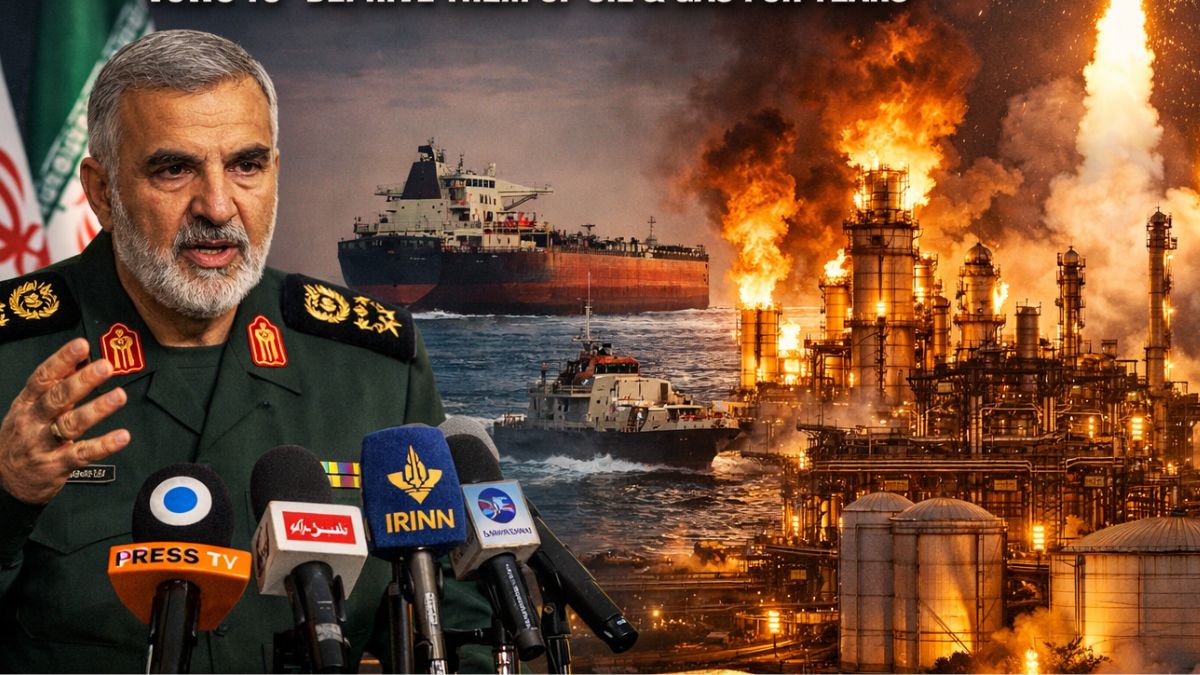
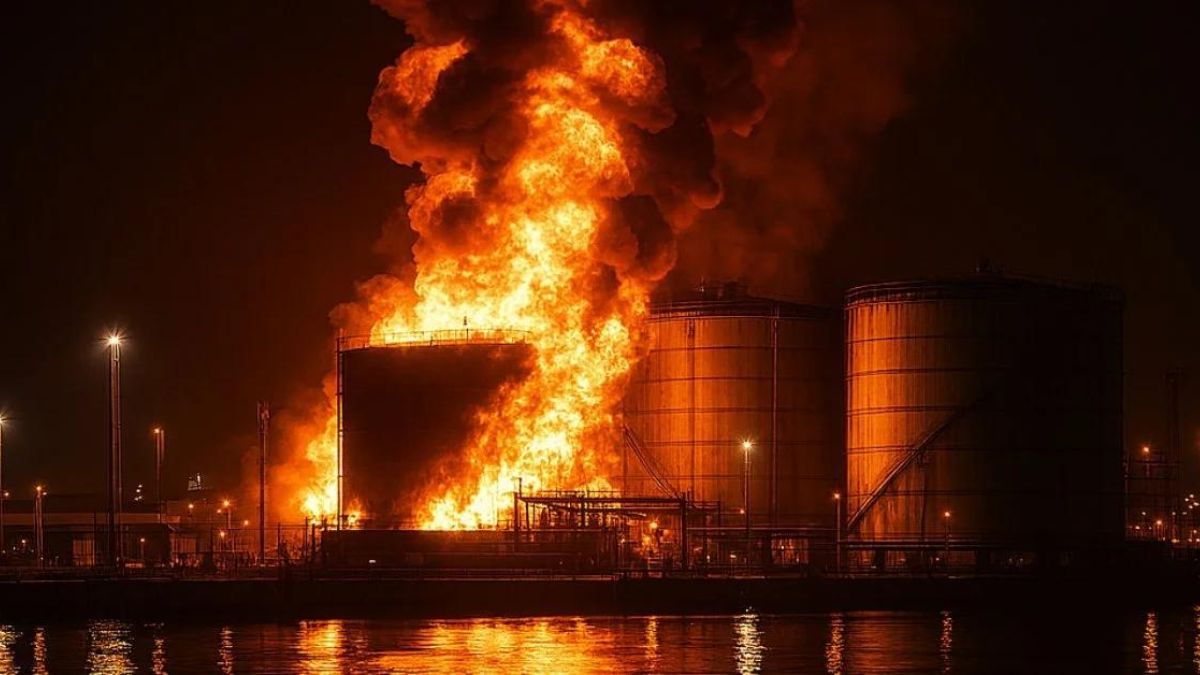
The call for a protected shipping corridor comes against the backdrop of mounting attacks attributed to Iran, which the organisation has explicitly condemned. Such language is rare for a technical body whose mandate traditionally avoids overt political positioning. That the agency has chosen to speak with such clarity signals the severity of the disruption. The situation has evidently crossed a threshold where silence would amount to complicity in the erosion of the international legal order governing maritime conduct.

At the core of this unfolding crisis lies a collision between established legal frameworks and emerging patterns of state behaviour that challenge them. The law of the sea, anchored in customary international law and codified through conventions such as the United Nations Convention on the Law of the Sea, is predicated on the assumption that even in times of geopolitical tension, certain norms remain inviolable. Chief among these is the principle of innocent passage and the obligation to ensure the safety of civilian maritime traffic. What is now being witnessed in the Gulf is a systematic undermining of these assumptions, where commercial vessels and civilian seafarers are increasingly exposed to kinetic and asymmetric threats.

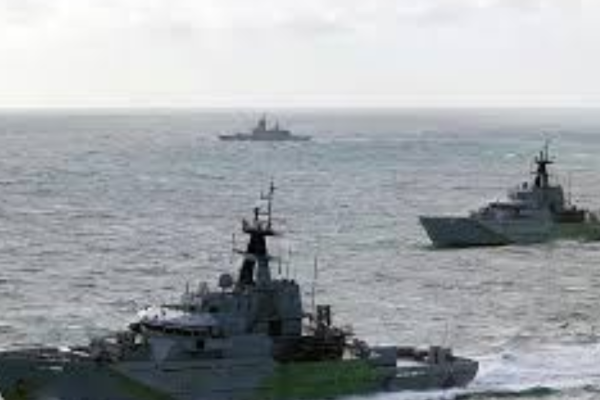
The proposal for a safe maritime corridor is therefore both pragmatic and revealing. It reflects an attempt to impose a temporary operational solution in an environment where legal enforcement mechanisms are proving insufficient. The corridor is envisaged as a provisional pathway that would allow merchant vessels to exit high risk zones under conditions of enhanced security coordination. Yet its very necessity highlights a deeper failure. The international community is being compelled to revert to ad hoc protective arrangements reminiscent of wartime convoy systems, an approach that sits uneasily within the framework of peacetime commercial navigation.

From an international relations perspective, the implications are profound. The Gulf is not merely a regional waterway. It is a strategic chokepoint through which a substantial proportion of the world’s energy supplies transit. Any sustained disruption carries immediate consequences for global markets, insurance premiums, and supply chain stability. The emergence of a corridor system introduces a tiered geography of maritime risk, effectively redrawing the map of safe and unsafe waters in real time. This has the potential to fragment the universality of maritime law, replacing it with a patchwork of security arrangements driven by geopolitical alignments.

Equally significant is the question of enforcement. The International Maritime Organization does not possess coercive authority. Its recommendations rely on the voluntary compliance of member states and the operational cooperation of naval forces capable of providing security guarantees. The success of any corridor will therefore depend on the willingness of regional and extra regional powers to coordinate patrols, share intelligence, and potentially assume the risks associated with escorting commercial traffic through contested waters. This introduces a further layer of complexity, as such involvement may itself be perceived as escalatory by actors already engaged in confrontation.

The humanitarian dimension must not be overlooked. The reference to stranded seafarers is a reminder that beyond the abstractions of law and strategy lie thousands of individuals whose safety is directly imperilled. Seafarers often operate under flags of convenience and within complex contractual frameworks that leave them vulnerable in crisis situations. The establishment of a corridor is as much about safeguarding human life as it is about preserving trade flows. Failure to act decisively would not only disrupt commerce but also expose the international community to accusations of neglecting its duty of care towards those who sustain global shipping.

Critically, the present crisis exposes structural weaknesses in the governance of maritime security. While naval coalitions and regional security initiatives exist, their mandates are often fragmented and reactive. The absence of a coherent, universally accepted mechanism for protecting commercial shipping in high risk zones has created a vacuum that is now being filled through emergency measures. The International Maritime Organization’s intervention, while necessary, is ultimately a symptom of this broader institutional deficit.

There is also a reputational dimension that cannot be ignored. For Iran, the condemnation issued by a United Nations agency carries significant diplomatic weight. It reinforces narratives of non compliance with international norms and risks further isolation at a time when regional tensions are already acute. For the international system as a whole, the episode raises uncomfortable questions about the resilience of legal frameworks in the face of determined state action. If core principles such as safe passage can be so readily compromised, the credibility of the rules based order itself comes into question.

In assessing the path forward, it is clear that a safe maritime corridor, while essential in the immediate term, cannot serve as a substitute for durable solutions. What is required is a recalibration of both legal and security architectures to address the realities of contemporary maritime conflict. This includes strengthening mechanisms for accountability, enhancing coordination among naval forces, and reaffirming the centrality of established norms through collective diplomatic pressure.

The Gulf crisis is therefore not an isolated incident but a stress test for the entire edifice of international maritime governance. The response of the International Maritime Organization, though measured, reflects an acute awareness of the stakes involved. Whether the proposed corridor can stabilise the situation will depend on factors that extend far beyond technical implementation. It will hinge on political will, strategic restraint, and a renewed commitment to the principles that underpin the freedom and safety of the seas.