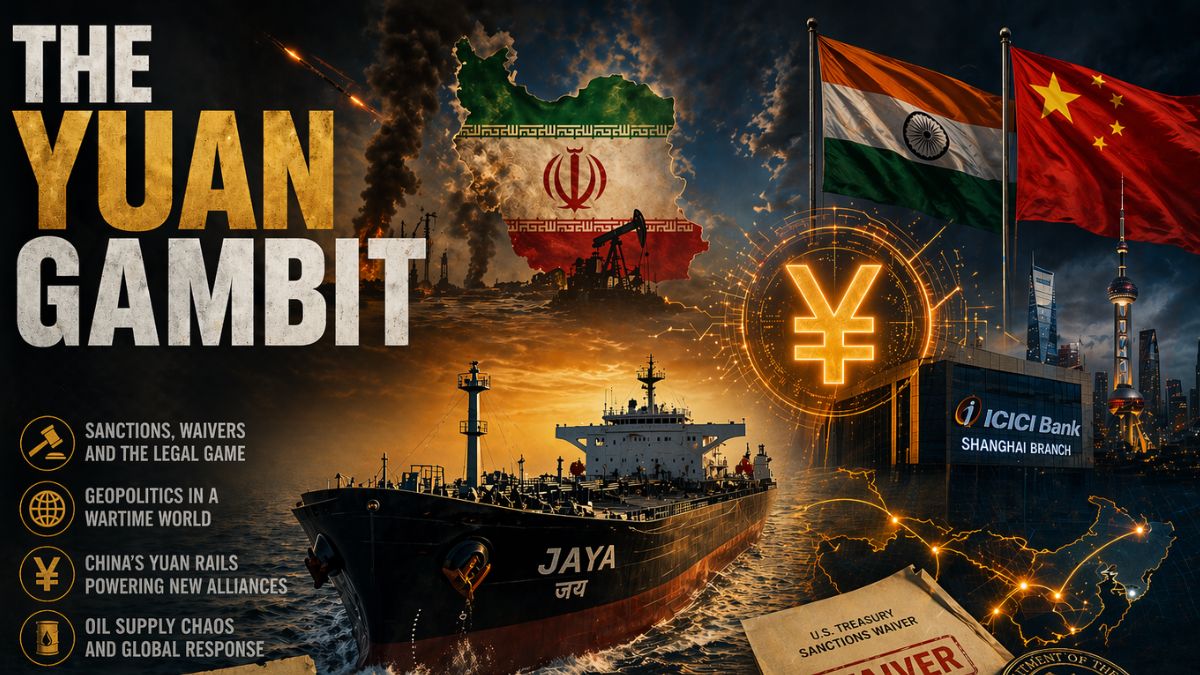
A renewed request for substantial military funding by Pete Hegseth has intensified debate in Washington as the ongoing conflict involving Iran places increasing strain on both fiscal policy and global energy markets. The appeal to the United States Congress comes at a moment when domestic economic pressures are mounting, with fuel prices approaching four dollars per gallon and global oil markets reacting sharply to military developments involving Israel and Iranian energy infrastructure. The convergence of military escalation and economic disruption underscores the complex interplay between defence policy, constitutional authority and international energy law. From a legal and international relations perspective, the situation represents a multifaceted challenge involving the allocation of war powers, the legality of military operations and the governance of global energy supply chains.
Constitutional control of military funding and war powers
The request for additional funding highlights the central role of Congress in authorising military expenditure under the framework established by the United States Constitution. Article one grants Congress the authority to raise and support armed forces, while the executive branch, led by the president, exercises operational command as commander in chief. This division of powers is designed to ensure that decisions involving prolonged military engagement are subject to democratic oversight. Requests for additional funding, therefore, require legislative approval, often accompanied by debate regarding the objectives, scope and legality of the conflict. The need for further appropriations may also prompt scrutiny of whether the existing legal basis for the conflict remains sufficient or whether additional authorisation is required. Such debates are central to maintaining constitutional accountability in the conduct of war.
Legal justification of ongoing military operations
The continuation of military operations against Iran must be evaluated within the framework of the United Nations Charter. As with all interstate conflicts, the use of force must be justified under recognised legal doctrines such as self-defence. The requirement of necessity and proportionality remains critical in assessing whether ongoing operations are lawful. As the conflict expands and financial costs increase, the justification for continued military engagement may face heightened scrutiny from both domestic and international observers. The linkage between funding requests and legal justification is therefore significant, as sustained financial commitment often reflects an intention to prolong military operations.
Impact of military escalation on global energy markets
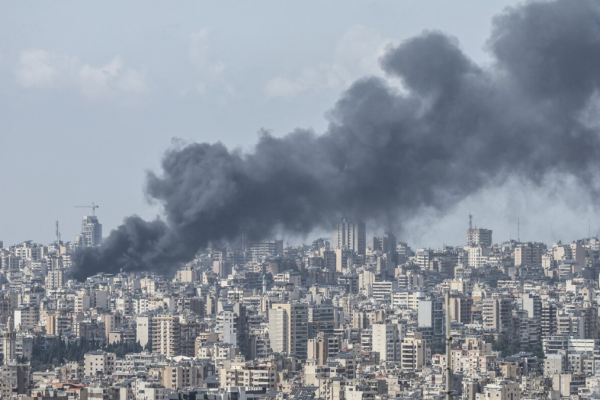
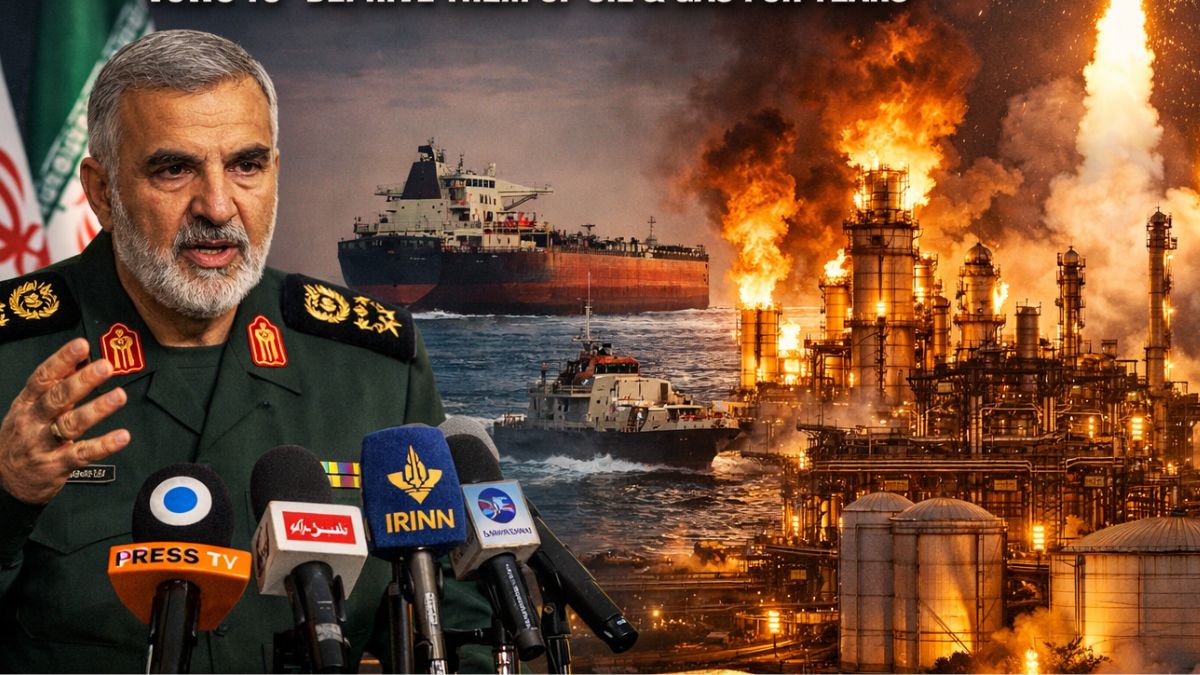
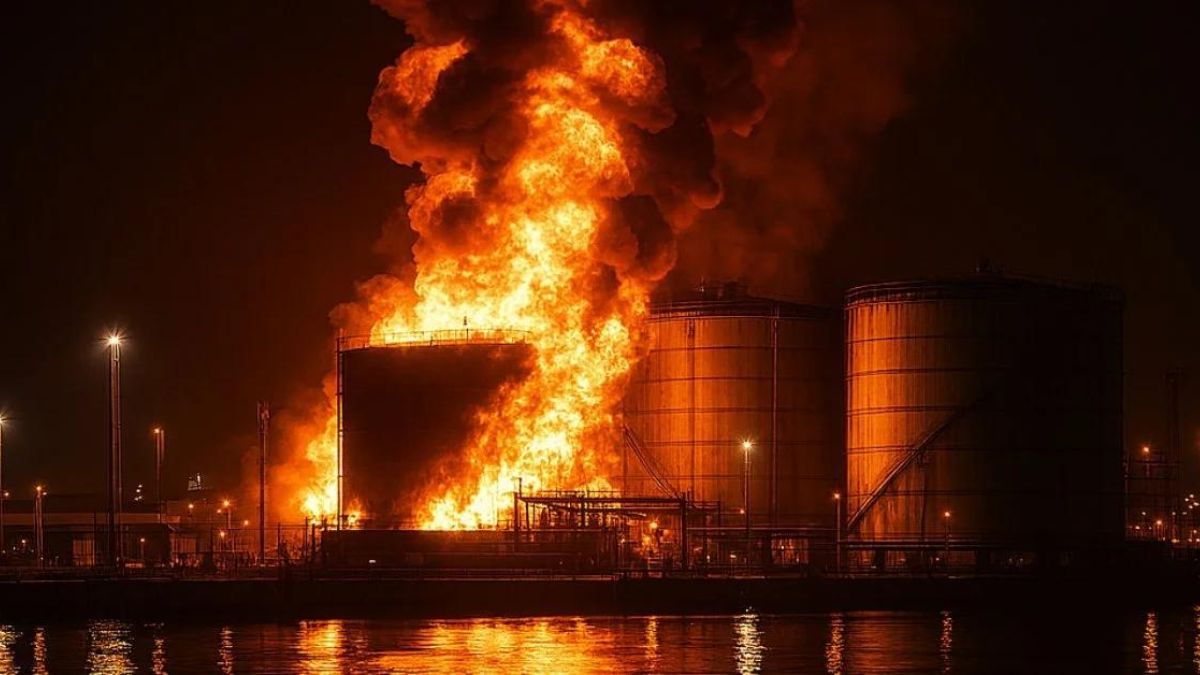
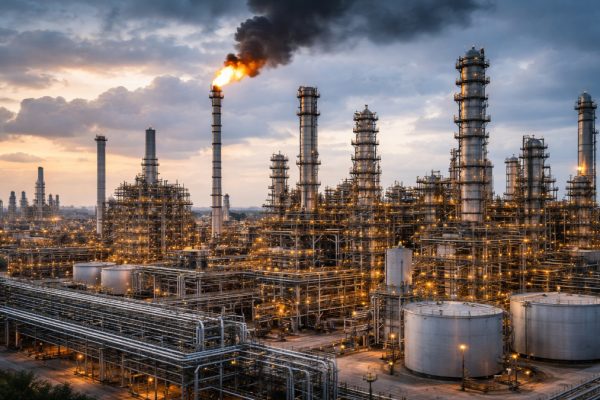
The reported attack on Iranian energy infrastructure has contributed to a surge in global oil prices, illustrating the sensitivity of energy markets to geopolitical developments. Iran occupies a strategically significant position within the global energy system, and disruptions to its production or export capacity can have immediate consequences for supply. The increase in fuel prices within the United States reflects this interconnected system, where local markets respond rapidly to changes in global supply conditions. The economic impact of rising fuel costs extends beyond consumers, affecting industries reliant on transportation and energy inputs. From a legal perspective, the targeting of energy infrastructure raises questions under international humanitarian law, particularly regarding the classification of such facilities as military objectives.
Targeting energy infrastructure and international humanitarian law
Under the Geneva Conventions, attacks must be directed at legitimate military objectives and must comply with the principles of distinction and proportionality. Energy facilities may be considered lawful targets if they make an effective contribution to military operations and their destruction provides a definite military advantage. However, such targets often have dual-use characteristics, serving both civilian and military functions. Attacks on these facilities, therefore, require careful legal assessment to ensure that incidental harm to civilian populations is not excessive in relation to the anticipated military benefit. The strike on a critical gas field raises complex questions about whether the legal criteria for targeting were satisfied and how the resulting economic impact should be evaluated within the framework of proportionality.
Economic consequences and regulatory considerations
The rise in gasoline prices to nearly four dollars per gallon has significant domestic implications for economic policy and regulatory oversight. Federal agencies may monitor pricing behaviour to ensure that market participants are not engaging in unlawful practices such as price manipulation. At the same time, policymakers may consider measures to stabilise energy markets, including the potential release of strategic reserves or adjustments to regulatory frameworks affecting production and distribution. The interaction between military conflict and domestic economic policy highlights the interconnected nature of modern governance, where decisions in one domain can produce cascading effects across multiple sectors.
Strategic and diplomatic implications of funding escalation
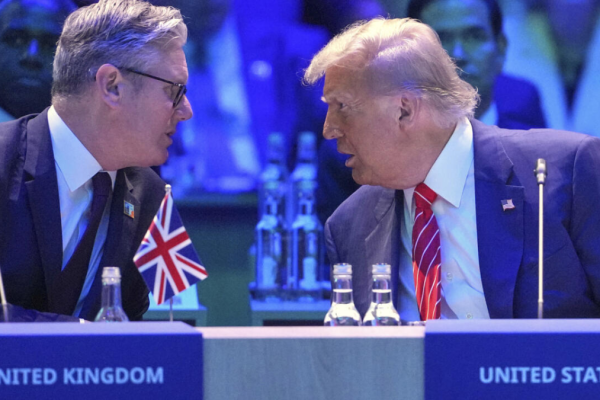
The request for additional military funding also carries implications for international diplomacy. Allies and adversaries alike will interpret increased financial commitment as an indication of long-term strategic intent. Such signals can influence diplomatic negotiations, alliance dynamics and the behaviour of other states involved in the conflict. The perception of sustained military engagement may either deter adversaries or encourage escalation, depending on the broader strategic context. The role of Congress in approving or rejecting funding requests, therefore, extends beyond domestic governance and into the realm of international signalling.
Balancing legal authority, economic stability and strategic objectives
The current situation illustrates the difficulty of balancing multiple competing priorities within the framework of law and policy. Military operations require legal justification and financial support, while economic stability depends on the management of energy markets and consumer costs. Ensuring that these elements remain aligned is a central challenge for policymakers. Decisions regarding funding, targeting and strategic objectives must be evaluated not only for their immediate impact but also for their long-term legal and economic consequences. The interplay between constitutional authority, international law and market dynamics will continue to shape the trajectory of the conflict.
Conclusion: the convergence of war finance, legal norms and global energy security
The Pentagon’s request for additional funding amid rising fuel prices and escalating conflict highlights the complex relationship between military policy and economic reality. As the United States navigates this multifaceted challenge, the importance of adhering to legal principles while addressing strategic and economic imperatives remains paramount. The situation underscores the need for a coherent policy that integrates constitutional oversight, compliance with international law and effective management of global energy risks. The outcome will have lasting implications not only for the conflict with Iran but also for the broader framework of international governance in an era of interconnected crises