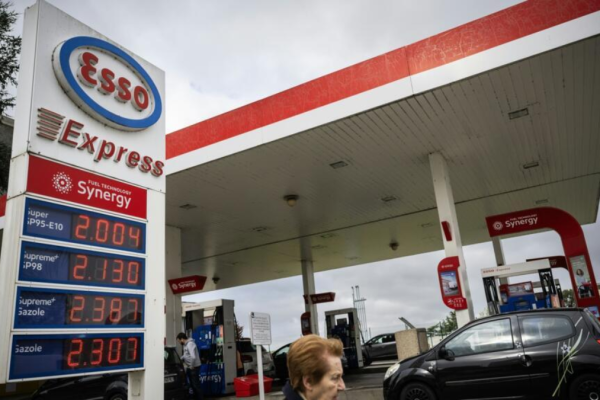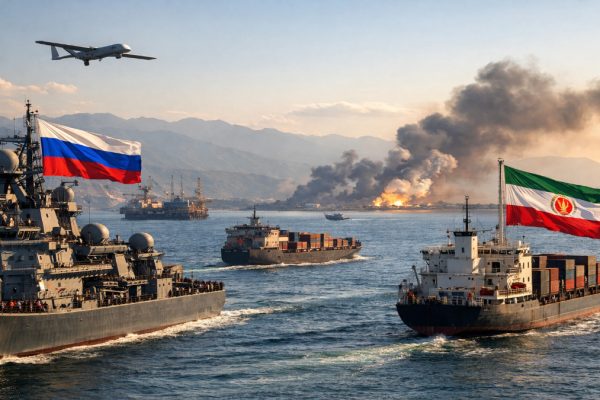
In what marks a decisive and dangerous turning point in the ongoing Middle East conflict, Iran has launched a sweeping wave of missile and drone attacks targeting critical energy infrastructure across the Gulf region. The strikes come in direct retaliation to earlier attacks by Israel on Iran’s key gas installations, escalating the conflict from a primarily military confrontation into a full scale energy war with global repercussions. The immediate market response has been severe. Benchmark Brent crude surged beyond 119 dollars per barrel, while European gas prices spiked by 25 percent, reflecting deepening fears that the conflict is now directly threatening the structural stability of global energy supply chains.

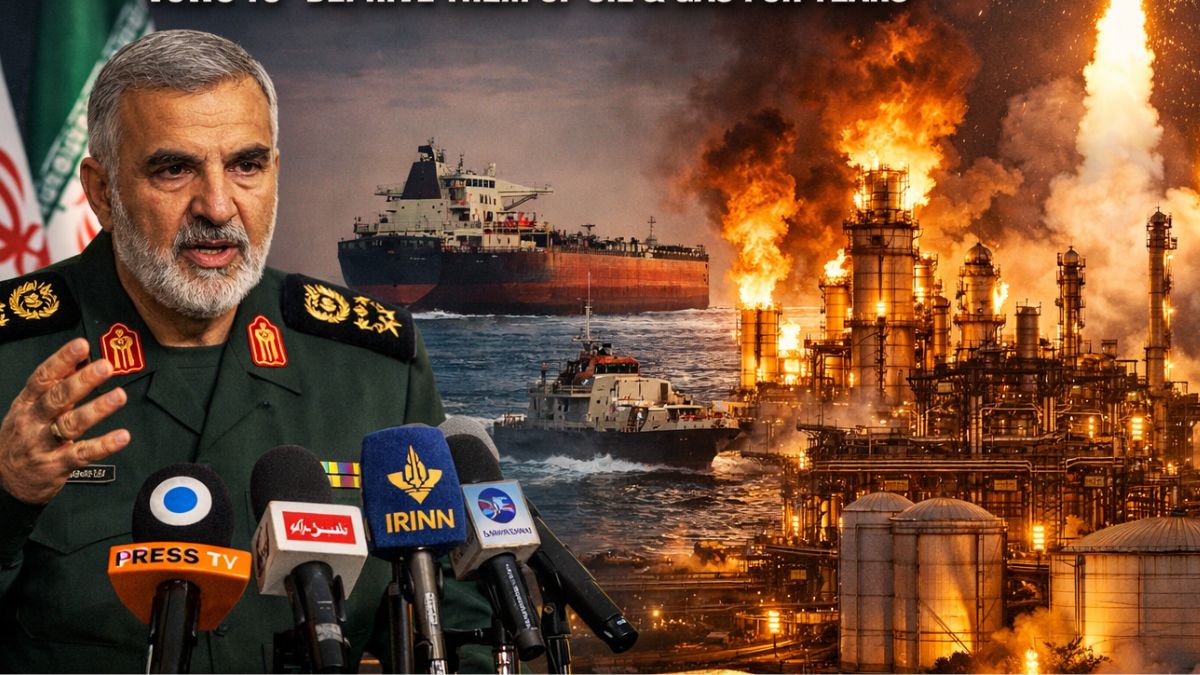
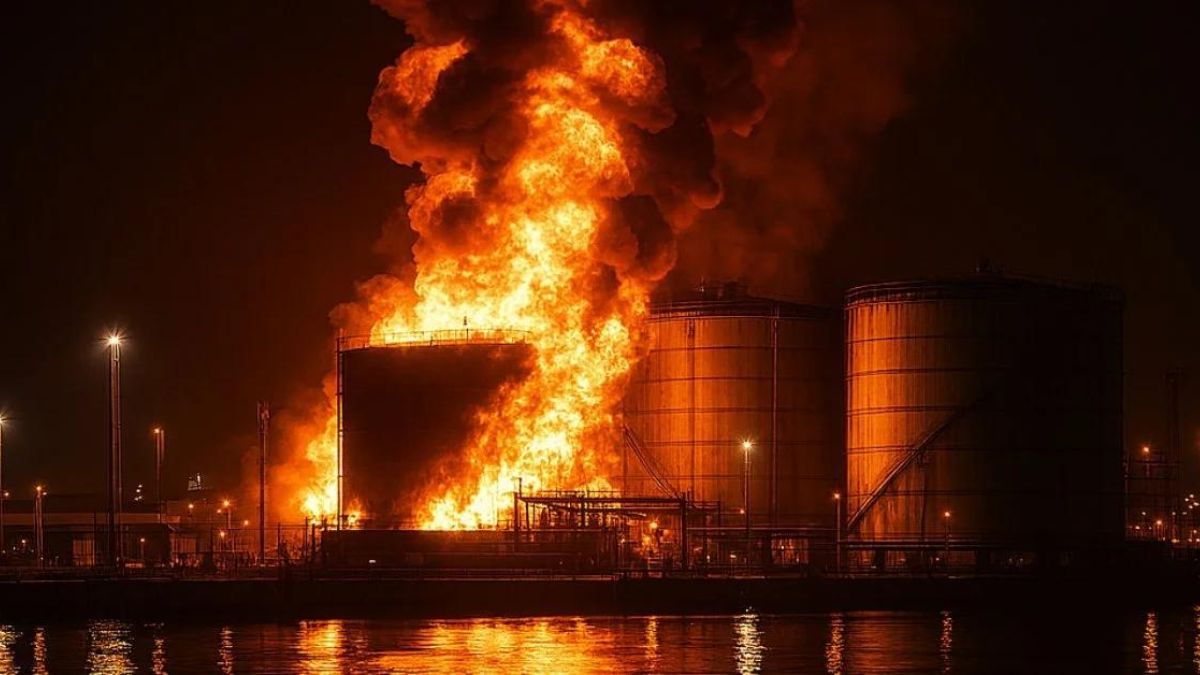
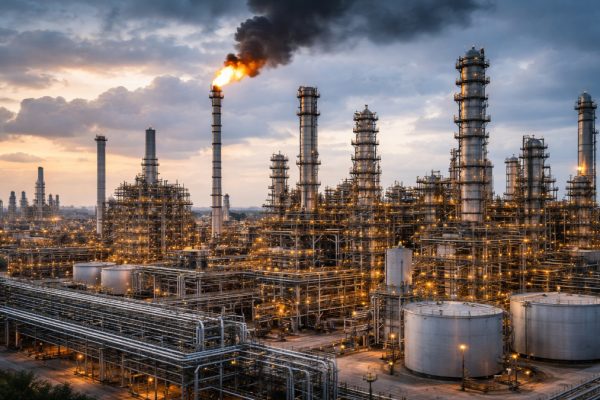
The latest strikes signal a fundamental shift in the nature of the conflict. No longer confined to military targets, the confrontation has expanded into the economic backbone of the global energy system. By targeting production, processing and export infrastructure, Iran has effectively widened the battlefield to include the world’s most critical oil and gas corridors. Among the most significant targets was the Ras Laffan industrial complex in Qatar, home to the world’s largest liquefied natural gas processing facilities. Operated by QatarEnergy, the site sustained what officials described as “extensive damage” following Iranian missile strikes. Although fires were brought under control without reported casualties, the scale of the disruption raises serious concerns about prolonged supply constraints. Simultaneously, energy infrastructure across Saudi Arabia came under attack. A drone incident at the SAMREF refinery, a joint venture involving Saudi Aramco and ExxonMobil, is currently under assessment, while a ballistic missile aimed at the strategic Red Sea port of Yanbu was intercepted. Oil loading operations at Yanbu were briefly halted, highlighting the vulnerability of even heavily defended export routes.

The scale of the offensive extended well beyond a single theatre. In Kuwait, drone strikes triggered fires at the Mina al Ahmadi and Mina Abdullah refineries, two of the country’s most important refining hubs. Meanwhile, the United Arab Emirates was forced to shut down gas facilities at Habshan after intercepting incoming missiles, with debris causing operational disruptions at both gas processing and oil field sites. Collectively, these attacks represent a coordinated attempt to disrupt the integrated energy network of the Gulf. Each targeted facility plays a critical role in global supply chains, from upstream production to downstream refining and export logistics. The cumulative effect is not merely regional instability, but systemic risk to international energy markets.

At the core of this escalation lies the South Pars gas field, the world’s largest natural gas reserve shared between Iran and Qatar. Israeli strikes on Iran’s section of the field appear to have triggered the current wave of retaliation, transforming a strategic asset into a geopolitical flashpoint. The interconnected nature of the field underscores the risks inherent in targeting shared energy resources. Damage to one side inevitably reverberates across the entire system, complicating both operational recovery and diplomatic response. The fact that Qatar, a key United States ally, condemned the initial strike while simultaneously denouncing Iran’s retaliation illustrates the precarious balancing act facing regional actors.

The deliberate targeting of civilian energy infrastructure raises serious legal questions under international humanitarian law. While dual use facilities may, under certain conditions, constitute legitimate military objectives, the threshold for lawful targeting remains high. It requires that such strikes offer a definite military advantage and that collateral damage is not excessive in relation to that advantage. In the present case, the scale and geographic spread of the attacks invite scrutiny regarding proportionality and necessity. The disruption of energy infrastructure has consequences far beyond immediate military objectives, affecting civilian populations, global markets and third party states. This broad impact complicates the legal justification for such actions and may expose parties to allegations of unlawful conduct.

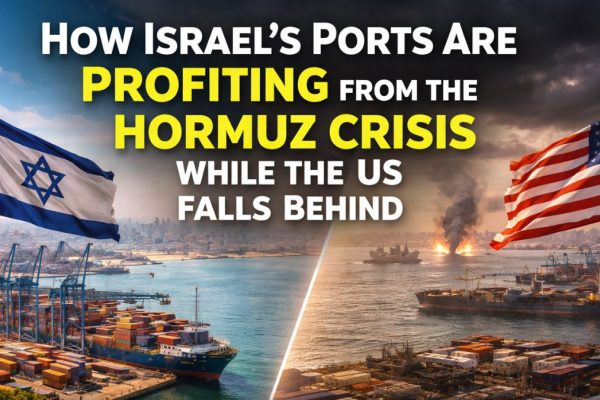
The economic implications are immediate and profound. With approximately 20 percent of global oil and liquefied natural gas flows typically passing through the Strait of Hormuz, any sustained disruption threatens to destabilise global supply. Market analysts have already begun warning of stagflationary pressures, where rising energy costs coincide with slowing economic growth. The sharp increase in both oil and gas prices reflects not only current disruptions but also anticipatory pricing driven by uncertainty and risk perception. European leaders are reportedly exploring emergency measures to mitigate the impact of surging energy prices. However, structural differences in national energy policies and taxation regimes may limit the effectiveness of a coordinated response.

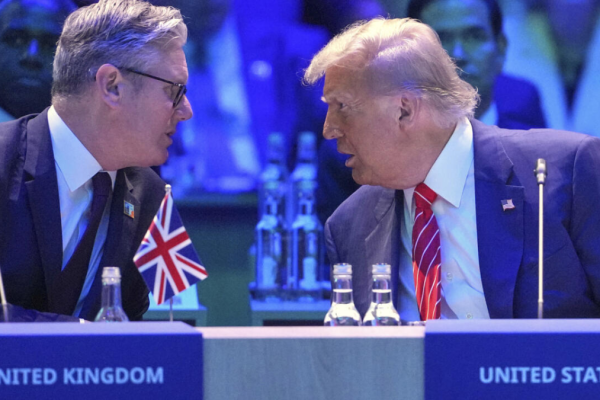
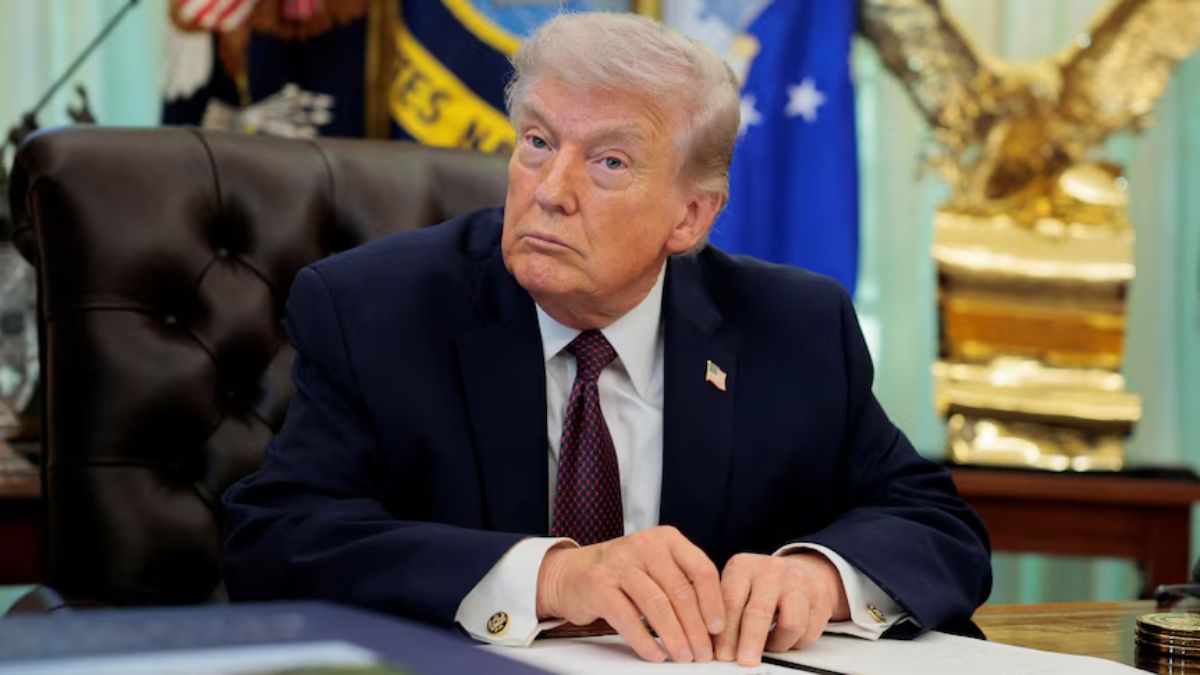
The strikes also carry a clear element of strategic signalling. By demonstrating its capacity to target high value energy assets across multiple states, Iran is asserting both capability and intent. At the same time, warnings issued by Donald Trump regarding potential retaliation against Iran’s South Pars facilities underscore the risk of a rapidly expanding conflict. This dynamic creates a feedback loop of action and response, where each escalation increases the likelihood of further confrontation. The involvement of multiple states and the centrality of energy infrastructure raise the stakes significantly, reducing the margin for diplomatic de escalation.

The latest developments mark a critical inflection point in the Middle East conflict. What began as a series of targeted military engagements has evolved into a confrontation with direct implications for the global energy system. By extending hostilities into the domain of energy infrastructure, the conflict now threatens not only regional stability but also the broader economic order. The interdependence of global energy markets ensures that the consequences of these actions will be felt far beyond the Gulf. As Iran and Israel continue to engage in retaliatory strikes, the central question is no longer whether escalation will continue, but how far it will go and at what cost to the global economy and international legal order.