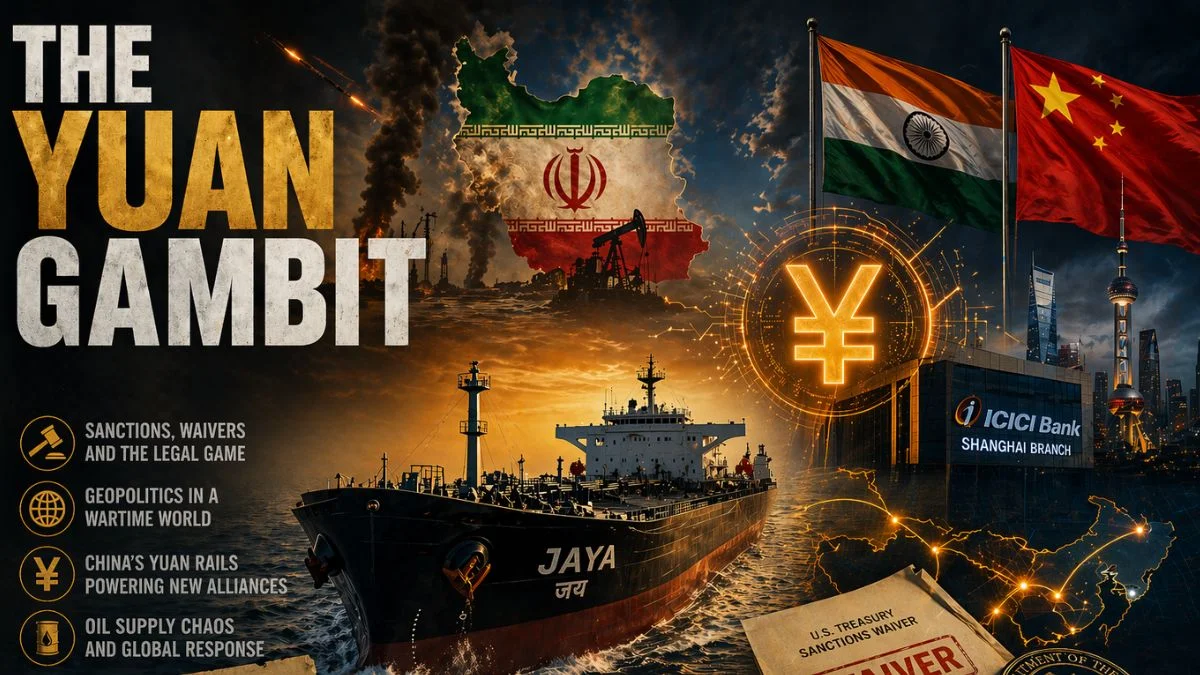
Economic sanctions are widely portrayed as the most potent non-military instrument available to modern states. From Russia to Iran and North Korea, they are designed to isolate economies, disrupt financial flows, and compel behavioural change without direct conflict. Yet beneath this formal architecture lies a far more complex and unsettling reality. Sanctions are not simply being violated. They are being systematically navigated, diluted, and, in many instances, quietly neutralised through what may best be described as sanctions laundering.
This phenomenon does not resemble the crude smuggling networks often associated with illicit trade. Instead, it operates through the very institutions that underpin global commerce: banks, shipping registries, legal advisory structures, and multinational supply chains. It is embedded within the ordinary functioning of international trade, exploiting legal ambiguities, jurisdictional fragmentation, and the limits of enforcement capacity. The result is not an outright collapse of sanctions regimes, but a gradual erosion of their effectiveness, one transaction at a time.
At the heart of sanctions laundering lies a fundamental tension between law and structure. Sanctions frameworks, whether administered by authorities such as the Office of Foreign Assets Control or coordinated through multilateral bodies like the European Union, are territorially bounded. Their enforcement depends on jurisdiction, cooperation, and traceability. Global trade, by contrast, is fluid, decentralised, and deliberately complex. This mismatch creates the conditions in which evasion can thrive without always appearing unlawful in any single jurisdiction.
One of the most persistent mechanisms through which sanctions are diluted is the use of layered corporate structures. Shell companies, nominee directors, and opaque beneficial ownership arrangements allow sanctioned actors to distance themselves from transactions while retaining effective control. Assets are transferred to affiliated entities or relatives, often in jurisdictions with limited disclosure requirements. On paper, each transaction may appear compliant. In substance, however, the economic benefit continues to accrue to the sanctioned party. The legal question that emerges is not merely one of violation, but of attribution. Establishing who truly controls an asset or transaction becomes a matter of forensic reconstruction rather than straightforward compliance.
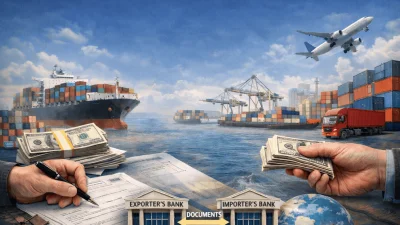
Trade itself offers another powerful channel for laundering. Goods subject to restrictions are routinely rerouted through intermediary jurisdictions, relabelled, or blended with non sanctioned commodities. A shipment originating in a sanctioned state may pass through multiple countries, acquiring new documentation at each stage, until its origin becomes effectively untraceable. This practice, often referred to as trade based laundering, exploits the fact that customs authorities operate within national frameworks, while supply chains operate across them. The integrity of the system depends on documentation that can be manipulated, fragmented, or selectively disclosed.
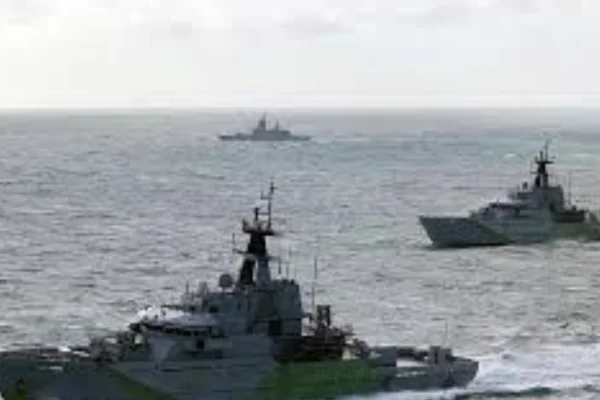
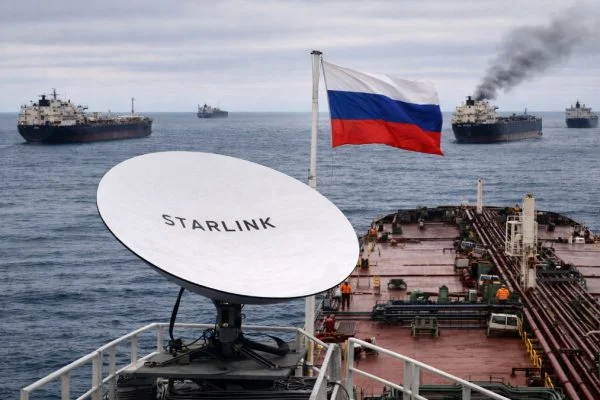
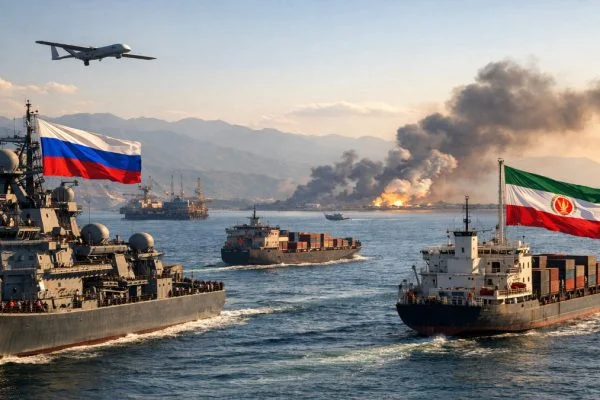
Nowhere is this more visible than in the maritime sector. Global shipping has emerged as a central theatre for sanctions evasion, largely because of its inherent regulatory gaps. Vessels operate under flags of convenience, often registered in jurisdictions that impose minimal oversight. Ownership structures are deliberately obscured through complex corporate layering. Tracking systems may be disabled or manipulated, allowing ships to conduct covert ship to ship transfers that effectively erase the origin of cargo. The emergence of so called shadow fleets transporting sanctioned oil illustrates how maritime trade can function as a parallel system, operating alongside formal compliance structures yet largely beyond their reach.
Financial systems, too, have adapted in ways that undermine the intended reach of sanctions. While traditional banking channels are subject to rigorous oversight, alternative networks have proliferated. Informal value transfer systems, offshore financial centres, and digital assets provide mechanisms for moving funds without triggering conventional controls. The rise of decentralised finance further complicates enforcement, as transactions can occur without central intermediaries capable of implementing sanctions screening. In this environment, financial exclusion is no longer absolute. It is conditional and, in many cases, negotiable.
A critical but often overlooked dimension of sanctions laundering is the role of third countries. Sanctions are rarely universal. They are imposed by specific states or coalitions, creating asymmetries that can be strategically exploited. Jurisdictions that do not fully align with a given sanctions regime may become conduits for trade and finance, facilitating transactions that would otherwise be prohibited. Goods are re exported, funds are routed through local institutions, and corporate entities are established to serve as intermediaries. This is not necessarily a matter of overt defiance. It is frequently a function of divergent regulatory priorities and economic incentives.
The cumulative effect of these practices is a form of jurisdictional arbitrage. Compliance is assessed within discrete legal systems, while evasion operates across them. Each actor in a transaction chain may be able to demonstrate formal adherence to local law, even as the overall structure achieves a result that sanctions were designed to prevent. This creates a profound challenge for enforcement authorities, who must piece together fragmented evidence across multiple jurisdictions, often in the face of limited cooperation.
What makes sanctions laundering particularly difficult to address is its proximity to legality. Much of the conduct involved does not involve blatant falsification or direct violation. Instead, it relies on structuring transactions in ways that avoid triggering prohibitions. Contracts are drafted to exclude sanctioned parties from formal ownership, even if they retain influence. Transactions are broken into components that, individually, fall below regulatory thresholds. Legal and financial professionals may facilitate these arrangements, sometimes unwittingly, sometimes as part of aggressive but ostensibly lawful advisory practices. The boundary between legitimate structuring and unlawful evasion becomes increasingly difficult to define.
Enforcement agencies have begun to respond by broadening the scope of liability. The emphasis is shifting from completed violations to attempts at evasion, with regulators seeking to capture conduct that is designed to circumvent sanctions even if it does not result in a direct breach. This approach reflects an acknowledgement that traditional models of enforcement, focused on clear and discrete violations, are insufficient in the face of complex, adaptive networks. Yet it also raises concerns about legal certainty, as actors must navigate an environment in which the line between compliance and liability is continually evolving.
The implications for global policy are significant. Sanctions are often deployed as a central element of foreign policy, intended to exert economic pressure without resorting to force. Their effectiveness depends not only on their design, but on their enforceability. If sanctions can be systematically laundered through existing trade and financial systems, their capacity to achieve strategic objectives is fundamentally compromised. They risk becoming symbolic measures that signal disapproval without delivering meaningful constraint.
For legal practitioners and compliance professionals, this landscape presents both risk and responsibility. The increasing complexity of sanctions regimes requires a level of diligence that extends beyond formal compliance. It demands an understanding of how transactions fit within broader structures and how seemingly benign arrangements may contribute to prohibited outcomes. At the same time, the expansion of enforcement creates exposure for those who operate in good faith but fail to anticipate the ways in which their services may be used.
Sanctions laundering, in this sense, is not merely a technical challenge. It is a structural feature of a globalised economy in which regulation remains fragmented and incentives are unevenly distributed. As long as trade flows, financial networks, and legal systems operate across divergent frameworks, the opportunities for evasion will persist. The question is not whether sanctions can be enforced in principle, but whether they can be made resilient in practice.
Until that question is addressed with greater coherence and coordination, the reality remains that economic warfare is being fought on two fronts. One is visible, codified in legislation and enforcement actions. The other operates in the shadows of legality, where the rules are not broken so much as they are quietly rewritten through practice.