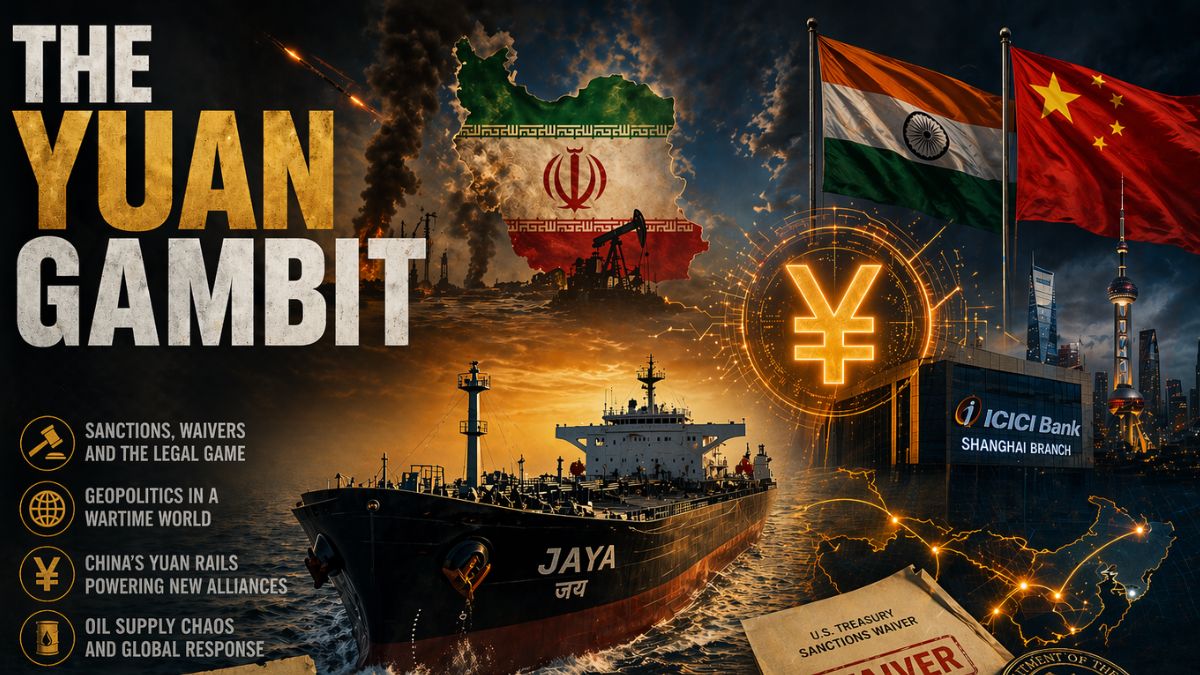
The reported targeting of energy infrastructure in Asaluyeh marks a dangerous and unprecedented escalation in an already volatile regional conflict, with implications that extend far beyond Iran’s borders into the fragile architecture of global energy security and international law. Situated in Bushehr province along the Persian Gulf, the Asaluyeh complex is not merely an industrial hub but the operational core of Iran’s participation in the South Pars gas field, the largest natural gas reserve in the world. Any disruption here reverberates through energy markets, diplomatic channels, and military posturing across West Asia and beyond.
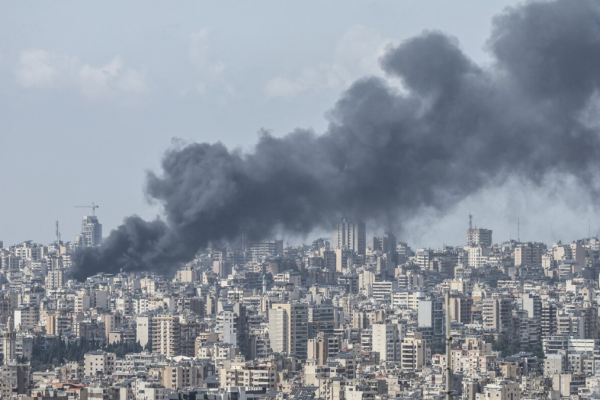
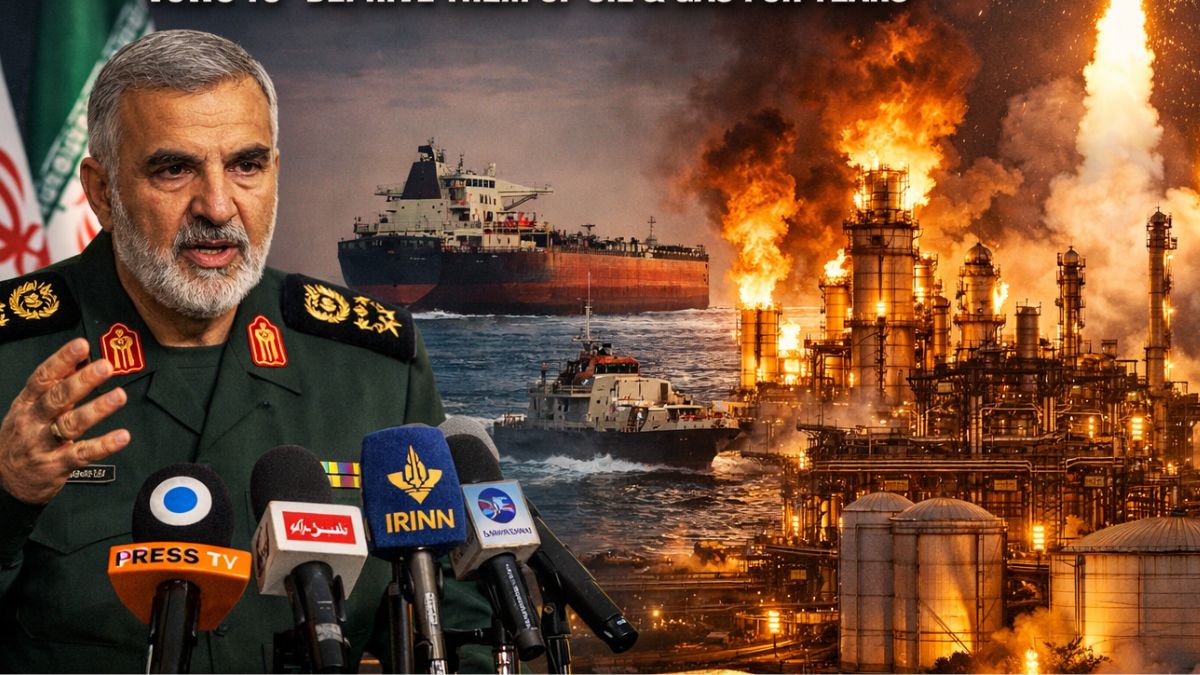
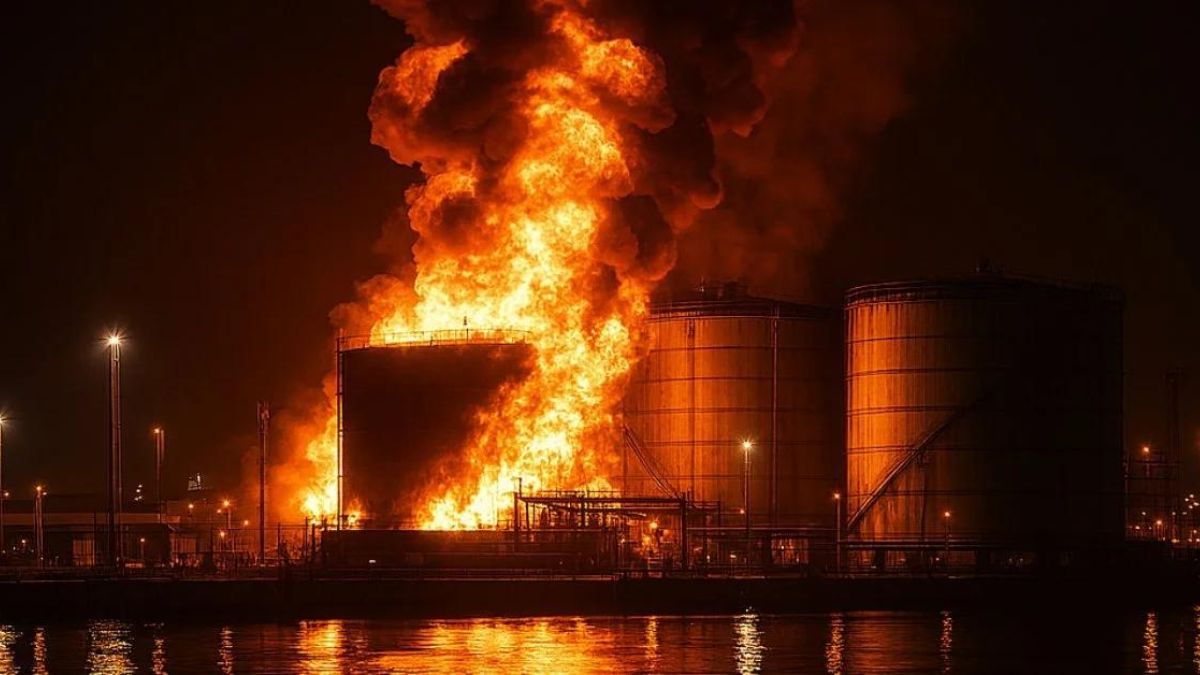
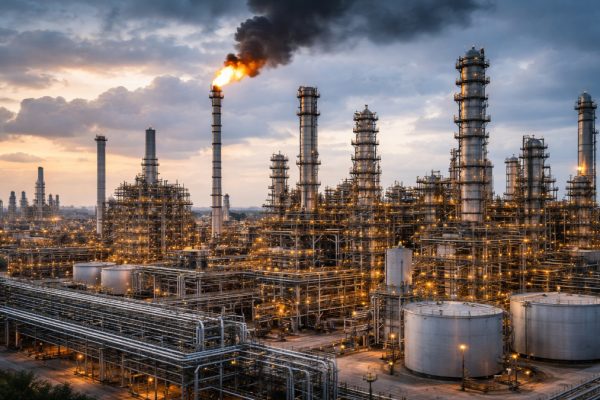
According to Iranian state media, sections of facilities associated with the South Pars field came under attack on Wednesday, triggering fires that required immediate containment measures. Iranian authorities were swift to assert that the situation was under control, with firefighting teams from South Pars and the Pars Special Economic Zone actively engaged in extinguishing the blaze. The governor of Asaluyeh confirmed that certain operational phases had been taken offline to prevent the spread of fire and that a crisis management headquarters had been established. Notably, there have been no reported casualties thus far, a fact that has likely prevented an even more immediate and severe retaliatory posture.
However, the absence of casualties does not mitigate the strategic gravity of the incident. If verified, this would represent the first direct targeting of Iran’s upstream oil and gas infrastructure since the onset of the current conflict. Such a move fundamentally alters the rules of engagement. Energy infrastructure has traditionally been treated as a high risk target due to its civilian dependency and global economic implications. Its targeting signals a shift towards total economic warfare, where energy lifelines become legitimate objectives.
Israeli sources, as cited in regional media, claim that the strike was conducted by the Israeli Air Force and targeted what was described as Iran’s largest gas processing facility in the south of the country. More significantly, a senior Israeli official suggested that the operation was carried out in coordination with the United States and with its consent. If accurate, this raises profound legal and diplomatic questions. Under international law, particularly the principles governing armed conflict and state sovereignty, such coordination could implicate additional actors in what may be construed as an attack on critical civilian infrastructure.
The South Pars field itself is of exceptional strategic importance. Shared between Iran and Qatar, it underpins a substantial portion of global gas supply. Iran’s production from the field reached approximately 730 million cubic metres per day in 2025, according to official figures. For Qatar, the same field forms the backbone of its liquefied natural gas exports, which are essential to energy markets in Europe and Asia. Any instability affecting this shared resource risks creating immediate ripple effects in already constrained global energy markets.
From a market perspective, even a temporary disruption to Iranian gas flows could tighten supply conditions significantly. Türkiye, a major recipient of Iranian gas, may be forced to increase its reliance on spot LNG purchases, thereby exerting upward pressure on prices. In an environment already strained by geopolitical tensions and supply uncertainties, this incident could catalyse a new phase of volatility in global energy pricing.
Iran’s response has been predictably forceful in rhetoric, with officials expressing anger and signalling an intention to retaliate. Reports indicate that the Islamic Revolutionary Guard Corps has issued evacuation warnings to oil and gas facilities across the Gulf region. Such warnings are not merely precautionary but serve as strategic messaging, indicating that potential counter strikes could target energy assets belonging to or associated with regional adversaries. This introduces a deeply concerning prospect of a cascading cycle of attacks on energy infrastructure across multiple jurisdictions.
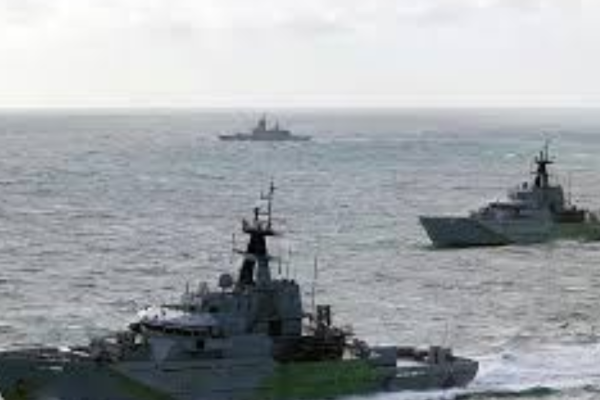
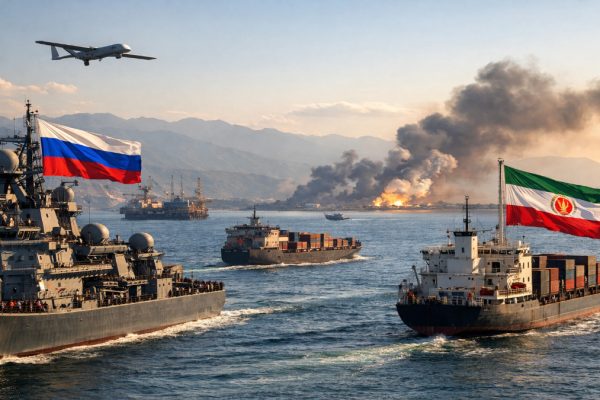
The geographical proximity of Asaluyeh to Gulf states amplifies the risk of regional spillover. The Persian Gulf is one of the most heavily militarised and economically vital waterways in the world. Any escalation here carries the risk of disrupting maritime traffic, including the transit of oil and gas shipments through critical chokepoints. The potential for miscalculation is exceptionally high, particularly in an environment where multiple state and non state actors operate with overlapping and often conflicting objectives.
Equally significant is the shared nature of the South Pars field. Qatar, which operates its own facilities on the same offshore reserve, could find itself inadvertently drawn into the conflict. While there is no indication that Qatari infrastructure has been directly targeted in this instance, the interdependence of the field means that any sustained disruption on the Iranian side could have operational and economic consequences for Doha. Given Qatar’s role as a major global LNG supplier, such developments would not remain confined to the region.
From a legal standpoint, the targeting of energy infrastructure raises critical questions regarding proportionality and distinction under the laws of armed conflict. While states may argue military necessity, the dual use nature of such facilities complicates any justification. Energy infrastructure serves civilian populations and global markets, and its destruction can have far reaching humanitarian and economic consequences. If the reported coordination with external actors is substantiated, it could further complicate legal accountability and diplomatic relations.
Strategically, this incident underscores a broader shift towards economic warfare, where the objective is not merely to degrade military capability but to undermine economic resilience. Iran’s energy sector is central to its economy and its ability to project influence. By targeting this sector, adversaries may be seeking to impose long term strategic costs. However, such actions also risk provoking symmetrical responses, particularly in a region where energy infrastructure is both abundant and vulnerable.
The coming hours and days will be critical. Iranian threats of retaliation suggest that the situation could escalate rapidly. The involvement of major powers, whether direct or indirect, adds another layer of complexity. For global markets, policymakers, and security analysts, the key concern is whether this incident remains a contained episode or becomes the opening act in a broader campaign targeting energy infrastructure across the Gulf.
In sum, the strike on Asaluyeh is not an isolated tactical event but a strategic inflection point. It challenges existing norms, threatens regional stability, and introduces new risks into the global energy system. The international community now faces a stark reality in which the lines between military and economic targets are increasingly blurred, and where the consequences of escalation could be both immediate and profound.