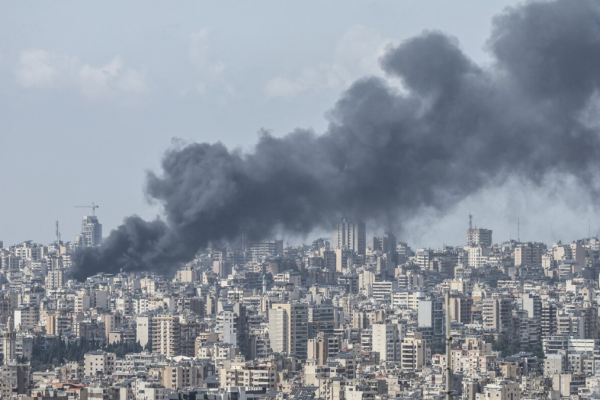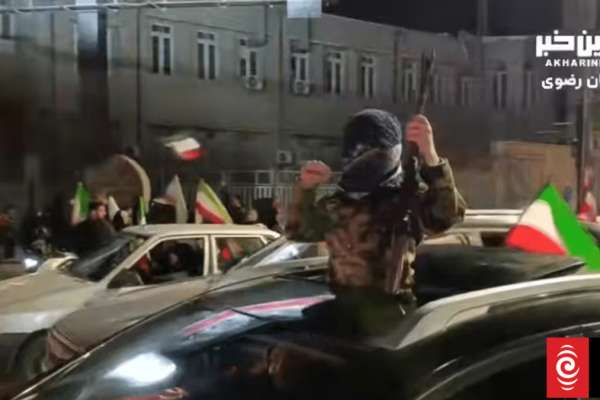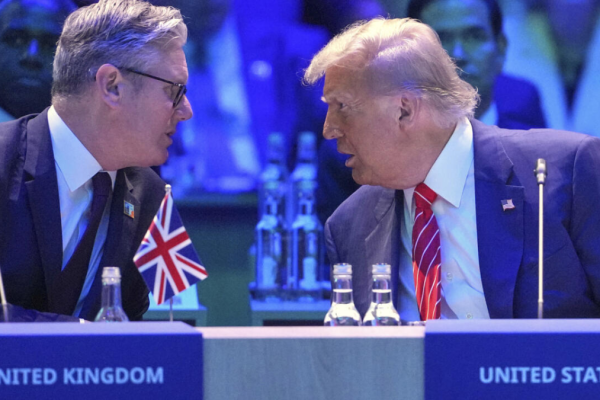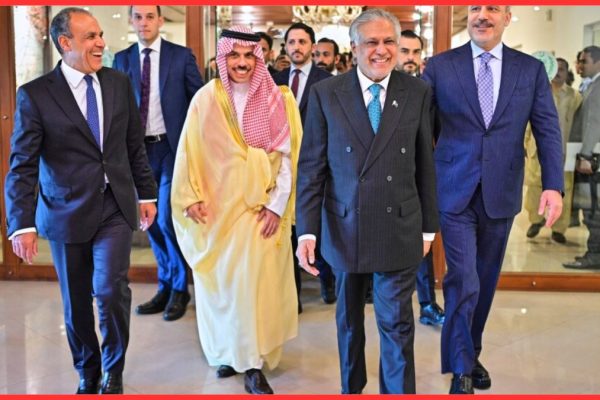
The unfolding geopolitical theatre surrounding the escalating confrontation involving Donald Trump, Iran, and the broader Middle East has exposed a stark dissonance between political assurances and operational realities, even as Hakan Fidan prepares for a consequential diplomatic tour across key regional capitals in an attempt to arrest a conflict that is rapidly metastasising into a systemic crisis. The Turkish initiative emerges not merely as a conventional peace overture but as a strategic recalibration by Ankara, which increasingly perceives the Iran war as a direct threat to regional stability, global energy security, and its own geopolitical positioning within an already fragmented international order.

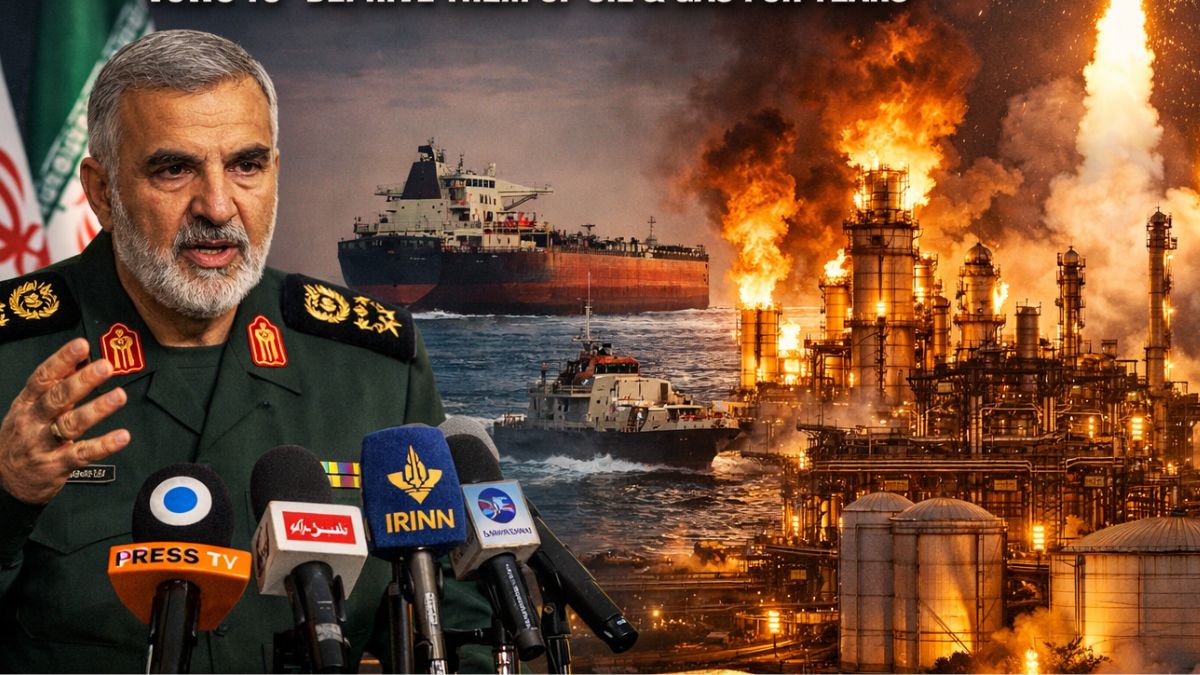
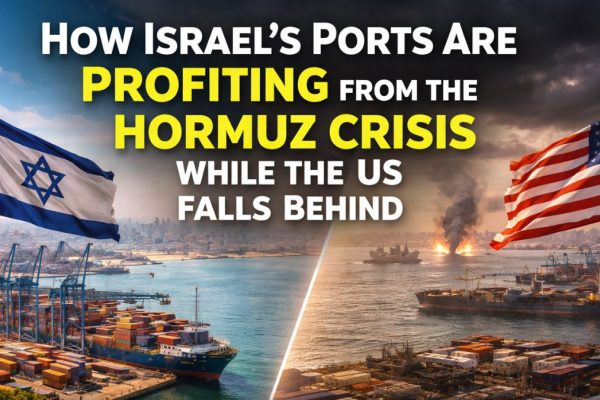
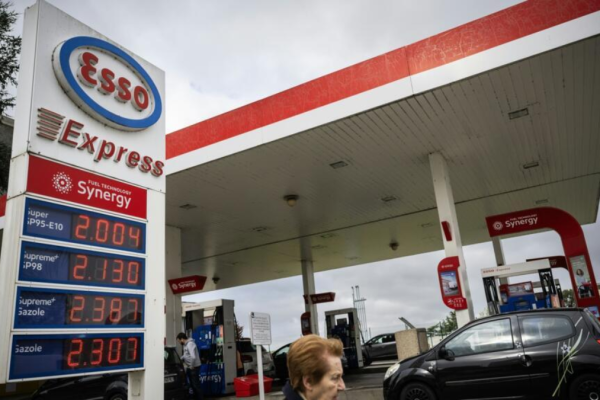
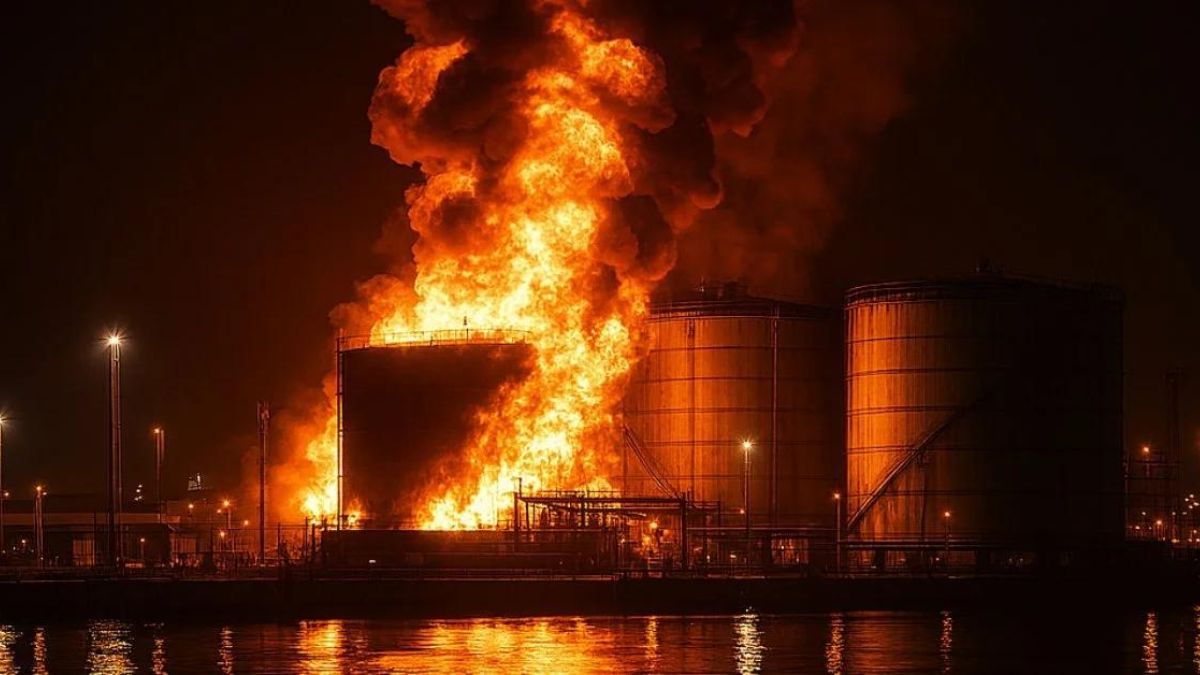
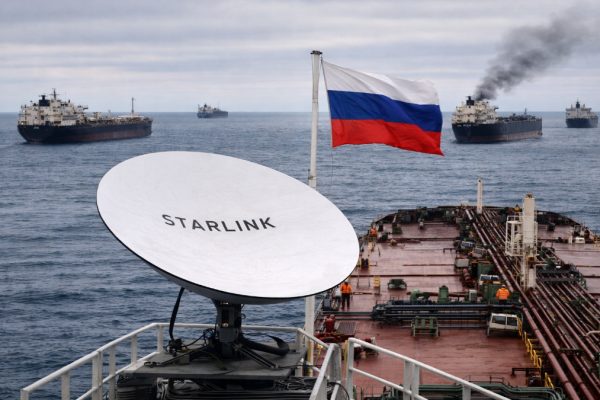
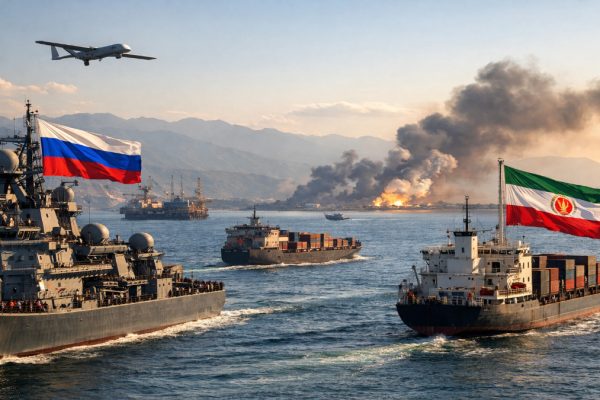
At the centre of the crisis lies the sharp escalation in oil prices, a development intrinsically tied to the paralysis of maritime security in the Strait of Hormuz, one of the most critical arteries of global energy transit. With approximately 13 million barrels per day flowing through this narrow passage in 2025, accounting for nearly a third of all seaborne crude, any disruption carries immediate and profound consequences for global markets. The recent surge in Brent crude prices beyond 102 dollars per barrel and US oil prices approaching 96 dollars reflects not merely speculative anxiety but a tangible contraction in supply chains triggered by Iranian attacks and the subsequent withdrawal or hesitation of commercial shipping.

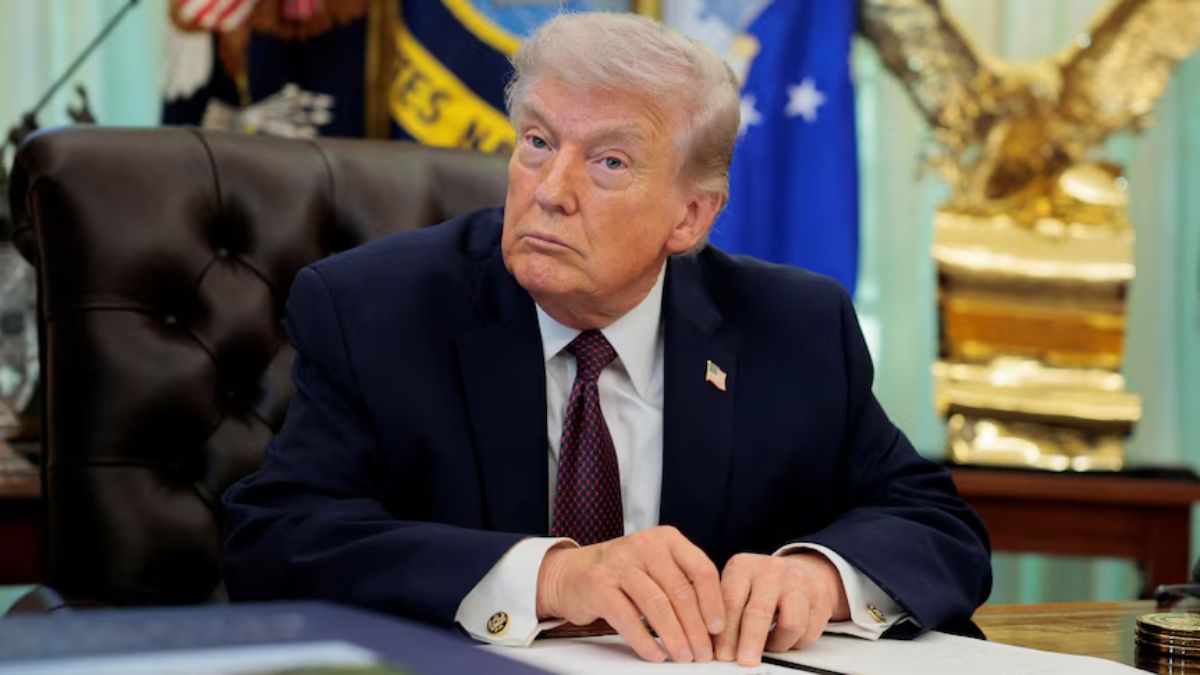
Against this backdrop, Trump’s assertion that oil and gas prices will “drop like a rock” once the war concludes appears less an informed economic projection and more a politically expedient narrative designed to contain domestic discontent. Such claims overlook the structural complexities of energy markets, where price stabilisation is contingent not only on the cessation of hostilities but on the restoration of secure shipping lanes, insurance mechanisms, and investor confidence. The absence of a coherent multinational naval coalition to safeguard tanker traffic underscores a deeper crisis of alliance cohesion, particularly within NATO, where reluctance among member states to engage militarily has exposed fractures in transatlantic security commitments.

The United States’ inability thus far to mobilise meaningful allied participation in escort operations through the Strait of Hormuz represents a critical strategic failure. While Washington has floated proposals involving naval escorts and insurance guarantees, neither has materialised in operational terms, largely due to the inherent risks associated with direct confrontation with Iranian forces. As noted by market analysts, escort missions would render naval assets vulnerable, effectively transforming defensive operations into potential flashpoints for escalation. This operational hesitancy has, in turn, emboldened Iran’s asymmetric tactics, further destabilising shipping routes and amplifying supply disruptions.

It is within this volatile matrix that Turkey’s diplomatic intervention must be understood. Unlike external powers whose engagement is often filtered through global strategic competition, Ankara’s stakes are immediate and multidimensional. The conflict threatens to disrupt regional trade corridors, exacerbate refugee flows, and undermine fragile political balances across the Middle East. Hakan Fidan’s anticipated engagements with Middle Eastern states are therefore likely to focus not only on ceasefire mechanisms but also on constructing a framework for de escalation that addresses both military and economic dimensions of the crisis.

Turkey’s approach is expected to leverage its unique positioning as a NATO member with functional ties to regional actors, including Iran. This dual identity allows Ankara to operate as a mediator with a degree of credibility that is increasingly absent in Western interventions. However, the success of this initiative will depend on whether Turkey can navigate the entrenched mistrust between the principal actors, particularly in a context where the United States has signalled unilateralism by asserting it does not require allied support.

The broader implications of the crisis extend far beyond immediate price volatility. The disruption in the Strait of Hormuz represents one of the largest shocks to global oil supply in recent history, raising fundamental questions about the resilience of existing energy infrastructure and the adequacy of current security frameworks. The inability to ensure safe passage through such a critical chokepoint exposes systemic vulnerabilities that could redefine global energy geopolitics for years to come.

Moreover, the war has illuminated the limitations of coercive diplomacy in an increasingly multipolar world. The assumption that military pressure alone can yield rapid stabilisation is being challenged by the persistence of asymmetric threats and the reluctance of traditional allies to engage in high risk operations. This recalibration of risk tolerance among Western states signals a broader shift in international relations, where strategic autonomy and domestic political considerations are increasingly shaping foreign policy decisions.

In this context, Trump’s confident projections regarding imminent price reductions appear detached from the operational and structural realities on the ground. The resolution of the conflict, even if achieved in the near term, will not automatically translate into immediate market normalisation. Rebuilding trust in maritime security, re establishing insurance frameworks, and restoring logistical networks will require sustained diplomatic and economic efforts, far beyond the simplistic timeline suggested in political rhetoric.

As Turkey embarks on its diplomatic mission, the stakes could not be higher. The success or failure of these efforts will not only determine the trajectory of the Iran war but will also shape the contours of regional order and global energy stability. What is unfolding is not merely a conflict over territory or influence, but a profound test of the international system’s capacity to manage crisis in an era defined by fragmentation, strategic ambiguity, and the erosion of collective security mechanisms.