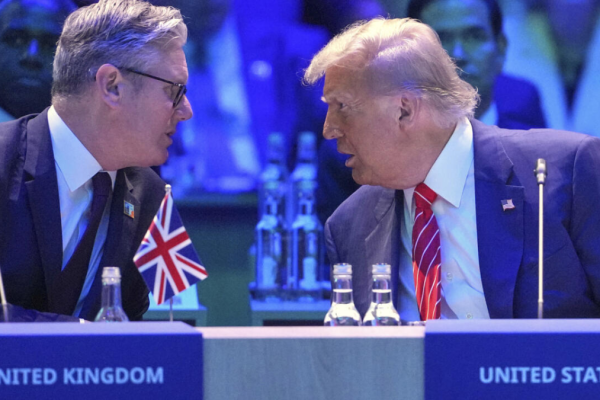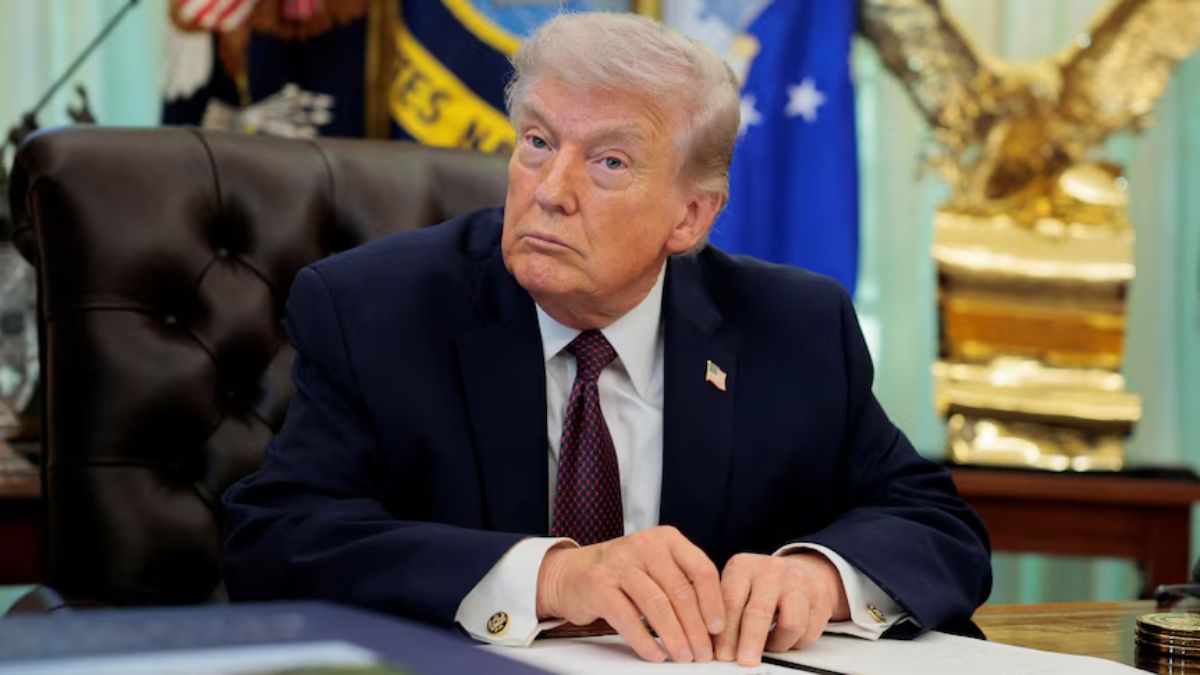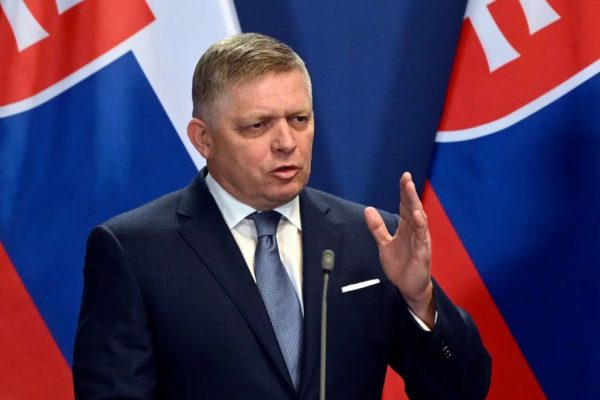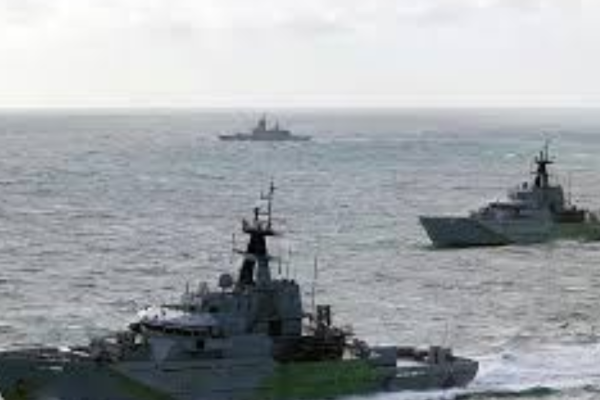
A proposal advanced by Donald Trump urging other countries to deploy naval vessels to reopen the Strait of Hormuz has triggered significant debate within international legal and diplomatic circles. While the suggestion reflects the urgency of restoring maritime traffic through one of the world’s most critical energy corridors, the hesitant response from NATO and other states underscores the legal and strategic complexity surrounding multinational intervention in an active conflict zone involving Iran. The Strait of Hormuz remains a vital artery for global oil supply, and disruptions to shipping in this region have immediate consequences for international energy markets. However, the question of whether third-party states may lawfully intervene to secure navigation routes involves intricate legal considerations rooted in maritime law, the use of force doctrine and collective security arrangements. From a legal and international relations perspective, the situation illustrates the challenges of reconciling economic necessity with the constraints imposed by international law.

Legal status of the Strait of Hormuz and navigational rights

The Strait of Hormuz is classified under international law as an international strait used for navigation between two areas of high seas. The legal regime governing such waterways is defined primarily by the United Nations Convention on the Law of the Sea. This framework establishes the right of transit passage, which allows vessels from all states to pass through the strait without interference. Coastal states, including Iran, retain sovereignty over their territorial waters but must respect the navigational rights of foreign vessels. If maritime traffic is obstructed due to military activity, the situation raises questions about whether international law has been violated and what remedies are available to restore navigation. While the right of transit passage is well established, its enforcement remains complex in the absence of a central international authority to guarantee compliance.

Use of force and the limits of maritime intervention

The proposal for a multinational naval deployment to reopen the strait must be evaluated within the framework of the United Nations Charter. Article two prohibits the use of force except in cases of self-defence or when authorised by the Security Council. For third-party states to deploy naval forces in a manner that could involve hostilities, they would need to establish a legal basis for such action. One potential justification could be collective self-defence if allied states argue that disruptions to shipping constitute a threat to their national security. Alternatively, a Security Council mandate could provide legal authorisation for multinational operations aimed at securing maritime routes. However, achieving such authorisation often proves difficult due to political divisions among permanent members. Absent a clear legal justification, unilateral or coalition-based intervention risks being interpreted as a violation of the prohibition on the use of force.

NATO’s cautious approach and alliance legal obligations

The cautious response from NATO reflects both legal and strategic considerations. As a collective defence organisation, NATO operates under the principle that member states may act together in response to threats to collective security. However, the invocation of collective defence mechanisms requires consensus among member states and a clear legal basis for action. Engagement in a conflict involving Iran carries significant risks, including escalation into a broader regional confrontation. NATO members must therefore weigh their treaty obligations against the potential legal and political consequences of intervention. The absence of a direct attack on NATO member states may further complicate efforts to justify collective military action under the alliance framework.

Economic imperatives and global energy security

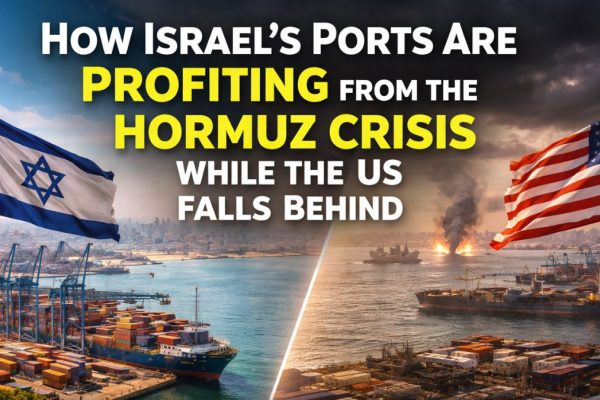
The urgency behind proposals to reopen the Strait of Hormuz stems from its central role in the global energy system. A substantial portion of the world’s seaborne oil exports passes through this narrow corridor, making it one of the most strategically important maritime routes in existence. Disruptions to shipping in the Strait can lead to immediate increases in global oil prices, affecting economies far beyond the Middle East. Governments reliant on energy imports, therefore, have a strong interest in ensuring the continued flow of oil through the region. However, economic necessity alone does not provide a legal basis for military intervention. International law requires that actions affecting sovereignty and territorial integrity be justified under established legal principles rather than purely economic considerations.

Strategic risks of multinational naval operations

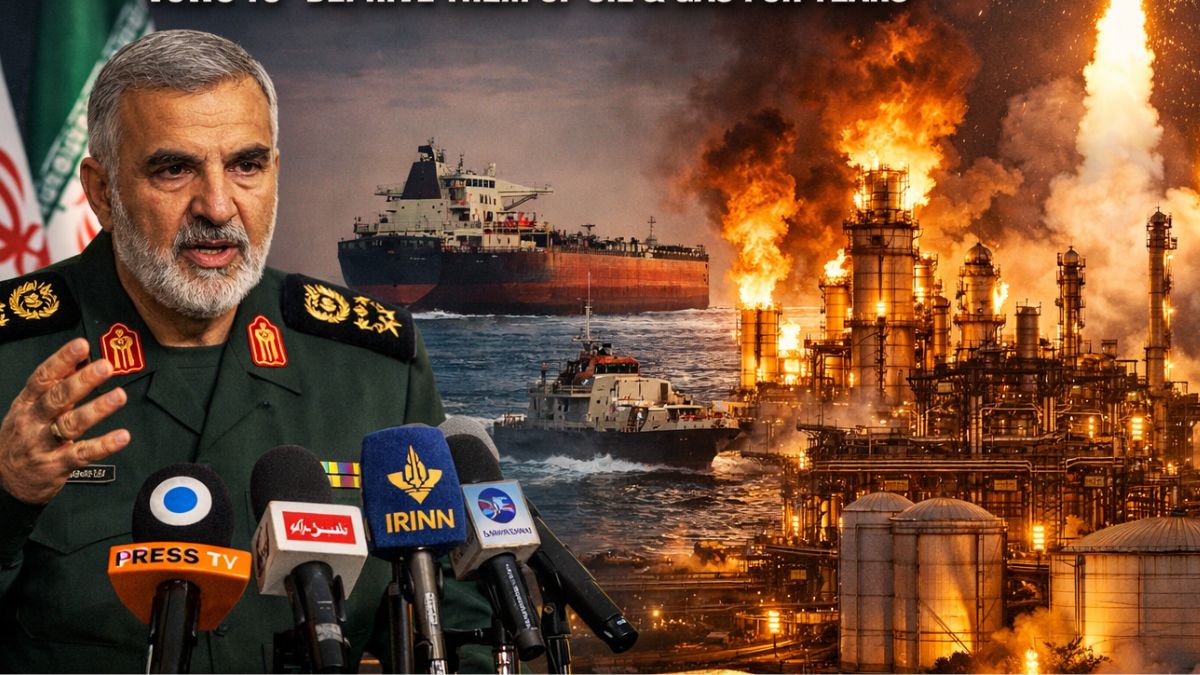
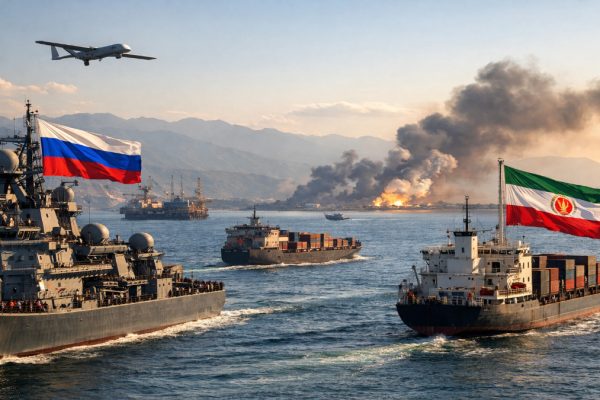
Deploying multinational naval forces to secure the Strait of Hormuz would introduce significant operational risks. The presence of multiple military actors in a confined maritime environment increases the likelihood of miscalculation and unintended escalation. Iran has historically emphasised asymmetric naval tactics, including the use of sea mines, fast attack craft and missile systems capable of targeting vessels operating in the Gulf. Any attempt to forcibly reopen shipping routes could therefore encounter resistance, potentially transforming a limited conflict into a broader confrontation. These risks contribute to the hesitation observed among potential coalition partners, who must consider both the legal justification for intervention and the practical consequences of military engagement.

The broader challenge of safeguarding global commons

The situation highlights a fundamental issue within international law concerning the protection of global commons such as strategic maritime corridors. While legal frameworks recognise the importance of maintaining open navigation routes, enforcement mechanisms remain dependent on state cooperation. The absence of a universally accepted mechanism for guaranteeing maritime security in contested regions leaves states to navigate complex legal and strategic choices when disruptions occur. The debate over reopening the Strait of Hormuz, therefore, reflects a broader challenge facing the international community: how to protect critical infrastructure essential to global trade while respecting the sovereignty of states and the constraints imposed by international law.

Navigating legality and necessity in modern conflict

The call for multinational involvement in securing the Strait of Hormuz underscores the tension between legal norms and strategic imperatives in contemporary international relations. While the economic importance of the strait creates strong incentives for action, the legal framework governing the use of force imposes significant constraints on how states may respond. As the situation evolves, the willingness of states to engage in collective action will depend on their assessment of both legal legitimacy and strategic risk. The interplay between these factors will ultimately shape the international response to one of the most critical maritime security challenges in the modern era.