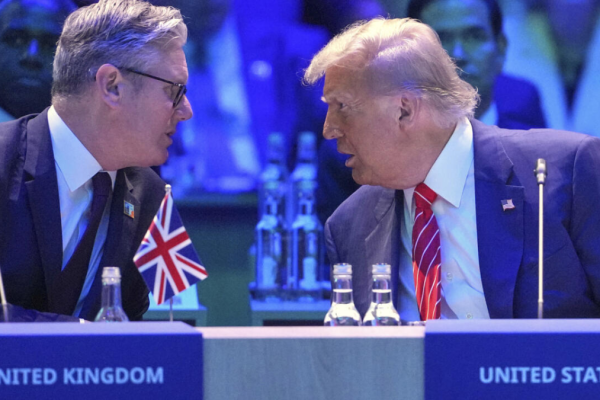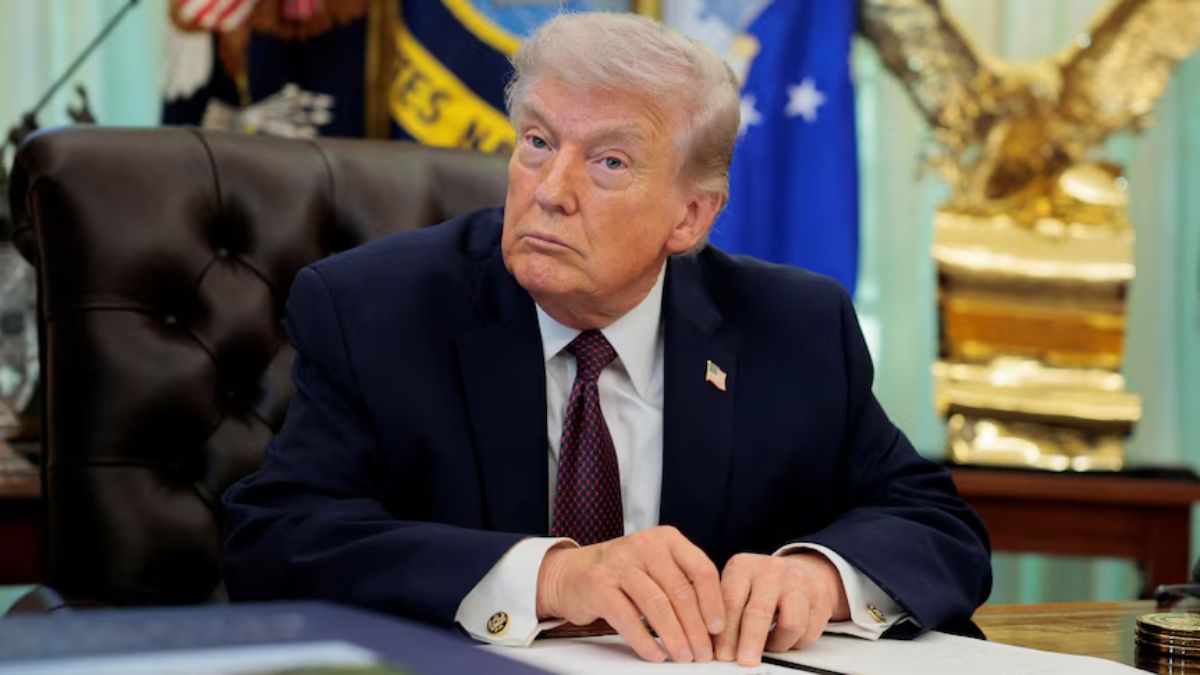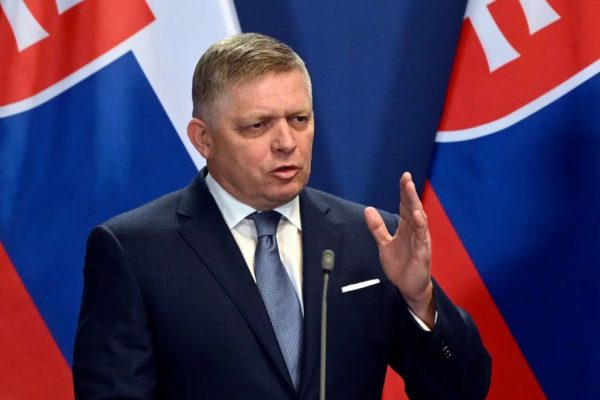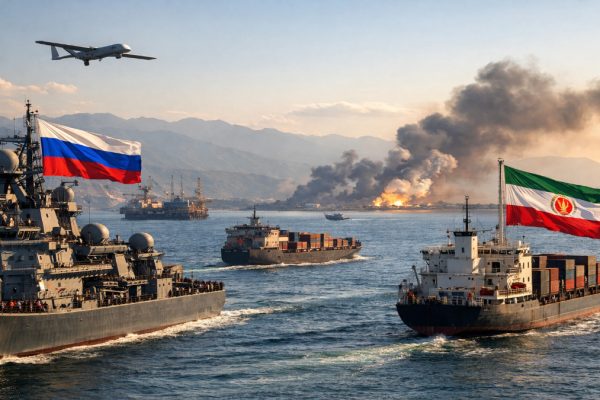
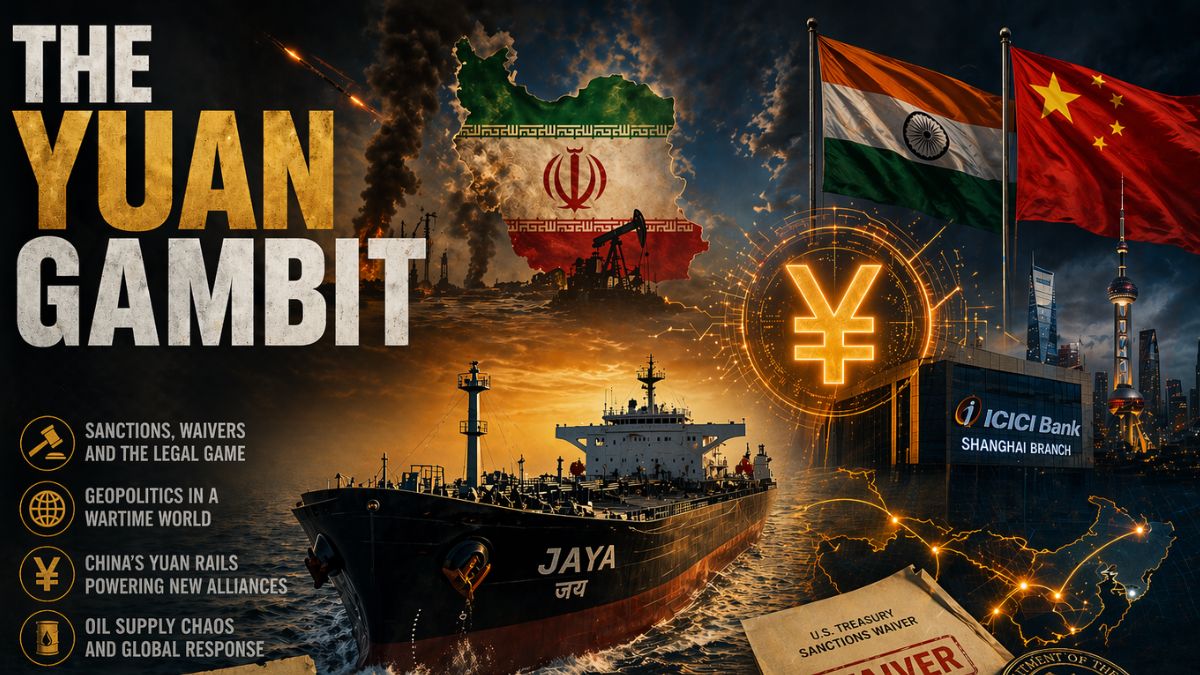
The continuing tensions surrounding the Strait of Hormuz have brought into sharp focus a widening rift between the United States and its traditional security partners, with President Donald Trump openly expressing frustration at what he regards as the unwillingness of allied nations to share the burden of safeguarding one of the most critical maritime energy corridors in the world. In recent public remarks, the American president renewed his criticism of several countries, including members of the North Atlantic Treaty Organization, arguing that Washington has spent decades underwriting global security while other powers have benefited without assuming proportional responsibility. The comments reflect not merely a diplomatic complaint but a deeper strategic anxiety in Washington as the geopolitical environment surrounding the Persian Gulf grows more volatile and unpredictable.
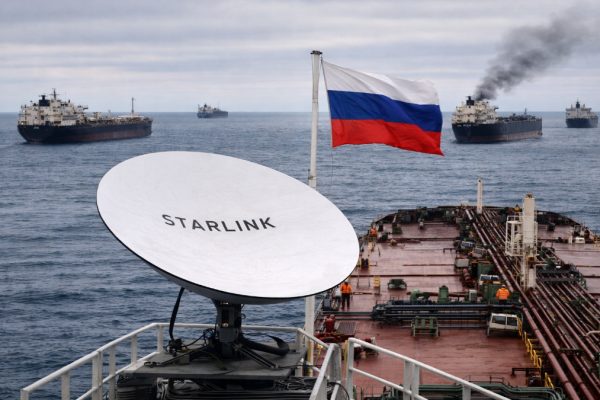
The Strait of Hormuz remains the most important oil transit chokepoint on the planet, with a substantial portion of global petroleum exports passing through its narrow waters every day. The strategic importance of this maritime artery is particularly acute for major Asian economies. Countries such as Japan and China rely on the strait for more than ninety percent of their oil imports, making the stability of this route a direct economic lifeline for their industrial systems. Trump’s argument is straightforward and confrontational. If these states depend so heavily on the passage of energy supplies through the strait, he believes they should be actively involved in defending it rather than expecting the United States Navy to shoulder the responsibility alone.
The president’s remarks over the weekend targeted seven countries in particular, although the broader criticism was aimed at the architecture of alliance politics that has defined the post Second World War order. Trump emphasised that the United States has long acted as the security guarantor for Europe and parts of Asia, maintaining extensive military deployments, financing alliance structures and responding to crises that threaten the economic stability of partner nations. From his perspective, the situation in the Strait of Hormuz now represents a moment where those same partners should reciprocate with tangible military commitments.
However, the strategic environment confronting Washington complicates this expectation. China has shown little enthusiasm for joining a United States led maritime security initiative in the Gulf, despite its heavy dependence on the oil shipments that pass through the strait. Beijing’s reluctance reflects its broader foreign policy approach, which generally avoids direct military alignment with Western security coalitions while simultaneously expanding its economic footprint across the Middle East. Chinese policymakers appear to prefer diplomatic balancing and economic engagement rather than committing naval forces to a potentially volatile confrontation with Iran.
European governments meanwhile face a different set of calculations that make their response cautious and fragmented. Many European capitals remain wary of American strategic credibility following the rapid escalation of conflict in the region and the perception that Washington has taken aggressive steps without sufficient consultation with its allies. The concern is not only political but operational. The pace at which events are unfolding around the Strait of Hormuz makes the organisation of a coordinated multinational naval mission extremely difficult. Deploying warships, establishing command structures and synchronising rules of engagement among multiple countries requires careful planning that cannot be accomplished overnight.
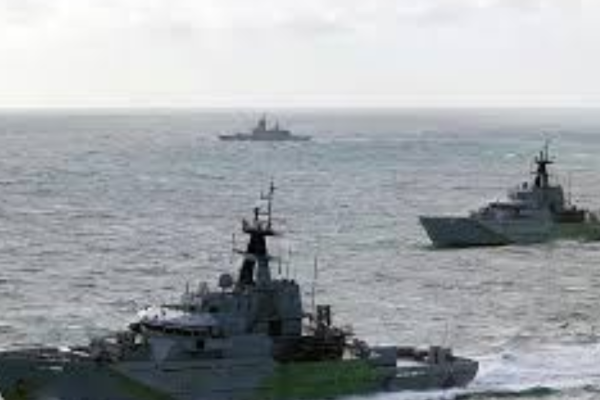
Military analysts emphasise that assembling a credible multinational naval armada capable of protecting commercial shipping lanes takes weeks even under ideal conditions. Ships must be redirected from existing missions, logistics networks must be arranged and legal frameworks must be agreed upon between participating states. In the current situation, developments in the Gulf are unfolding far more rapidly than the bureaucratic and operational machinery of multinational defence cooperation can respond. This structural lag is one of the reasons the United States appears increasingly isolated in its immediate response to the evolving threat environment.
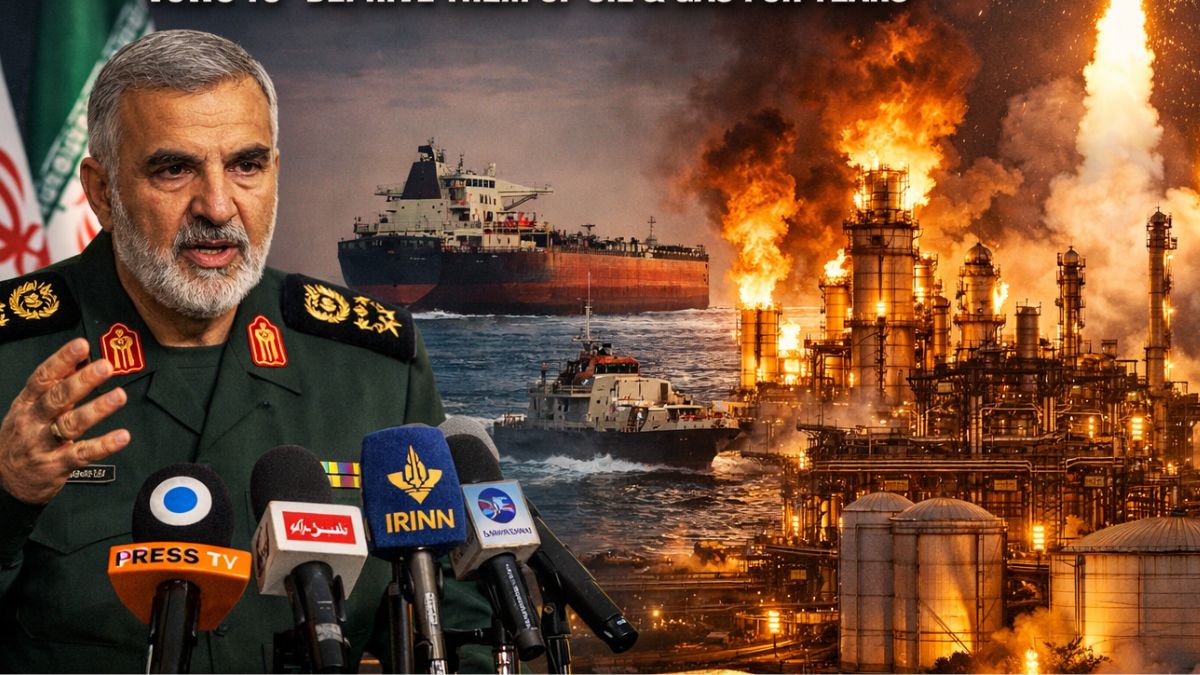
Strategic experts observing the confrontation point out that the challenge facing Washington is not simply one of alliance management but also of confronting Iran’s sophisticated regional strategy. According to analysts such as Harrison, Iran has developed a network of influence that operates through regional groups capable of exerting pressure on maritime security without triggering direct conventional warfare. This approach allows Tehran to shape the security dynamics of the Persian Gulf in ways that complicate traditional military deterrence. By leveraging relationships across the region, Iran can impose strategic costs on adversaries while maintaining a level of plausible deniability.
From this perspective, Trump’s public criticism of allied nations may reflect a deeper recognition within the United States administration that Iran’s asymmetric strategy has altered the strategic equation. Conventional naval dominance alone does not automatically guarantee stability in a theatre where non state actors and regional proxies play significant roles. While the United States retains unmatched maritime capabilities, translating that power into a sustainable security framework for the Strait of Hormuz requires political cooperation from other major economic stakeholders.
The broader geopolitical significance of this dispute lies in what it reveals about the evolving nature of the Western alliance system. For decades the United States operated as the unquestioned anchor of collective security arrangements that extended from Europe to East Asia. Yet the current dispute suggests that the political consensus underpinning that system is under strain. European states are increasingly cautious about military commitments that could entangle them in conflicts they did not initiate, while rising powers such as China calculate their interests through a different strategic lens that prioritises economic access without direct military alignment.
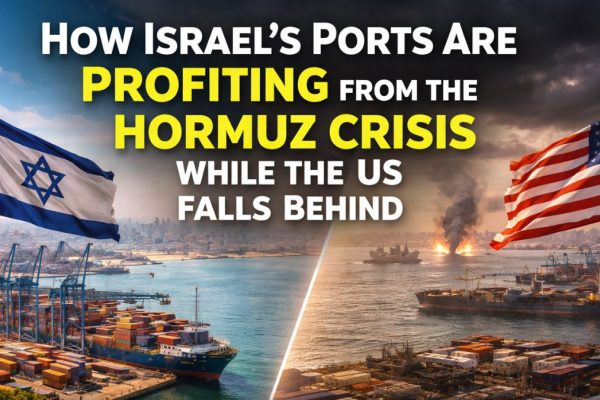
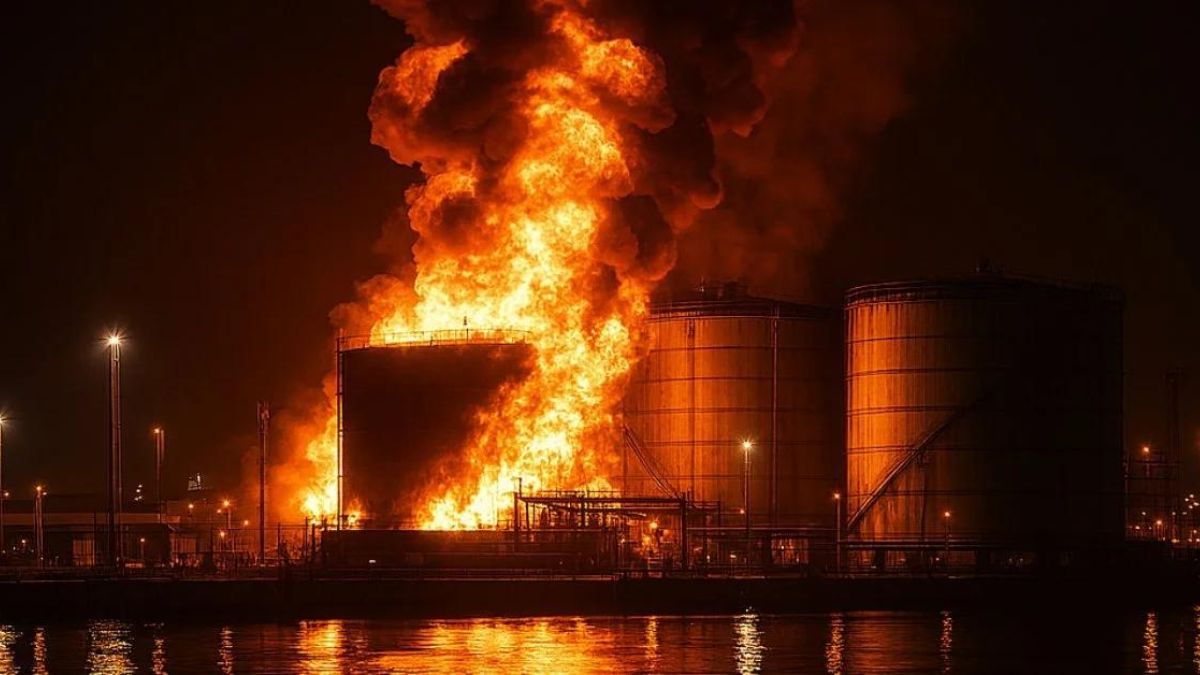
For global energy markets and international shipping industries, the implications are profound. The security of the Strait of Hormuz is not merely a regional issue but a cornerstone of the entire global energy architecture. Any prolonged instability in the strait threatens to disrupt oil flows that sustain major economies across Asia, Europe and beyond. In that context, the absence of a clear and unified multinational security response raises serious questions about the resilience of the existing system that has protected maritime trade routes for generations.
Trump’s blunt rhetoric may therefore be understood as both a diplomatic rebuke and a strategic warning. By publicly challenging allies to contribute more actively to the defence of critical global infrastructure, the president is signalling that the era of automatic American leadership cannot be taken for granted. Whether this pressure will compel partners to step forward remains uncertain, but the debate has already exposed a fundamental tension within the international security order. As the crisis in the Strait of Hormuz continues to unfold, the world is witnessing a test of whether long standing alliances can adapt to a rapidly shifting geopolitical landscape where economic interdependence no longer guarantees political solidarity.