Global energy governance has entered another period of heightened scrutiny as the International Energy Agency indicated that its member states remain prepared to release additional strategic oil reserves should market conditions deteriorate further. The statement, delivered by the agency’s Executive Director Fatih Birol on 16 March 2026, underscores the legal and institutional mechanisms that underpin international energy security during periods of geopolitical disruption.
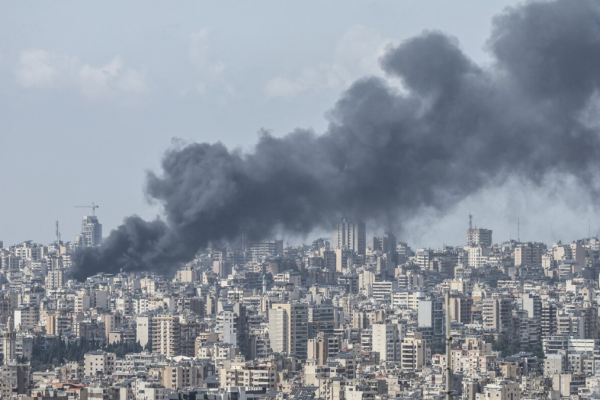
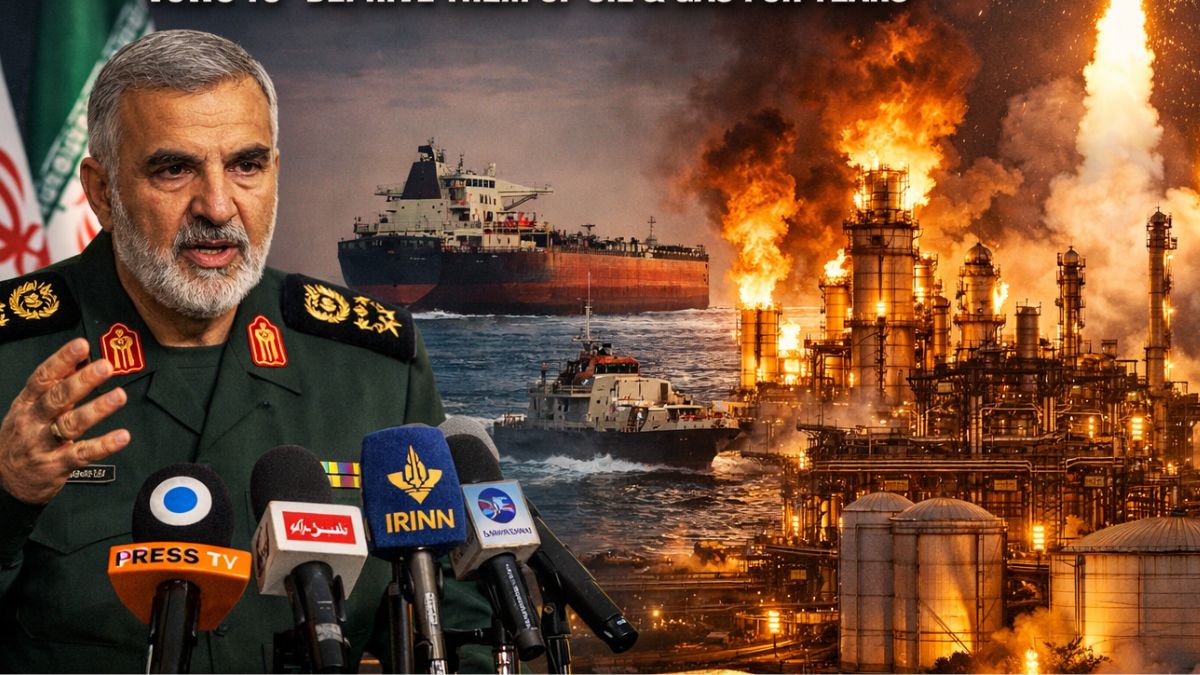
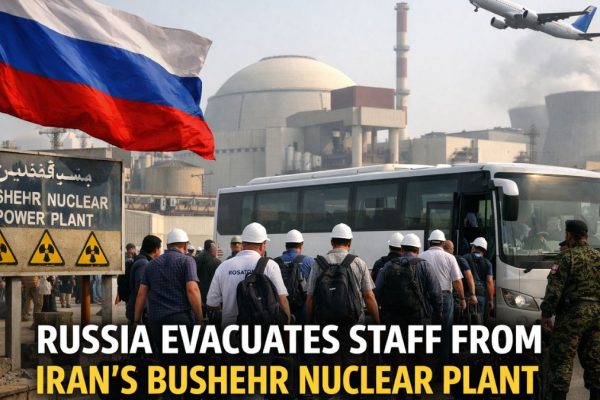
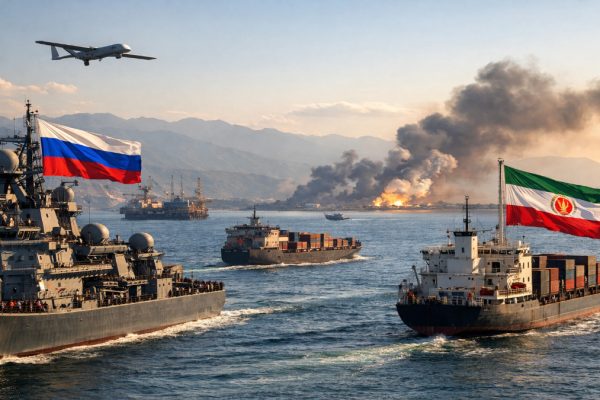
The warning comes in the context of escalating tensions linked to military operations involving the United States and Israel against Iran, developments that have already disrupted oil supply chains and triggered volatility across global energy markets. According to Birol, the coordinated reserve release already agreed by the agency represents the largest in the organisation’s history, yet member countries still retain substantial emergency reserves capable of stabilising the market if required.
The International Energy Agency was created in 1974 in the aftermath of the 1973 Oil Crisis, a period when global oil supply shocks exposed the vulnerability of industrialised economies to geopolitical instability in energy producing regions. The institution’s founding mandate established a cooperative framework through which member states could coordinate emergency responses to sudden disruptions in oil supply. Today the agency comprises thirty two member countries spanning Europe, North America, and parts of the Asia Pacific region.
At the heart of the agency’s legal architecture lies the obligation imposed on members to maintain strategic petroleum reserves. Under the governing framework of the organisation, participating countries must hold emergency oil stocks equivalent to at least ninety days of their net oil imports. These reserves are designed to function as a stabilisation mechanism, allowing governments to inject supply into the market during crises and thereby mitigate extreme price volatility.
Birol confirmed that the ongoing release of oil from strategic reserves has already placed roughly four hundred million barrels of crude into the global market. According to the agency’s estimates, the measure was adopted as oil prices began to spike following the outbreak of hostilities involving Iran. Even after the completion of this unprecedented release, however, IEA member states are expected to retain more than 1.4 billion barrels of emergency oil stocks.
From a legal and institutional standpoint, this figure is significant. It demonstrates that the reserve release mechanism has not exhausted the emergency safeguards embedded within the IEA system. Instead, the coordinated intervention has been structured in a manner that preserves sufficient stockpiles should further disruptions arise.
Birol emphasised that the current supply disruption already exceeds the scale of the shortages experienced during several historic oil crises. According to his assessment, the volume of oil currently offline from the market is higher than the supply losses recorded during the 1973 crisis and larger than many of the major disruptions that have occurred in the decades since. Such comparisons underscore the severity of the present geopolitical context and the importance of coordinated policy responses.
The strategic release of oil reserves by IEA members is not merely a technical economic measure but also a legal instrument embedded within international energy cooperation frameworks. When activated, the mechanism reflects collective decision making among governments that recognise their shared vulnerability to supply disruptions. In practice, this process requires coordination among national energy authorities, regulatory bodies, and commercial petroleum storage systems.
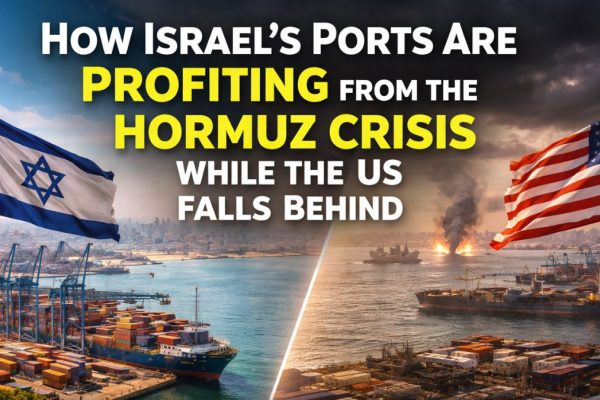
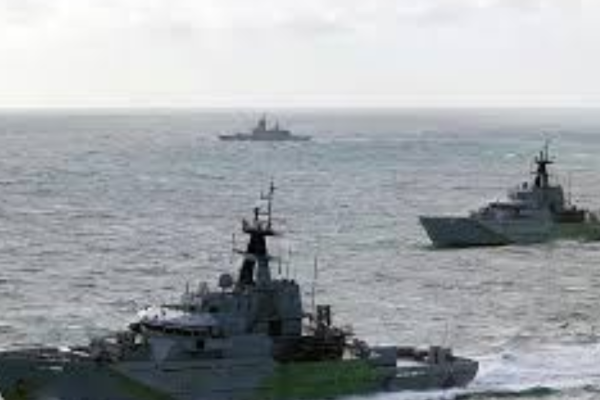
Energy market stability has also been influenced by the strategic importance of the Strait of Hormuz, one of the world’s most critical maritime energy corridors. Approximately one fifth of global oil and gas shipments pass through this narrow waterway linking the Persian Gulf with international shipping routes. Any disruption to traffic through the Strait therefore carries immediate consequences for global energy markets and international trade.
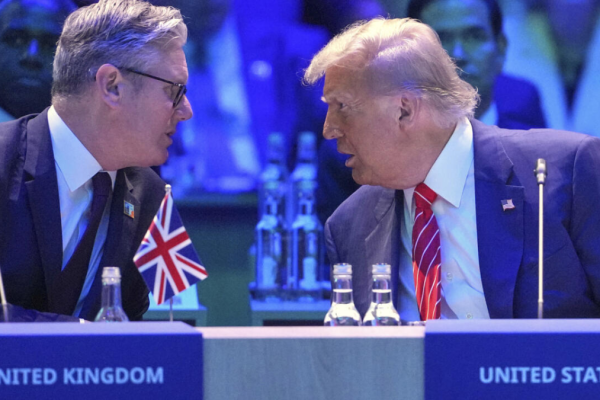
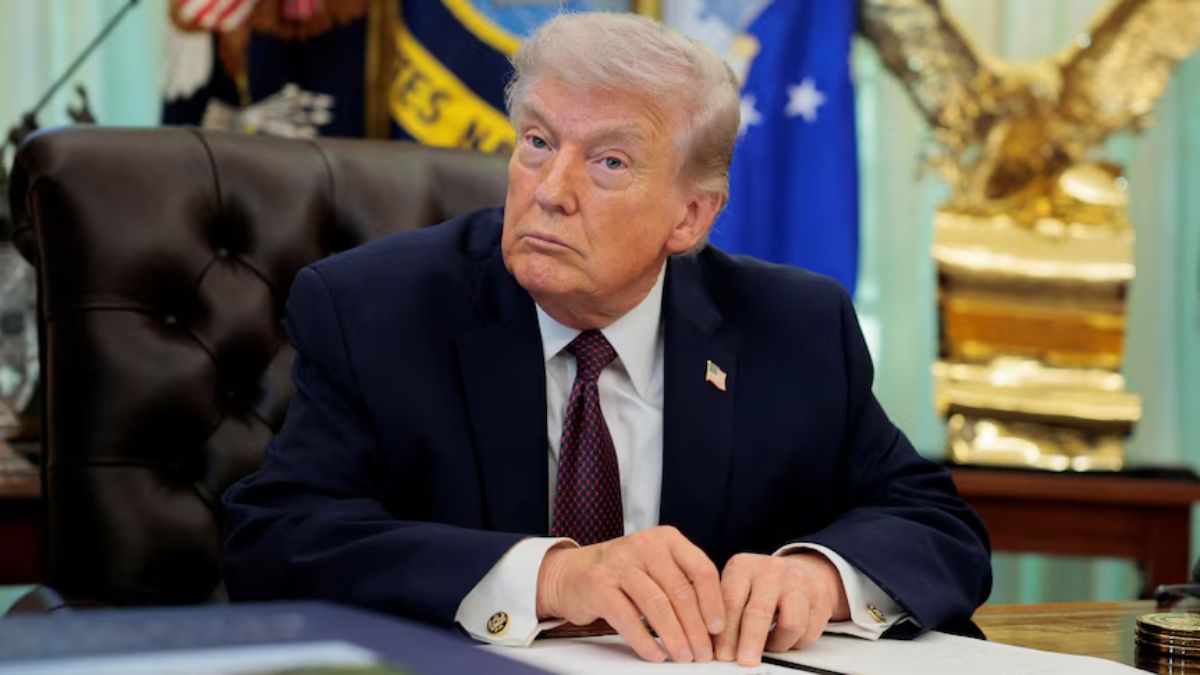
Recent statements by Donald Trump calling for coordinated global efforts to secure the waterway highlight the growing convergence between energy security and maritime security concerns. International law governing navigation through such strategic waterways is rooted in principles of freedom of transit and maritime safety, yet the increasing militarisation of regional conflicts often places those principles under strain.
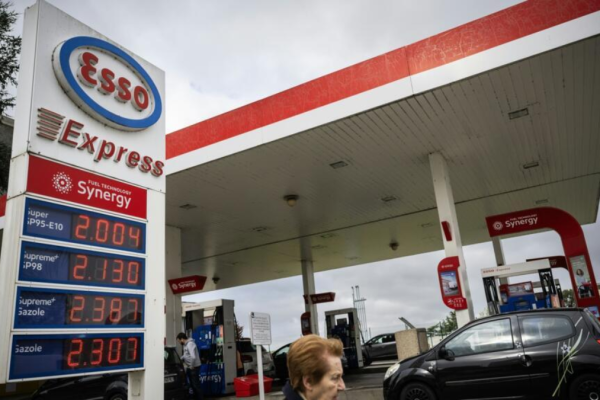
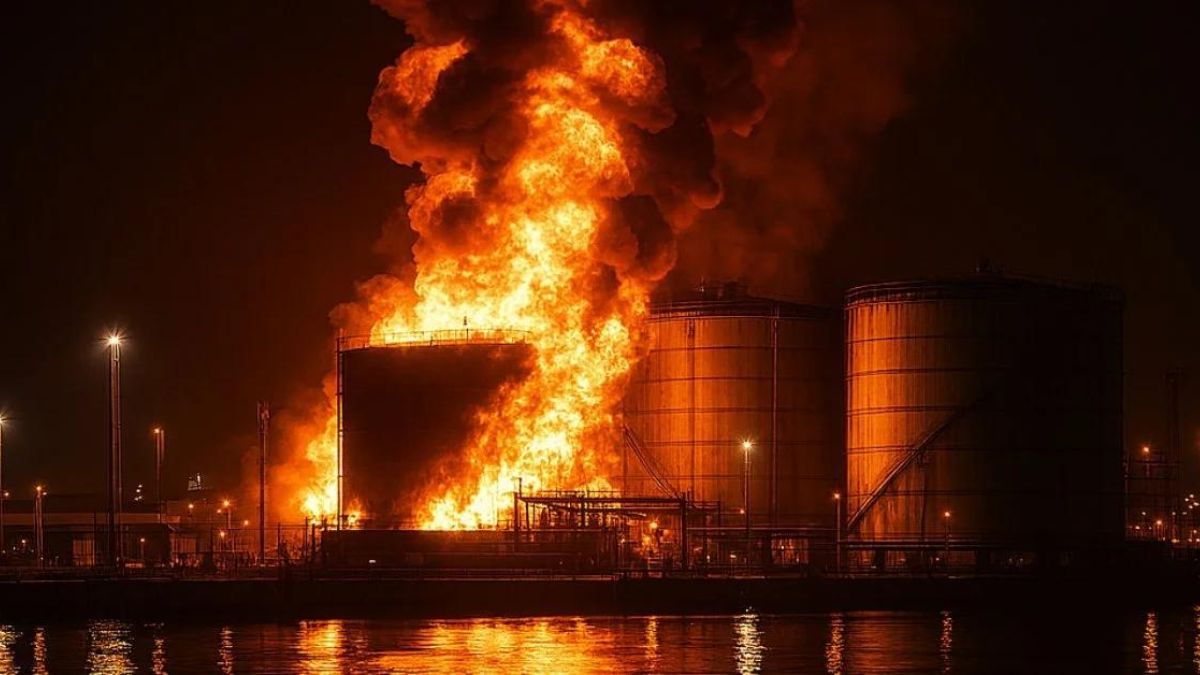
Market reactions to the unfolding situation have reflected the delicate balance between supply disruption and emergency policy intervention. Oil prices declined modestly during Monday trading despite continued attacks affecting Gulf energy infrastructure. Analysts attribute this stabilisation in part to the reassurance provided by the IEA’s willingness to release strategic reserves when necessary.
For legal observers, the episode illustrates the evolving role of international institutions in managing economic shocks that originate in geopolitical conflict. The IEA’s emergency stock release mechanism represents a rare example of binding energy security cooperation among industrialised economies. While the agency does not possess direct regulatory authority over global markets, its coordinated actions carry substantial influence over supply expectations and investor confidence.
The possibility of further reserve releases therefore remains a central component of the international response to the current energy crisis. Birol’s remarks suggest that the agency stands ready to activate additional measures should the supply disruption deepen or if price volatility threatens economic stability.
In the broader context of international economic law, the situation highlights how energy governance mechanisms established during the twentieth century continue to shape global responses to contemporary geopolitical crises. Strategic petroleum reserves, once conceived as a defensive measure against embargoes and political coercion, now function as a crucial stabilisation tool in a complex and interdependent energy system.
As tensions in the Middle East continue to reverberate across global markets, the legal and institutional frameworks governing energy security will likely remain under intense scrutiny. Whether additional releases of emergency reserves become necessary will depend on the trajectory of the conflict and the resilience of global oil supply chains. What remains clear, however, is that the mechanisms created in the aftermath of the 1973 oil crisis continue to play a pivotal role in safeguarding the stability of the international energy order.