The expanding war engulfing the Persian Gulf has produced many strategic consequences that dominate headlines across the world, including energy supply disruptions, missile exchanges and the risk of a wider regional conflagration. Yet behind the grand narratives of geopolitical rivalry lies a quieter but deeply human crisis unfolding across the region’s crowded shipping lanes. Thousands of merchant sailors, many of them Indian nationals, now find themselves trapped in one of the most dangerous maritime corridors on earth as drones, missiles and fighter aircraft transform the Strait of Hormuz into an active conflict zone. Among them is a twenty six year old Indian seafarer named Ambuj who has been stranded for more than two weeks aboard a vessel anchored near the Iranian port of Bandar Abbas while the war between Iran, the United States and Israel intensifies around him.

Ambuj’s story illustrates the precarious position of the global maritime workforce when geopolitical tensions erupt along vital trade routes. Having already spent six months away from home before the crisis escalated, he now waits anxiously with fifteen other crew members aboard a ship surrounded by more than fifty vessels that remain unable to safely navigate the Strait of Hormuz. For Ambuj and many others in similar circumstances the hope is painfully simple. They want to reach a nearby port, catch a flight and finally return to their families. Yet even that modest aspiration has become uncertain because commercial flights from Tehran remain suspended and shipping companies are reluctant to move vessels through waters that have become a battlefield. The situation confronting these sailors is not merely an isolated episode of maritime inconvenience. It reflects a structural vulnerability within the global shipping system that becomes painfully visible whenever strategic chokepoints fall into conflict. The Strait of Hormuz is the most critical energy corridor in the world. Roughly one fifth of the planet’s fossil fuel supply passes through this narrow waterway connecting the Persian Gulf with the Gulf of Oman and the wider Indian Ocean. When hostilities erupt in this region the consequences ripple instantly across shipping routes, insurance markets, energy supply chains and the safety of the crews who operate the vessels that sustain global trade.

For Indian sailors the stakes are particularly high because India remains one of the world’s largest suppliers of maritime labour. Government data indicates that more than three hundred thousand Indian seafarers work aboard commercial vessels across international fleets. Within the Gulf region alone approximately twenty three thousand Indians serve on merchant ships, harbour vessels and offshore energy platforms. These men and women form a critical component of the global shipping workforce and their labour underpins the continuous flow of oil, liquefied gas and manufactured goods that drive the international economy. Yet when conflict erupts they often become the most exposed actors in the maritime system.

The dangers have already proven deadly. Iranian attacks in the Strait of Hormuz have reportedly killed three Indian crew members while another remains missing. Such incidents have transformed the plight of Indian sailors into a significant political issue within India itself. The government in New Delhi has confirmed that it is actively coordinating with multiple authorities including officials in Iran in an attempt to guarantee the safety of Indian citizens working in the region. Diplomats and maritime authorities are working through complex logistical and security arrangements in order to secure safe transit routes or evacuation pathways for ships carrying Indian crews.

For those currently stranded the situation remains tense and unpredictable. Ambuj described how his vessel had originally planned to pass through the Strait of Hormuz en route to a destination in Southeast Asia. However early in March the ship’s captain received a warning transmitted via wireless communication from Iran’s Islamic Revolutionary Guard Corps. The message made it clear that attempting to pass through the strait could result in severe consequences. The crew immediately understood the gravity of the warning and halted their plans to continue the voyage. They initially believed clearance might eventually be granted once the security situation stabilised, but weeks later that permission has still not arrived.

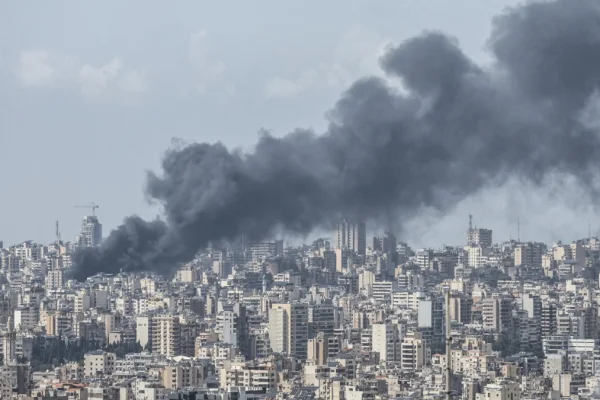
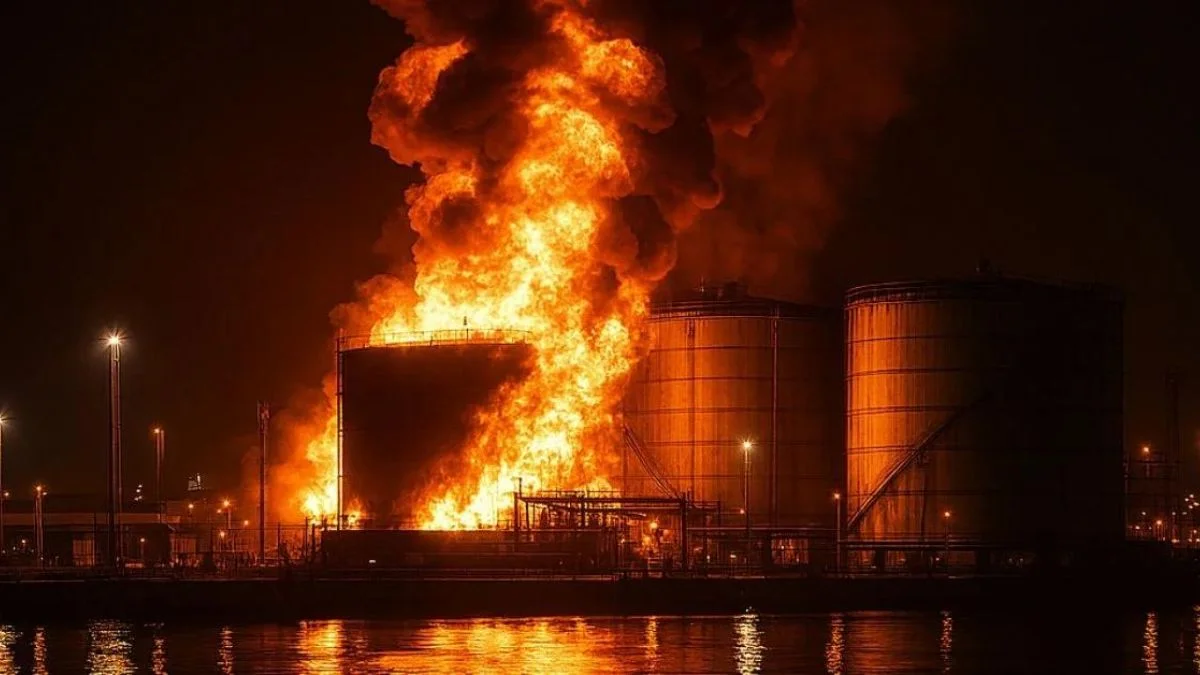
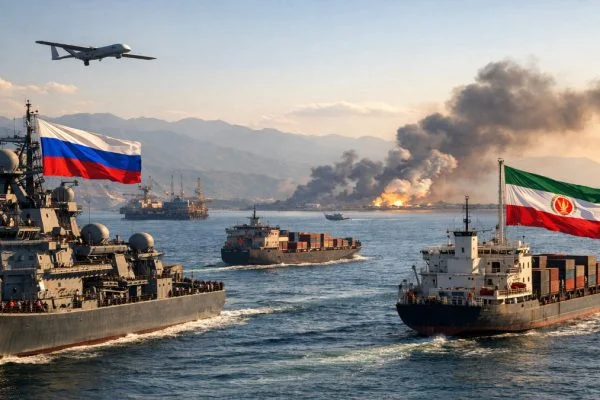
The psychological strain of waiting in such circumstances has begun to take a toll on sailors across the region. Another Indian crew member named M. Kanta described scenes that would test the nerves of even the most experienced mariner. From the deck of his ship he has witnessed drones and fighter jets crossing the skies overhead while sirens echo through the port areas. At one point the crew saw flames rising from a ship burning in the distance after an apparent attack. Such moments leave a lasting impression on sailors who know that their vessels could easily become the next target in a conflict where commercial shipping has increasingly become collateral damage.

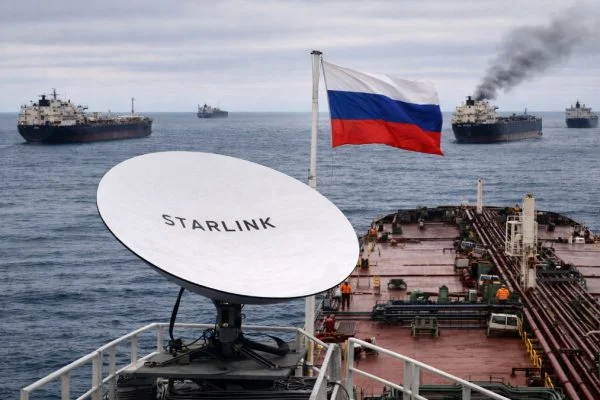
Communication difficulties have compounded the sense of isolation experienced by crews. Iranian authorities ordered the disconnection of Starlink satellite internet services in early March, cutting off one of the primary means by which sailors maintain contact with families and access reliable news. For days many crews were unable to communicate with loved ones or verify information about the unfolding war. The psychological impact of such communication blackouts cannot be overstated. For individuals stranded in a conflict zone the ability to speak with family members or access trusted information becomes a critical source of emotional stability. Fortunately some connectivity was later restored. Kanta explained that permission was granted to restart Starlink services after 6 March, allowing crews to re establish communication channels with their families. Nevertheless the sense of anxiety remains constant. According to Kanta every appearance of a drone or fighter jet overhead sends waves of dread through the ship as crew members wonder whether another strike is imminent. The tension has created an unusual daily routine aboard many vessels where sailors now pass time attempting to identify aircraft types or drone models passing through the skies above them. Another unnamed Indian sailor recounted a particularly frightening moment when his ship approached the entrance to the Strait of Hormuz while transporting cargo consisting of bitumen and crude oil to a South Asian destination. Only a few nautical miles from the strait he witnessed another vessel struck by a drone. The sight confirmed to the crew that they had entered one of the most dangerous maritime zones in the world. Since that moment sleep has become difficult as sailors remain constantly alert for warning signals or incoming aircraft.

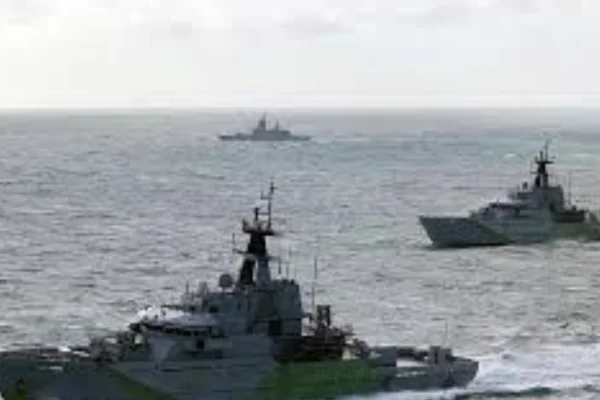
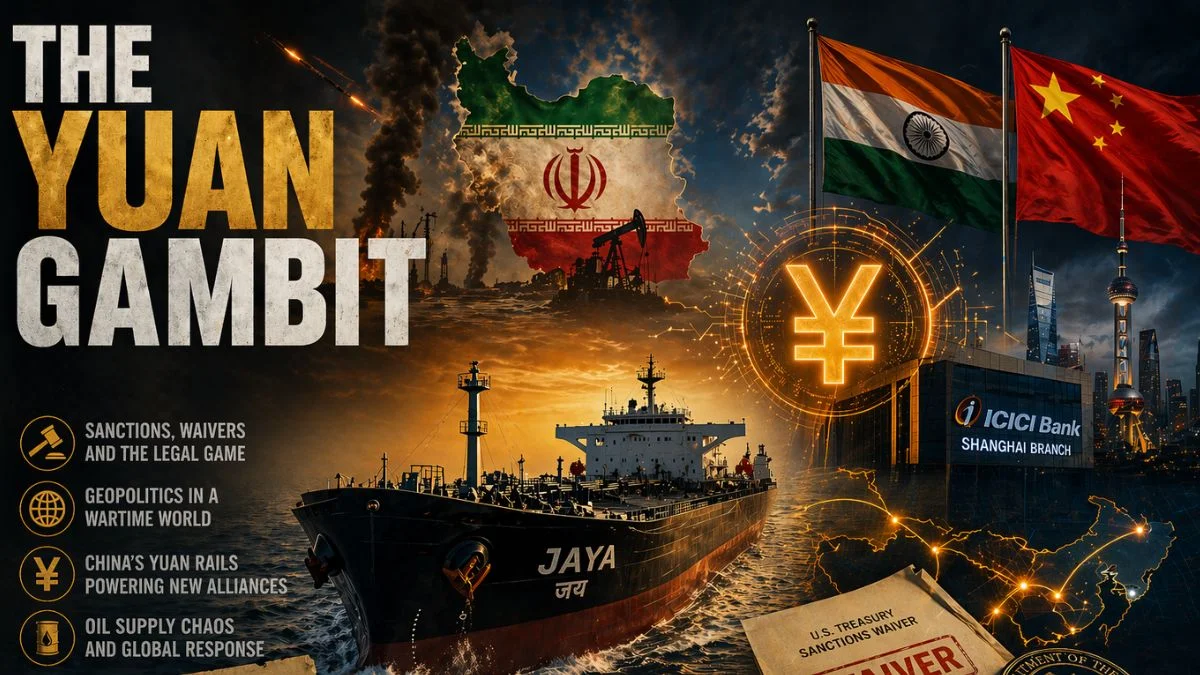
The strategic environment surrounding the Strait of Hormuz explains why commercial shipping has become so vulnerable. In times of conflict this narrow channel transforms into both a military chokepoint and an economic weapon. Control over the strait offers leverage over global energy markets because any disruption can dramatically influence oil prices and shipping insurance costs. Iran has historically viewed the possibility of restricting access to the waterway as a strategic tool that can be deployed in response to external pressure. At the same time Western naval forces consider freedom of navigation through the strait to be a non negotiable principle essential to maintaining global trade flows. Caught between these competing strategic calculations are the merchant crews whose ships must physically pass through the contested waters. Unlike naval vessels equipped with advanced defensive systems, commercial tankers and cargo ships possess limited ability to protect themselves from missiles or drones. Their safety therefore depends heavily on diplomatic arrangements, naval escorts and the willingness of regional powers to avoid targeting civilian shipping. When those conditions deteriorate the risk to crews rises dramatically. Recent developments suggest that diplomatic efforts may offer limited relief for some vessels. Iran has reportedly allowed two Indian flagged liquefied petroleum gas carriers to transit through the Strait of Hormuz, signalling a willingness to permit certain ships to pass despite the broader conflict. Iran’s ambassador to India Mohammad Fathali has also confirmed that safe passage arrangements are being discussed for Indian vessels operating in the region. Such gestures appear designed to maintain diplomatic goodwill with New Delhi while avoiding the perception that Iran is deliberately endangering civilian seafarers.

However these assurances have not yet translated into widespread movement for the hundreds of vessels currently waiting in or near the strait. Maritime tracking services show that tankers and cargo ships remain clustered in holding patterns across the Gulf while companies evaluate the risks of continuing voyages. Insurance premiums for vessels operating in the region have surged as underwriters attempt to price the possibility of war related damage or loss. Some shipping firms have temporarily suspended routes through the strait altogether, further complicating evacuation options for crews hoping to reach safer ports.

For India the unfolding crisis presents both a humanitarian challenge and a diplomatic test. The country’s economy depends heavily on maritime trade and energy imports that pass through the Gulf. At the same time the safety of Indian seafarers working abroad carries enormous political sensitivity at home. Ensuring their protection requires delicate coordination with multiple governments involved in the conflict as well as with shipping companies and international maritime organisations.

From a broader international relations perspective the plight of these sailors highlights a recurring reality of globalisation. The infrastructure of international trade often relies on workers who operate far from the political decisions that determine their safety. Merchant seafarers rarely influence the strategic calculations of governments or military alliances, yet they are frequently among the first civilians exposed to danger when conflicts disrupt major trade routes. Their vulnerability reveals how the interconnected systems of commerce and geopolitics place individual lives at risk whenever tensions escalate along critical maritime corridors.