For decades the modern financial system has depended on a quiet but immensely powerful force that rarely receives sustained public scrutiny. Trillions of dollars generated from the sale of oil and natural gas in the Gulf have been recycled into global capital markets through sovereign wealth funds that invest in everything from infrastructure and real estate to technology companies and government bonds. These funds have become among the most influential institutional investors on earth, shaping financial markets across North America, Europe and Asia. Yet as the geopolitical confrontation surrounding Iran intensifies and the security environment of the Persian Gulf grows increasingly volatile, a profound question is beginning to circulate within the most sophisticated corners of global finance. What would happen if the sovereign wealth funds of the Gulf began withdrawing large portions of their overseas capital in order to stabilise their domestic economies or prepare for regional crisis scenarios.

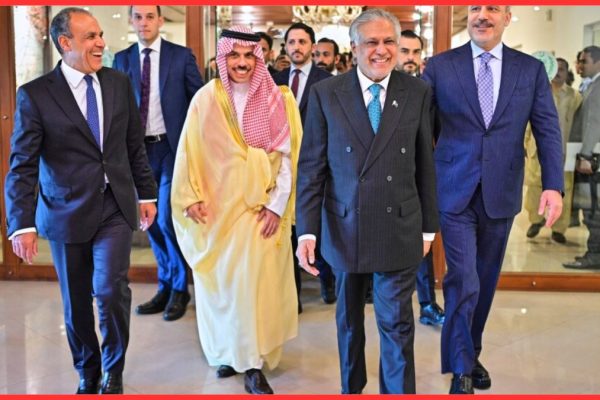
The implications of such a move would be immense. The sovereign wealth funds controlled by Gulf governments collectively manage assets that are widely estimated to exceed four trillion dollars. These funds were created over decades as oil producing states accumulated enormous fiscal surpluses during periods of high energy prices. Rather than leaving this wealth idle within domestic banking systems, governments channelled revenues into globally diversified portfolios designed to preserve value for future generations while generating long term investment returns. The result was the emergence of some of the largest state owned investment vehicles in modern history. Among the most prominent institutions in this landscape are funds associated with Gulf monarchies such as the Abu Dhabi Investment Authority, the Public Investment Fund, the Qatar Investment Authority and the Kuwait Investment Authority. Each of these entities manages hundreds of billions of dollars in assets distributed across global equity markets, private equity firms, real estate portfolios, infrastructure projects and sovereign bond holdings. Their capital underpins office towers in London and New York, logistics hubs in Europe, technology ventures in Silicon Valley and transport networks across Asia.

For many years this vast recycling of petrodollars into international markets functioned as a stabilising force within the global financial system. Gulf sovereign wealth funds became reliable long term investors with the capacity to deploy enormous capital during periods of economic turbulence. Their investments helped recapitalise Western banks during the financial crisis of two thousand and eight and provided liquidity to struggling sectors of the global economy. Financial institutions across the West have therefore come to regard Gulf sovereign funds not merely as investors but as essential pillars of international capital flows.

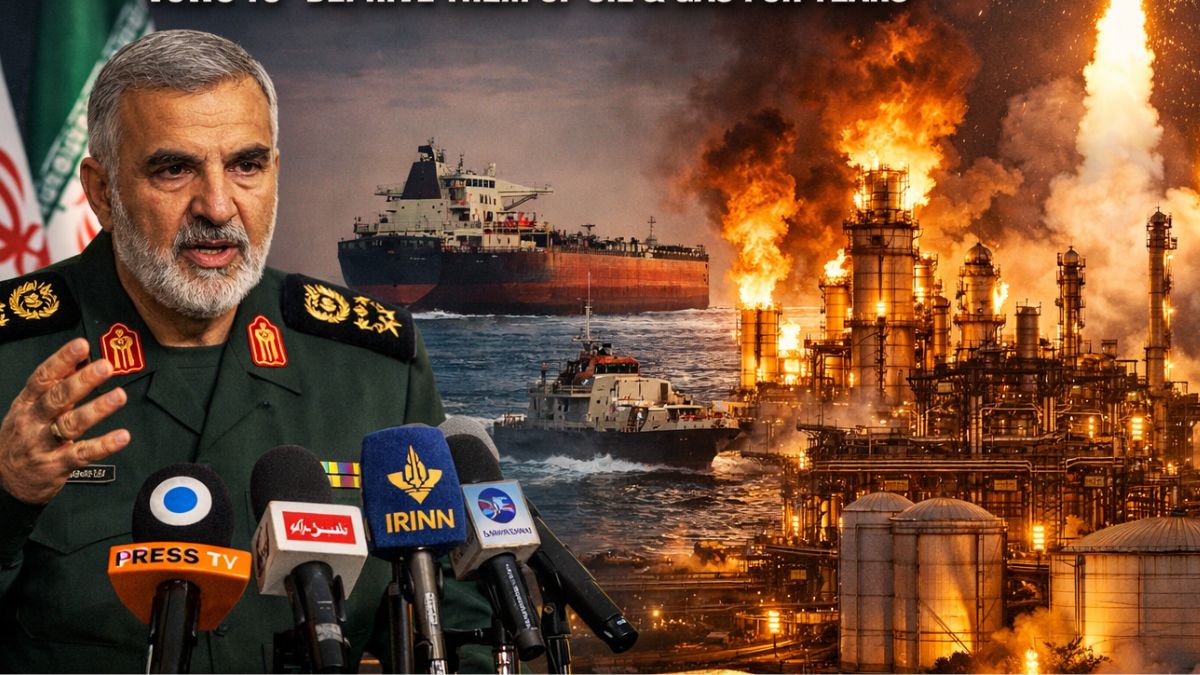
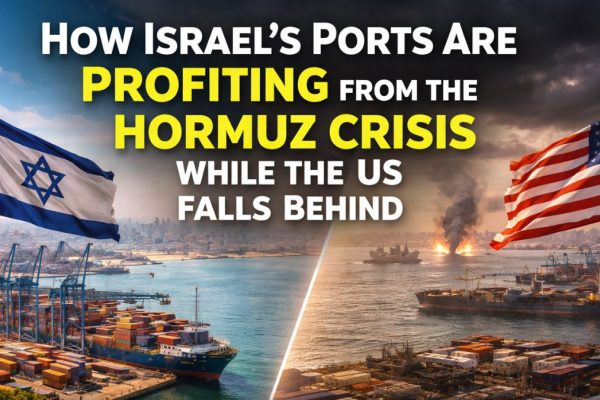
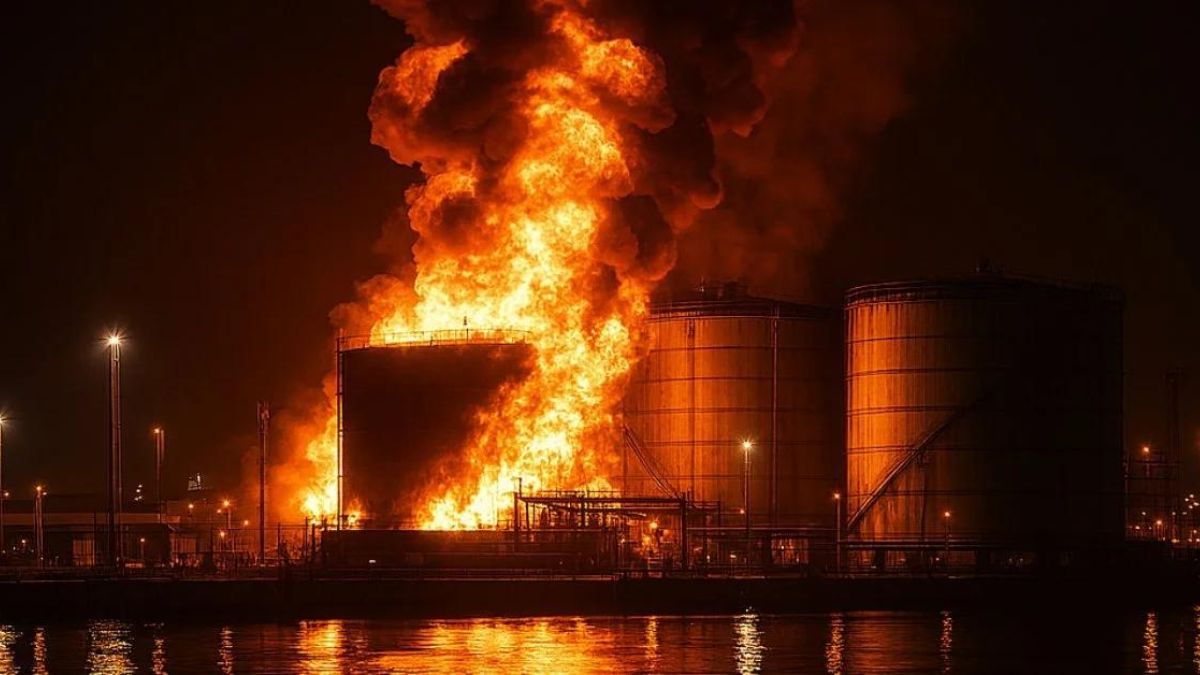
Yet the stability of this arrangement rests on a delicate geopolitical foundation. The fiscal model of Gulf states depends heavily on uninterrupted hydrocarbon exports and the security architecture that protects the region’s energy infrastructure. When that architecture comes under threat the strategic priorities of sovereign wealth funds can shift rapidly. In moments of crisis governments may require vast quantities of capital to defend currency pegs, finance emergency fiscal programmes, stabilise domestic banking systems or accelerate defence spending. Under such conditions sovereign funds can transform from outward looking investors into instruments of national economic security. The present geopolitical environment surrounding Iran has revived precisely these concerns. Military confrontation involving the United States, Israel and Iran has introduced an unprecedented level of uncertainty into the strategic calculus of Gulf governments. Energy infrastructure across the region lies within range of missile and drone capabilities developed by Iranian forces and their allied networks. Even limited disruptions to shipping through the Strait of Hormuz could dramatically affect oil revenues, which remain the primary source of government income for most Gulf states.

Within this context financial analysts have begun examining whether Gulf sovereign wealth funds may quietly be preparing contingency plans for large scale capital repatriation. Such preparations would not necessarily be announced publicly, yet subtle signals can emerge through shifts in portfolio allocations, changes in liquidity management strategies and increased emphasis on domestic investment initiatives. The strategic logic behind such moves is straightforward. If regional instability threatens fiscal stability, governments may wish to ensure that a larger share of their national wealth remains immediately accessible within their own financial systems.

The consequences of a large scale withdrawal of Gulf capital from global markets would be felt across numerous sectors. Sovereign wealth funds from the region hold significant stakes in major European financial institutions, commercial property developments and infrastructure assets. They also maintain extensive investments in global equity markets through both direct holdings and partnerships with private asset managers. Even a partial reallocation of these portfolios toward domestic priorities could create substantial volatility in asset prices. The most immediate impact would likely be felt in property markets that have benefited from decades of Gulf investment. Cities such as London, Paris and New York have attracted substantial capital from sovereign funds seeking stable real estate assets in politically secure jurisdictions. Office towers, luxury hotels and retail complexes across these metropolitan centres are partly owned by Gulf investors. Should these funds begin liquidating assets to repatriate capital, commercial property valuations could face sudden downward pressure.

Global equity markets would also experience turbulence. Sovereign wealth funds from the Gulf maintain extensive holdings in publicly traded companies across sectors ranging from banking to technology. These positions are typically structured as long term investments, yet they remain liquid enough to be reduced if strategic conditions require. Large scale selling by sovereign funds could amplify market volatility at a moment when investors are already grappling with geopolitical uncertainty and fluctuating energy prices. Another area of vulnerability lies within the global market for government bonds. Gulf sovereign wealth funds have historically invested significant portions of their portfolios in highly rated sovereign debt issued by Western governments. These holdings provide stable returns while helping to anchor the international demand for government securities. A sudden reduction in these positions could increase borrowing costs for major economies by weakening demand in bond auctions and secondary markets. Beyond the immediate market effects, the strategic implications of capital repatriation by Gulf funds would extend into the architecture of international finance itself. The recycling of oil revenues into global investments has been a central mechanism through which petrodollar surpluses have been integrated into the global economic system. If geopolitical tensions prompt Gulf governments to redirect capital toward domestic infrastructure, defence spending or regional development initiatives, the pattern of global capital flows could shift in ways that reshape financial markets for years. There are historical precedents that illustrate how sovereign wealth funds can adapt rapidly to changing strategic environments. During the oil price collapse of two thousand and fourteen several Gulf governments drew upon sovereign wealth assets to finance budget deficits created by falling energy revenues. More recently the economic disruptions triggered by the global pandemic required sovereign funds to support domestic fiscal programmes and maintain economic stability within their home countries. These episodes demonstrate that sovereign wealth funds function not merely as investment vehicles but as strategic reserves of national wealth capable of being mobilised during emergencies.

The current geopolitical climate introduces additional factors that could accelerate such mobilisation. Military conflict involving Iran carries the potential to disrupt shipping routes, damage energy infrastructure or trigger wider regional instability. Each of these scenarios would place enormous financial pressure on Gulf states, which rely on hydrocarbon exports to sustain their economic models. In such circumstances sovereign wealth funds represent the most readily available source of liquidity capable of supporting government responses.

Financial markets are therefore confronted with a paradox that few observers fully appreciate. The same sovereign wealth funds that have helped stabilise global capital markets for decades may also possess the capacity to generate significant disruption if geopolitical conditions compel them to reallocate their resources. The possibility of a trillion dollar scale withdrawal of investment capital is not a theoretical abstraction but a scenario that financial planners must consider whenever regional security deteriorates.

For policymakers in Western capitals the stakes are particularly high. Governments that have grown accustomed to the steady inflow of Gulf investment must now contemplate a future in which those funds prioritise domestic resilience over global diversification. Such a shift could expose structural weaknesses within property markets, infrastructure financing arrangements and corporate capital structures that have become dependent on sovereign wealth participation. Ultimately the unfolding tensions surrounding Iran reveal a deeper truth about the interconnected nature of geopolitics and global finance. Capital does not move in isolation from strategic realities. When the security environment of a region changes, the investment behaviour of states changes with it. Sovereign wealth funds are not passive market actors but instruments through which governments safeguard their economic futures.

If the crisis in the Persian Gulf continues to intensify, the world may soon witness one of the largest reallocations of sovereign capital in modern financial history. Trillions of dollars that have quietly supported global markets for decades could begin flowing back toward the region that generated them. Such a development would not simply reflect the financial decisions of investment managers. It would represent a strategic response by states confronting the uncertain consequences of a volatile geopolitical landscape. In the end the most consequential shock to global finance may not arrive through collapsing stock markets or sudden interest rate shifts. It may emerge through a quieter process as the guardians of the Gulf’s immense sovereign wealth decide that the safest place for their capital in a dangerous world is closer to home.