At a moment when the stability of the global energy system is once again being tested by geopolitical conflict in the Middle East, the world has witnessed a remarkable and deeply unsettling twenty four hours in international oil markets. The sudden rise and subsequent sharp fall in crude prices following statements by Donald Trump about the war involving Iran and Israel has exposed just how fragile the global economic order has become when the world’s most critical commodity is held hostage to political rhetoric and military escalation. For governments, investors and policy makers across continents, the events surrounding the latest surge and collapse in oil prices have served as a stark reminder that modern energy security remains dangerously intertwined with the volatile geopolitics of the Persian Gulf.
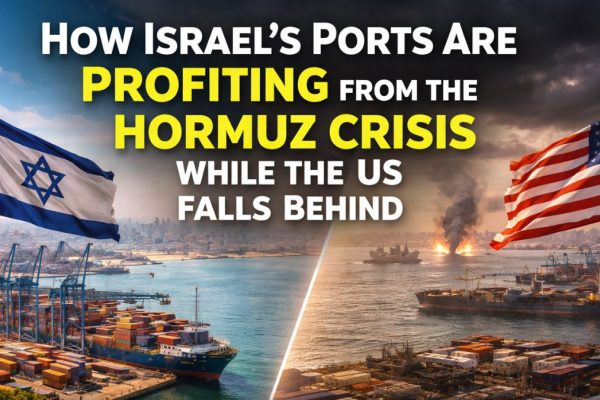
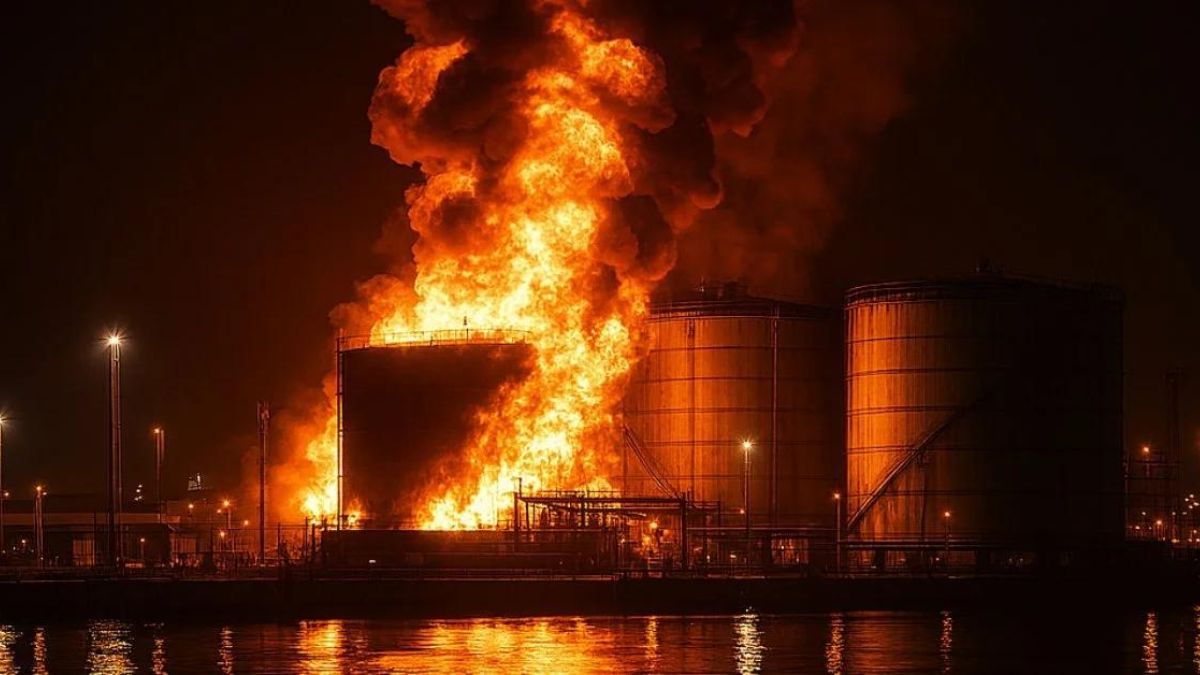
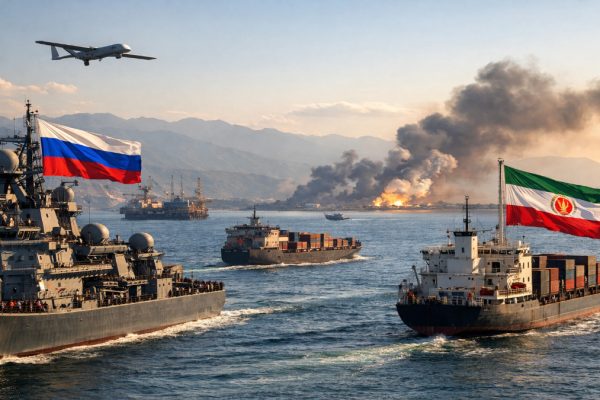
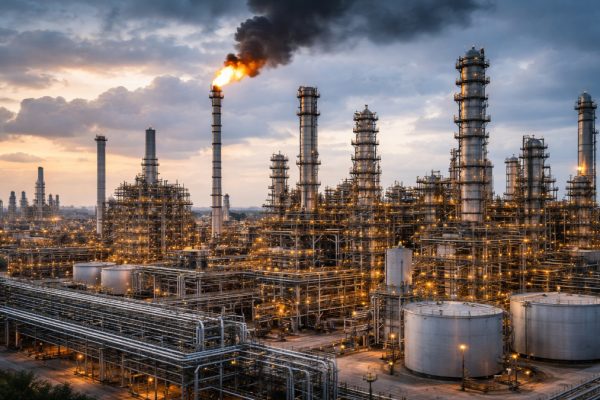
The extraordinary volatility began when crude prices surged to levels not seen in four years. Brent crude, the benchmark that anchors much of the international oil trade, soared to as high as one hundred and nineteen dollars and fifty cents per barrel on Monday as fears intensified that the escalating war involving Iran could trigger a severe disruption to global energy supply. Financial markets reacted immediately to the possibility that the conflict might choke one of the most strategically vital maritime corridors on the planet, the Strait of Hormuz, through which roughly a fifth of the world’s seaborne oil and liquefied natural gas shipments typically pass each day. Such fears are not hypothetical. The strait has effectively been closed for a week amid escalating hostilities and threats from Tehran, amplifying concerns among energy traders and national governments that the conflict could spiral into a full scale disruption of global energy flows. In modern economic terms the Strait of Hormuz functions as a critical artery of the international energy system. Any sustained interruption in traffic through this narrow channel has the capacity to send shockwaves through global markets, raising fuel prices for industries, governments and consumers from Europe to Asia.
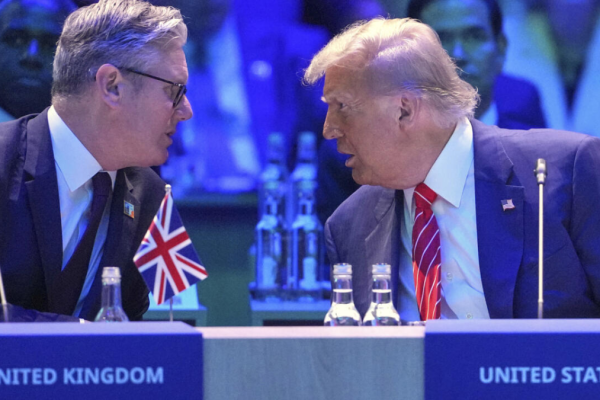
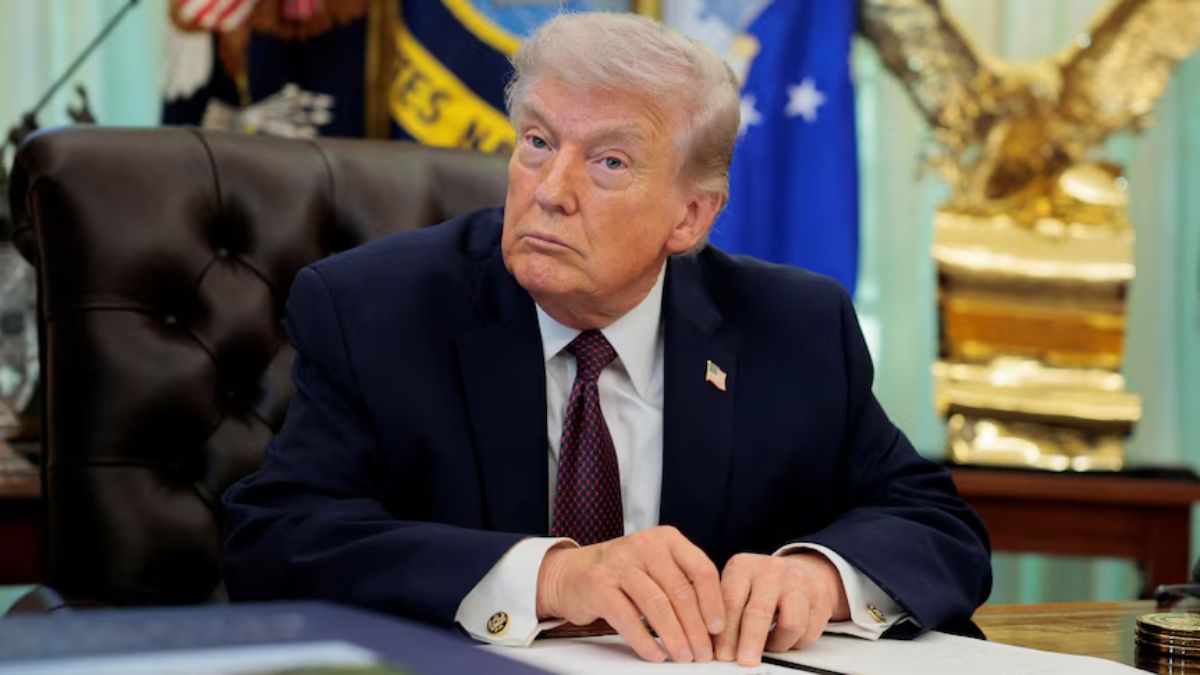
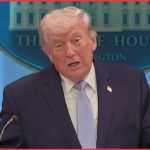
Against this background the comments made by President Trump carried enormous weight. Speaking in an interview with CBS News, the American leader suggested that the military campaign against Iran could conclude “very soon” and described the war as “very complete, pretty much”. These remarks were interpreted by investors as a signal that the worst case scenario of prolonged conflict and sustained disruption to oil supply might be avoided. The reaction in markets was swift and dramatic. Within hours Brent crude collapsed to ninety one dollars and fifty eight cents per barrel, wiping out a large portion of the price spike that had dominated trading earlier in the day.
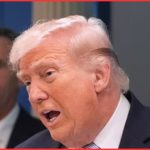
Trump himself appeared keen to minimise the earlier surge in oil prices, remarking that the increase had been “probably less than I thought they’d go up”. Yet the initial reassurance offered by his interview was soon overshadowed by a series of statements delivered later in the day that appeared to contradict the impression that the war might be nearing its conclusion. After markets had already closed, the president issued remarks suggesting that the conflict could continue despite earlier suggestions of a swift end. Declaring that the United States had “won in many ways” but “not enough”, Trump revived uncertainty about the ultimate direction of the military campaign and the potential for further escalation in the region. Compounding the uncertainty were statements made by Trump through social media in which he warned Iran that any attempt to disrupt oil shipments through the Strait of Hormuz would provoke an overwhelming military response. Writing in emphatic terms, the president declared that if Iran stopped the flow of oil through the strait the country would be struck by the United States “twenty times harder” than it had been hit so far. The warning underscored the strategic significance of the waterway while simultaneously highlighting the fragile balance between deterrence and escalation in a region where military miscalculations have historically triggered broader conflicts.
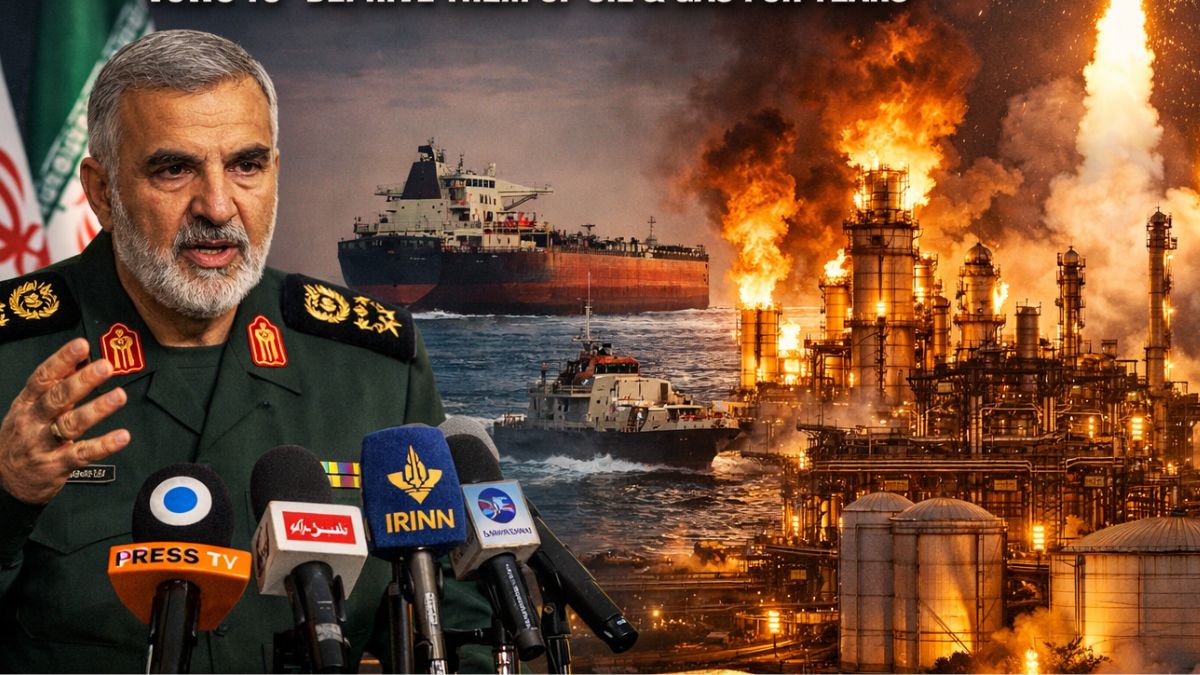
Tehran responded with its own stark warning. According to reports carried by Iranian state media, a spokesperson for the regime’s powerful Islamic Revolutionary Guard Corps declared that if American and Israeli attacks continued, Iran would ensure that “not one litre of oil” would leave the region. The threat illustrates the strategic leverage that Iran believes it possesses in any confrontation involving energy supply routes. By signalling its willingness to disrupt the Strait of Hormuz, Tehran is effectively reminding global markets that its geographic position provides a powerful tool capable of inflicting economic pain far beyond the immediate battlefield.
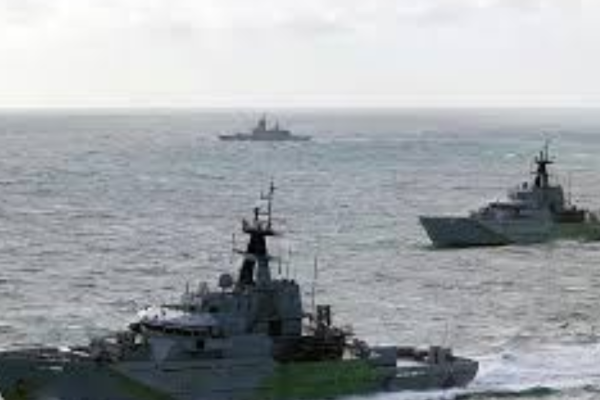
The geopolitical significance of the strait explains why European leaders have already begun exploring measures to safeguard commercial shipping. Emmanuel Macron, the president of France, indicated that several countries might deploy naval vessels to escort container ships and oil tankers once the most intense phase of the conflict subsides. Such escort operations have precedent in modern maritime security practice and reflect the recognition among Western governments that the protection of energy supply routes is a strategic priority with global economic implications. Despite the sharp fall from Monday’s peak, global oil prices remain significantly higher than they were only a few weeks earlier. This persistent elevation reflects the continuing uncertainty surrounding the conflict and the possibility that further military escalation could again threaten energy supply lines. Energy markets operate not only on the basis of current supply but also on expectations of future disruption. As long as the war involving Iran continues to generate uncertainty regarding the security of shipping routes and production facilities, oil prices are likely to remain vulnerable to sudden spikes triggered by new developments.
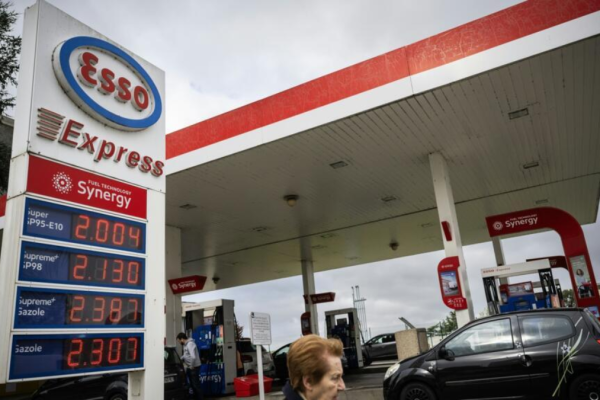
The economic consequences of this volatility have already begun to ripple through national economies. Governments across Europe and Asia have been forced to consider emergency measures designed to cushion their populations against rising fuel costs and potential shortages. In Croatia and Hungary authorities have introduced price caps on fuel in an effort to stabilise domestic markets. Similar interventions have been implemented in South Korea and Thailand as governments attempt to protect consumers from the cascading effects of higher energy prices.
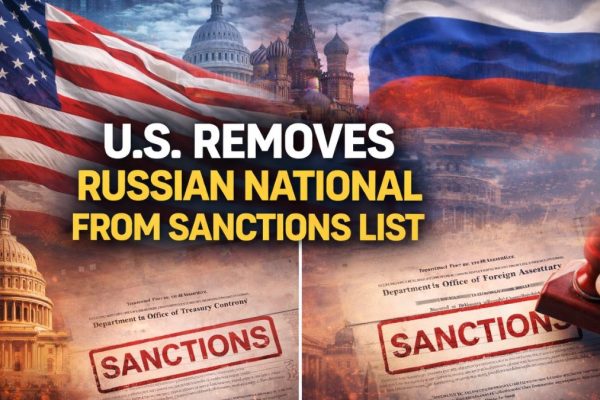
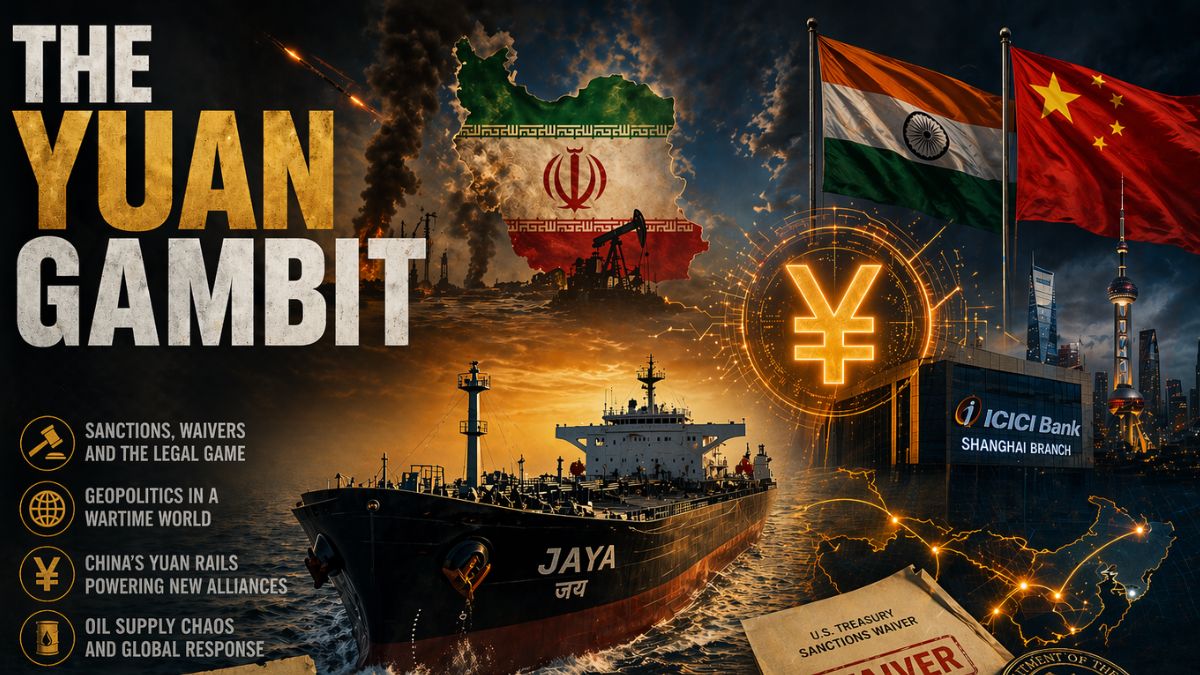
Elsewhere the response has taken the form of austerity style conservation measures. The government of the Philippines has ordered public officials to reduce air conditioning usage and limit official travel in order to conserve electricity and fuel. Meanwhile Bangladesh has taken the extraordinary step of closing all universities and bringing forward the Eid al Fitr holidays as part of emergency efforts to manage energy consumption during the crisis. Such measures illustrate how geopolitical conflict thousands of kilometres away can rapidly translate into domestic economic challenges for countries across the developing world. Another dimension of the unfolding crisis concerns the complex web of economic sanctions that the United States has used as a tool of geopolitical pressure. Trump revealed that Washington is prepared to temporarily waive certain oil related sanctions in order to stabilise markets while the Strait of Hormuz remains effectively closed. Although he did not explicitly name Russia, the announcement came shortly after a conversation between Trump and the Russian president Vladimir Putin. Such a move carries significant geopolitical implications because the United States has previously attempted to restrict Russian oil exports as part of efforts to pressure Moscow over its war in Ukraine.
Indeed the Trump administration had only recently permitted Indian refiners to purchase Russian oil for thirty days, a policy shift that occurred barely a month after the president claimed that India had agreed to halt such purchases entirely. Trump had previously argued that cutting off India’s purchases of Russian oil would weaken Moscow’s ability to finance its war effort and thereby help bring the conflict in Ukraine to an end. The sudden willingness to relax sanctions now introduces new complexity into an already intricate geopolitical landscape in which energy policy intersects with war, diplomacy and economic strategy.
For experts in international political economy the episode offers a striking illustration of how modern energy markets have become deeply entangled with geopolitical signalling. Oil prices are no longer driven solely by traditional factors such as production levels or consumption demand. Instead they react instantly to political statements, military developments and diplomatic manoeuvres. In such an environment even a brief comment from a head of state can trigger billions of dollars in market movement within hours.
The broader strategic lesson emerging from the latest turmoil is that the global economy remains profoundly vulnerable to instability in the Middle East. Despite decades of efforts to diversify energy supplies and expand alternative sources, the region continues to occupy a central role in the architecture of global energy security. As long as vast quantities of oil and gas must pass through narrow maritime chokepoints such as the Strait of Hormuz, the possibility that conflict might disrupt these routes will continue to haunt international markets. For now the temporary decline in oil prices following Trump’s attempt to reassure investors has offered a brief moment of relief. Yet beneath the surface the structural risks remain firmly in place. The war involving Iran has not ended. The Strait of Hormuz remains under threat. Energy markets remain anxious. And the world economy continues to operate under the shadow of a geopolitical confrontation capable of igniting a much larger crisis.
In the delicate balance between war, diplomacy and global energy supply, it has become clear that markets are now responding not only to events on the battlefield but also to the words of leaders whose statements can either calm or destabilise the entire international economic system. Whether the recent fall in oil prices proves to be a lasting correction or merely a temporary pause in a far more turbulent cycle will depend on how the conflict unfolds in the days and weeks ahead. What remains undeniable is that the world has once again been reminded that the stability of the global economy can hinge upon the fate of a narrow stretch of water in the Persian Gulf and the unpredictable rhetoric of the leaders who seek to control it.