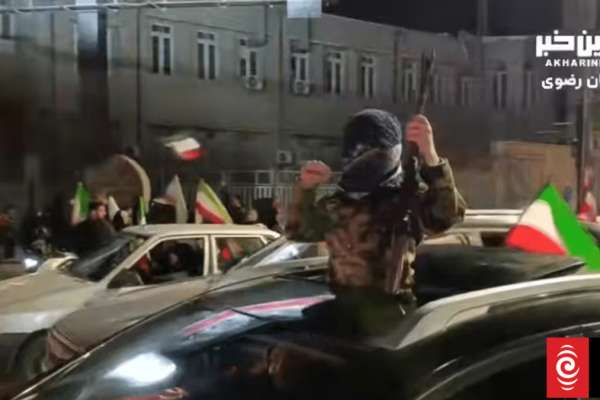
The elevation of Mojtaba Khamenei to the position of supreme leader of Iran, following the assassination of his father Ayatollah Ali Khamenei, represents far more than a routine succession within the Islamic Republic’s power structure. It signals the consolidation of conservative clerical authority during one of the most volatile periods in the country’s modern history. At the same time, the decision exposes profound ideological contradictions within a revolutionary system that was founded in 1979 on the rejection of hereditary rule. The Islamic Revolution promised the dismantling of monarchical power structures that had dominated Iranian politics for centuries, yet the rapid installation of the supreme leader’s son now risks appearing indistinguishable from the dynastic politics the revolution originally denounced. Within hours of Mojtaba Khamenei’s appointment, state aligned media circulated archival footage portraying him as a seventeen year old volunteer on the front lines of the Iran Iraq war. The release of these images was clearly designed to construct a narrative of revolutionary legitimacy and personal sacrifice, attempting to position the new leader within the mythological framework of the Islamic Republic’s founding struggle. Yet the carefully curated symbolism masks a far more complex reality. Mojtaba Khamenei’s rise was neither organic nor broadly consensual across Iran’s political spectrum. Instead, it appears to have been orchestrated through the decisive influence of the Islamic Revolutionary Guards Corps, the powerful military and economic institution that has increasingly become the backbone of the regime’s survival.

For Iran’s reformist and pragmatic political factions the development represents a decisive strategic defeat. Figures associated with the reformist camp, including former president Hassan Rouhani, had argued that wartime conditions demanded institutional restraint rather than rapid succession. Rouhani publicly questioned whether the Assembly of Experts should proceed with selecting a new supreme leader at a time when the country faced an escalating military confrontation and widespread internal disruption. In his view, announcing a permanent successor during an active conflict risked diverting public attention away from what he described as the sacred defence of the nation.

The Assembly of Experts, an eighty eight member clerical body constitutionally mandated to select and supervise the supreme leader, became the central theatre of this debate. Reformists argued that such a momentous decision required a full in person session of the assembly, allowing members to deliberate openly and assess alternative candidates. Mojtaba Khamenei’s supporters rejected this demand outright, citing the security risks associated with gathering senior clerics in one location during wartime. Instead, the assembly’s secretariat declared that consensus had effectively been reached without requiring a physical meeting. The procedural shortcut allowed the succession to occur with remarkable speed, raising further concerns about transparency and institutional legitimacy.

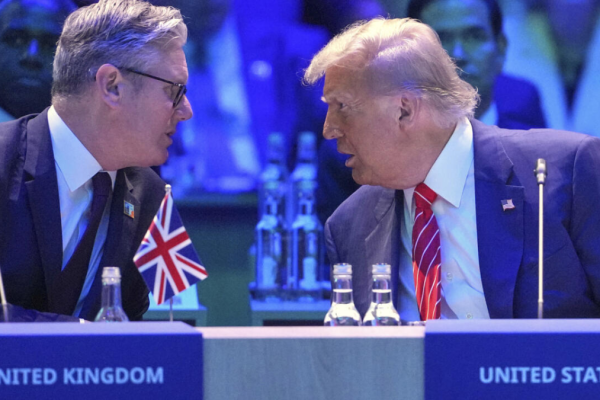
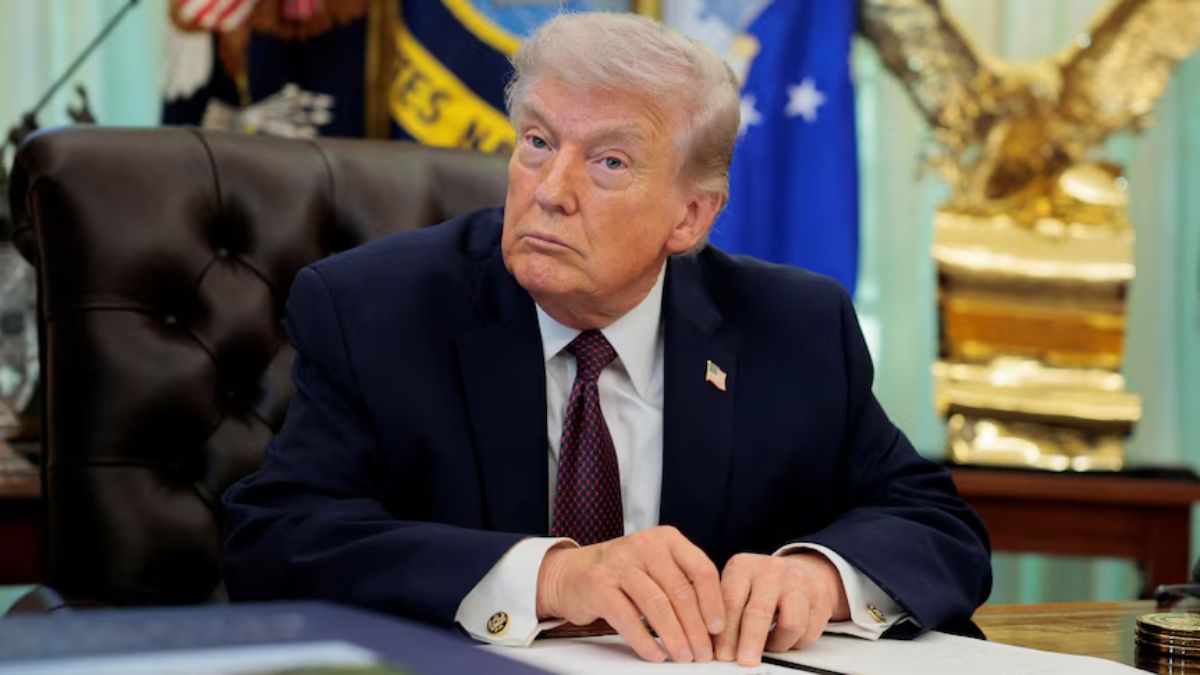
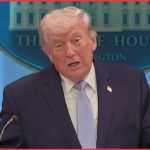
Hossein Ali Eshkevari, a member of the council tasked with selecting the new leader, encapsulated the ideological framing of the decision when he declared shortly before the official announcement that the name of Khamenei would continue. That statement was revealing not merely as an expression of loyalty but as an admission that continuity itself had become the regime’s overriding priority. For the Islamic Revolutionary Guards Corps and other conservative institutions embedded within the state apparatus, the preservation of the Khamenei political lineage appears to have been judged less risky than opening a potentially destabilising succession battle among competing clerical factions. International reaction has been swift and predictably hostile. Donald Trump, the president of the United States, had already labelled Mojtaba Khamenei an unacceptable successor even before the appointment became official. Trump had publicly insisted that Washington should play a decisive role in shaping Iran’s future leadership, an assertion that underscored the extraordinary level of geopolitical confrontation currently engulfing the region. Israel’s position has been even more blunt, with threats issued that the next supreme leader and those responsible for selecting him could themselves become targets.

These external pressures intersect with growing unease within segments of Iran’s own political and military elite. Some influential figures believe that transferring ultimate authority to a relatively inexperienced leader during wartime introduces unnecessary strategic risk. In their view, operational control of the conflict should remain firmly within the hands of seasoned defence officials and the armed forces rather than becoming entangled in internal political transition. Among those regarded as possessing the necessary experience is Ali Larijani, the highly seasoned secretary of the Supreme National Security Council, whose long career in the upper echelons of Iranian governance has made him one of the system’s most recognisable power brokers.

Despite these reservations Mojtaba Khamenei enters office with intimate familiarity of the supreme leader’s administrative machinery. Before his father’s death he served as deputy chief of staff within the supreme leader’s office, giving him direct exposure to the intricate networks of clerical authority, security institutions and political patronage that underpin the Islamic Republic. Supporters have therefore attempted to portray him as a rejuvenated version of his father, a younger figure capable of maintaining ideological continuity while projecting renewed energy during wartime. The political landscape into which Mojtaba Khamenei now steps is already deeply fragmented. In the immediate aftermath of the assassination Iran had been governed by a temporary tripartite leadership council that included President Masoud Pezeshkian. Pezeshkian attempted to recalibrate Iran’s regional posture by publicly apologising to Gulf states for missile and drone strikes conducted against their territory. His initiative, reportedly encouraged through mediation by Russia, sought to open a diplomatic channel that might reduce the risk of broader regional escalation.

Pezeshkian declared that Iran would end its strikes against Gulf states provided those governments did not permit attacks on Iran to be launched from their soil. The statement appeared designed to reassure regional neighbours while preserving Iran’s strategic red line regarding foreign military bases. Yet the effort quickly unravelled. Domestic political opposition emerged almost immediately, with critics portraying the apology as a sign of weakness at a time when Iran’s infrastructure was already under severe attack.

Trump’s reaction on social media further complicated the situation by ridiculing Pezeshkian’s statement as a humiliating surrender. The triumphalist tone of the message significantly undermined the Iranian president’s attempt to frame the apology as a gesture of strategic maturity. Iran’s foreign minister Abbas Araghchi sought to defend the decision by emphasising that in Iranian culture an apology can represent dignity and strength rather than capitulation. Nevertheless the political damage had already been done. The Iranian army compounded the confusion by swiftly contradicting Pezeshkian’s remarks. Military commanders insisted that United States bases across the Gulf region remained legitimate targets as long as they were perceived to be participating in attacks against Iran. The armed forces also rejected the president’s suggestion that the Islamic Revolutionary Guards Corps had launched strikes at will without broader strategic oversight. This public contradiction exposed a striking level of internal division at the highest levels of the Iranian state.

Ali Larijani attempted to restore clarity during a televised interview in which he articulated the regime’s official position with blunt directness. He reiterated that any Gulf state allowing its territory to be used as a platform for attacks against Iran would inevitably face retaliation. According to Larijani the logic was straightforward. A country could not simultaneously claim friendship with Tehran while permitting hostile forces to operate military bases directed against Iranian territory. If regional governments failed to restrain the United States themselves, he warned, Iran would take action to do so.

Larijani also sought to challenge prevailing assumptions about American influence in the Middle East. He argued that Washington’s prestige in the region had been fundamentally weakened and that Gulf governments were beginning to recognise that the United States could no longer guarantee their security. Whether this assessment reflects reality or strategic messaging remains open to debate, but it illustrates the broader ideological framing through which Iranian officials are interpreting the conflict.

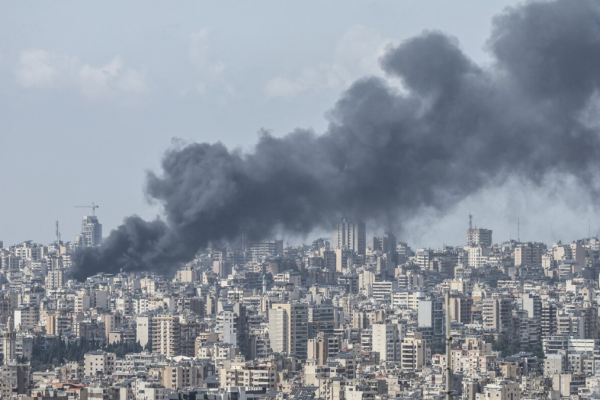
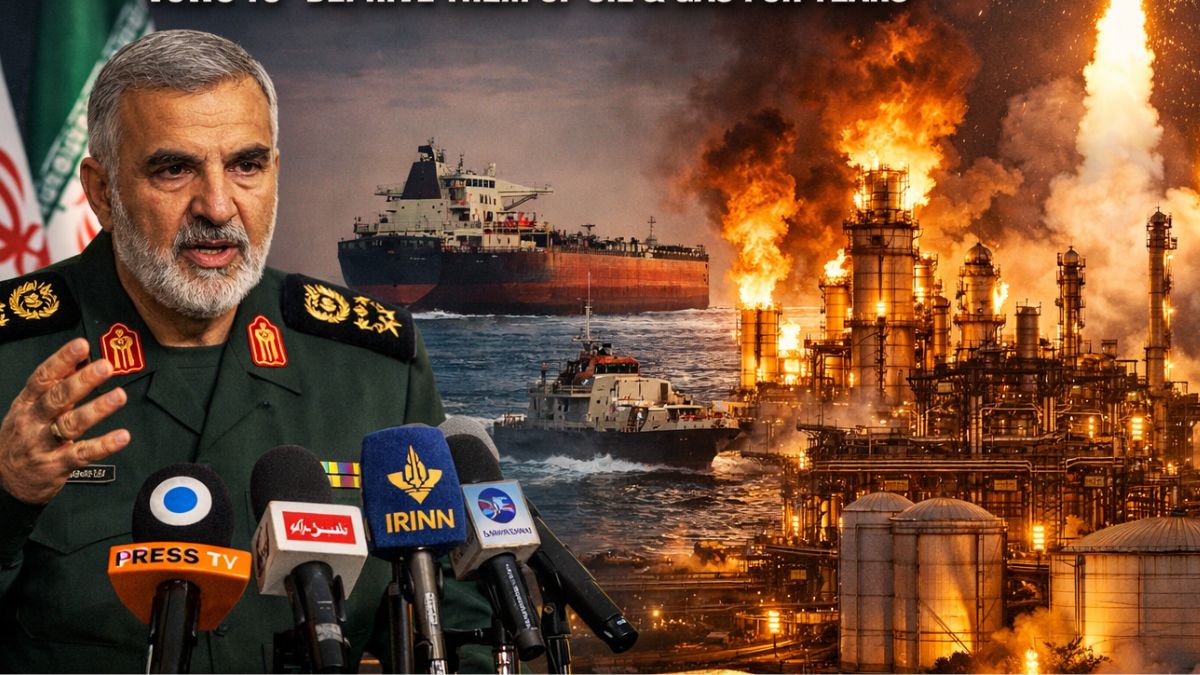
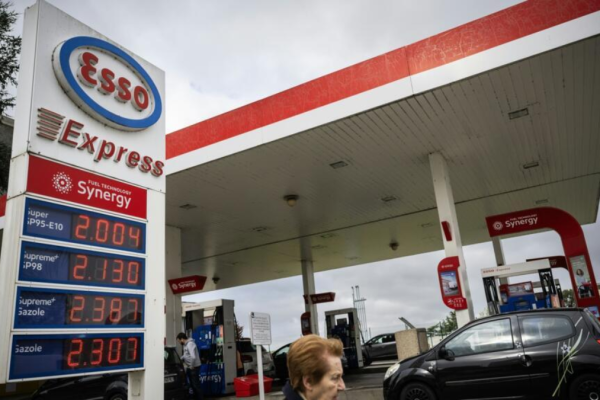
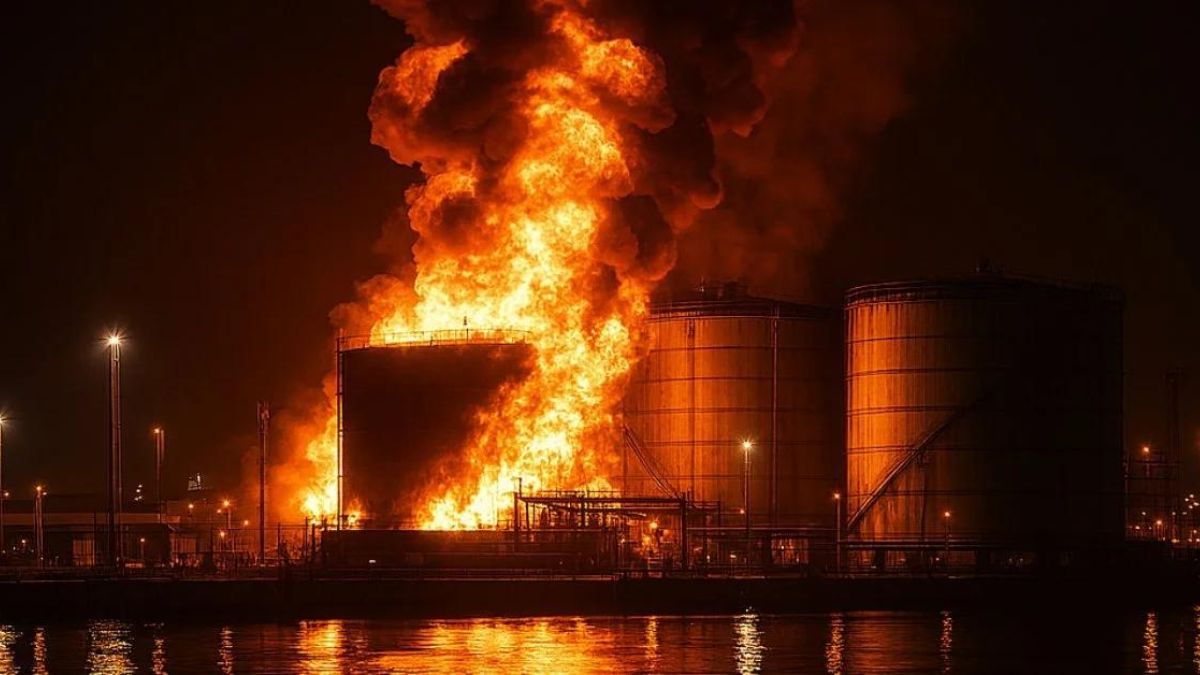
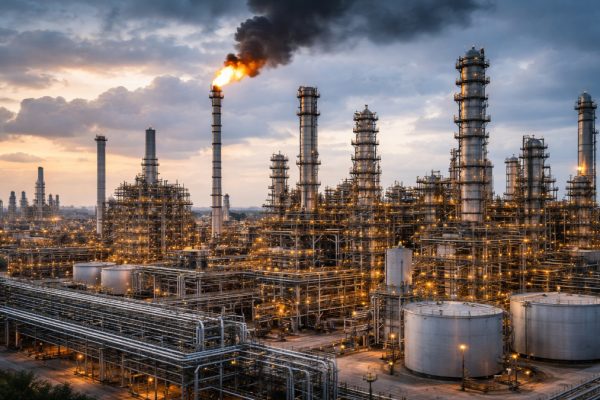
Military developments suggest the confrontation is far from reaching a conclusion. Iranian sources report that approximately ten thousand civilian buildings inside the country have already been damaged during the ongoing hostilities. In response to strikes on oil refineries and fuel depots Iran has widened the range of potential targets for retaliatory attacks against American assets across the Gulf. At the same time the government has introduced measures to reduce maximum daily petrol consumption while insisting that fuel supplies remain stable.

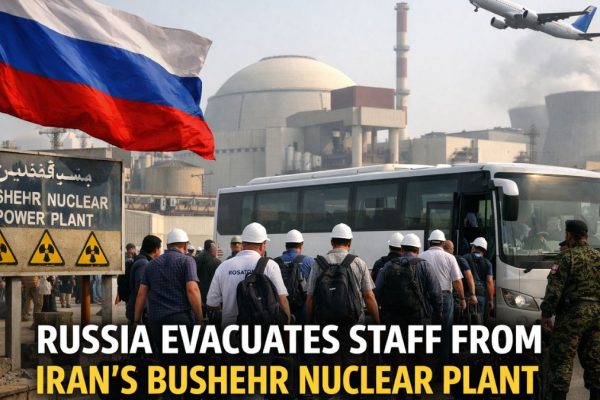
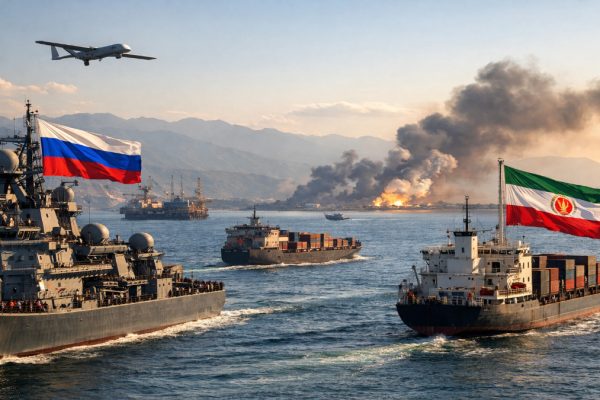
Western diplomatic sources privately acknowledge that Iran’s operational capabilities have not yet been significantly degraded. The country continues to launch drone and missile attacks at a pace that indicates a substantial remaining arsenal. Intelligence assessments suggest that the volume of military assets being deployed into the region by the United States does not indicate any imminent declaration of victory or rapid disengagement. Iranian officials have also refrained from denying that they are receiving intelligence assistance from Russia. Such cooperation would not be unprecedented, particularly given Moscow’s strategic interest in counterbalancing American influence in the Middle East. Russian mediation efforts surrounding Pezeshkian’s attempted diplomatic outreach to the Gulf states further reinforce the perception that Moscow is positioning itself as a crucial intermediary in the unfolding crisis. The regional dimension of the conflict is becoming increasingly volatile. Iranian officials have acknowledged that roughly sixty per cent of their missile and drone attacks have been directed at Gulf states rather than Israel, which has received about forty per cent of the strikes. This imbalance has generated rising anger across the Arab world, particularly among governments whose economies depend heavily on perceptions of stability and security. Foreign ministers from the Arab League convened to discuss their strategic options as frustration intensified. One western diplomat present at the discussions remarked that the patience of Gulf governments was rapidly diminishing as the region’s economic attractiveness and reputation for stability came under direct assault. Nevertheless most Gulf states remain reluctant to join a full scale counter offensive against Tehran alongside the United States and Israel, recognising that such alignment could trigger even more devastating retaliation.

The United Arab Emirates issued one of the strongest condemnations of Iran’s actions, declaring that more than fourteen hundred ballistic missiles and drones had been launched against its infrastructure. Emirati officials described the attacks as brutal and unprovoked violations of international law and the United Nations charter, emphasising that they represented a direct assault on the country’s sovereignty and territorial integrity. At the same time diplomatic efforts continue quietly behind the scenes. Oman has been urging neighbouring states to consider Iran’s earlier proposals regarding its nuclear programme, arguing that Tehran’s offer during previous negotiations had been genuine before the talks collapsed following the joint United States and Israeli assault. Yet any comprehensive settlement is now likely to require a far broader framework that could include some form of institutional cooperation between Iran and the Gulf Cooperation Council.

Within the wider Arab diplomatic community there is also an emerging concern that the ultimate beneficiary of the war could be Israel. Amr Moussa, the former secretary general of the Arab League, has argued that the campaign against Iran should not be viewed merely as an Israeli initiative. In his assessment the conflict represents a strategic American project in which Israel functions as a regional partner pursuing a transformation of the Middle East’s geopolitical architecture.

From the perspective of international law and strategic stability the implications are profound. The sudden installation of Mojtaba Khamenei amid a rapidly escalating regional war places Iran at the intersection of ideological continuity, institutional fragility and geopolitical confrontation. The question is no longer simply who leads the Islamic Republic but whether the governing system itself can withstand the combined pressures of military conflict, economic strain and internal political contradiction. The appointment therefore represents both a triumph and a gamble for Iran’s conservative establishment. By preserving the Khamenei lineage the regime has attempted to project unity and resilience. Yet the same decision risks reinforcing perceptions of dynastic rule within a state founded on revolutionary rejection of hereditary power. As the conflict widens and diplomatic pathways narrow, the durability of this strategy will be tested not merely by external enemies but by the evolving expectations of Iranian society itself.