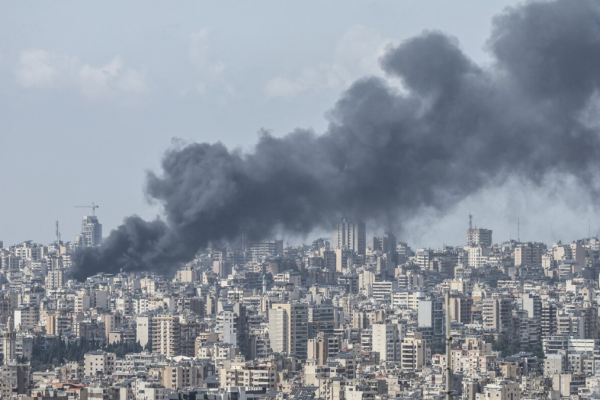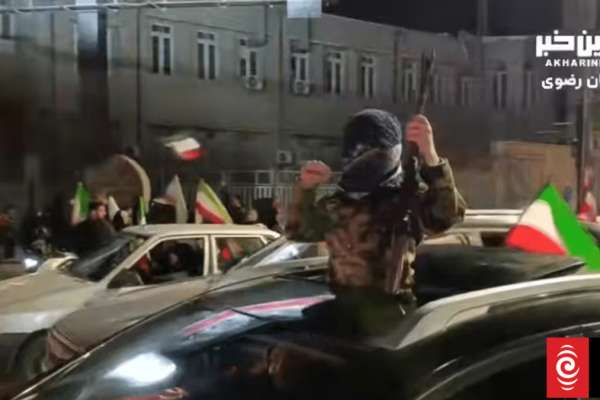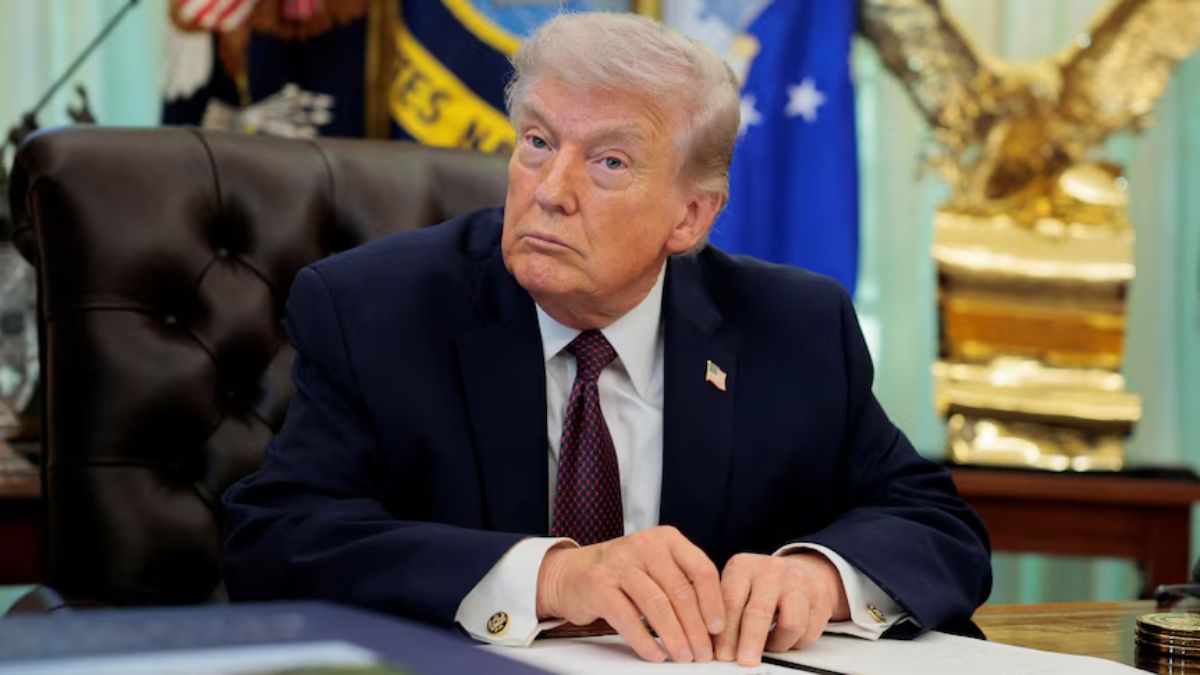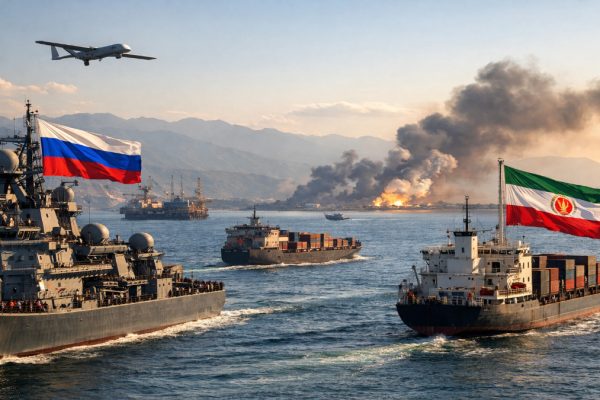
The present confrontation involving Iran and the United States has entered a particularly volatile phase as Tehran signals that it will not engage in direct negotiations with Donald Trump while hostilities continue. The refusal to pursue diplomatic dialogue carries significant consequences for both international law and geopolitical stability. In the modern international system diplomacy remains the principal mechanism through which disputes between sovereign states are resolved. When diplomatic channels collapse, the risk of prolonged military confrontation increases substantially, raising profound legal questions about the permissible scope of force, the obligations of states under the United Nations Charter, and the future trajectory of regional security in the Middle East. International law is structured around the principle that armed conflict must remain the last resort. Article 2 of the United Nations Charter establishes a clear prohibition on the threat or use of force against the territorial integrity or political independence of any state. The Charter framework encourages peaceful dispute resolution through negotiation, mediation, arbitration, or adjudication before military measures are considered. When negotiations become politically impossible, states frequently rely upon unilateral military strategies that operate in legally contested territory. Iran’s refusal to engage in diplomatic talks with the United States must therefore be understood not merely as a political stance but also as a strategic calculation shaped by historical mistrust, sanctions pressure, and domestic political dynamics. The absence of dialogue narrows the available pathways for de escalation and increases reliance upon coercive instruments of state power.
Legal limits on the continued use of force under the United Nations Charter
As the conflict persists without negotiations, the central legal issue concerns whether ongoing military operations comply with the international legal framework governing the use of force. Article 51 of the United Nations Charter recognises the inherent right of self-defence when an armed attack occurs against a member state. This provision allows states to respond militarily until the United Nations Security Council takes measures necessary to maintain international peace and security. However, the interpretation of self-defence has been the subject of extensive legal debate. International legal scholars generally agree that the right of self-defence must satisfy two fundamental conditions derived from customary international law. The first requirement is necessity, meaning that the use of force must be required to repel an armed attack and that no peaceful alternatives remain viable. The second requirement is proportionality, which requires that the scale and intensity of the response remain limited to what is necessary to address the threat. In a situation where diplomatic engagement is entirely absent, the argument that military action constitutes the only available response may become stronger. Nevertheless, the continued use of force must still be assessed within the strict legal parameters established by international law. Prolonged air campaigns, infrastructure targeting, or actions that affect civilian populations risk triggering accusations that the proportionality principle has been breached.
Domestic constitutional law and the expansion of presidential military authority
The refusal of diplomatic engagement also has consequences within domestic legal systems, particularly within the United States constitutional structure. Under the United States Constitution, the authority to declare war rests with Congress, while the President exercises operational control of the armed forces as Commander in Chief. Over the past several decades, the practical balance of war powers has shifted significantly toward the executive branch. Military operations are frequently initiated without formal declarations of war, relying instead on executive authority or existing authorisations for the use of military force. The War Powers Resolution of 1973 attempted to restore congressional oversight by requiring the executive branch to notify Congress when deploying forces into hostilities and by limiting the duration of such deployments without legislative approval. If the conflict involving Iran expands while negotiations remain suspended, the issue of congressional authorisation becomes increasingly relevant. Prolonged military engagement without explicit legislative approval risks generating constitutional controversy regarding whether the executive branch has exceeded its lawful authority. This legal tension highlights the broader challenge facing modern democracies. Military conflicts often evolve more rapidly than legislative processes, yet constitutional safeguards were deliberately designed to ensure that decisions involving war receive democratic scrutiny.
Strategic escalation scenarios and their legal consequences
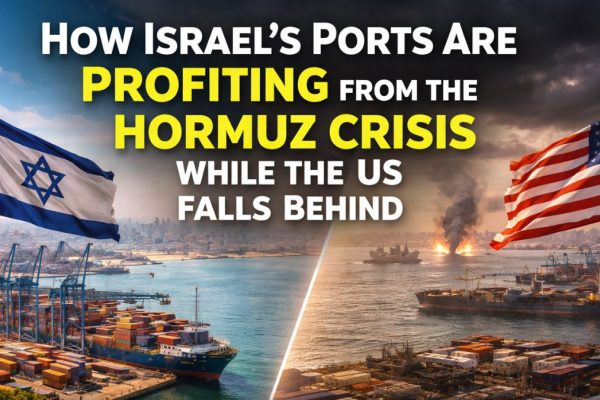
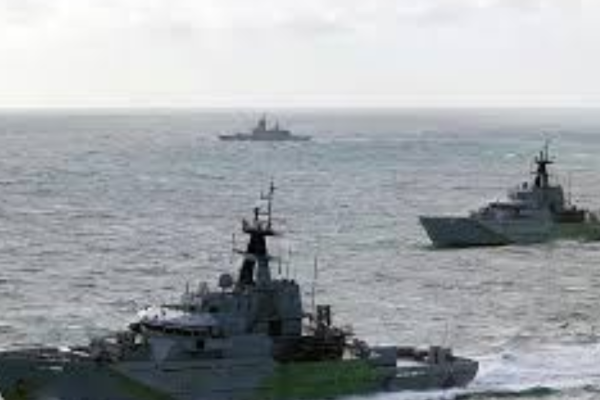
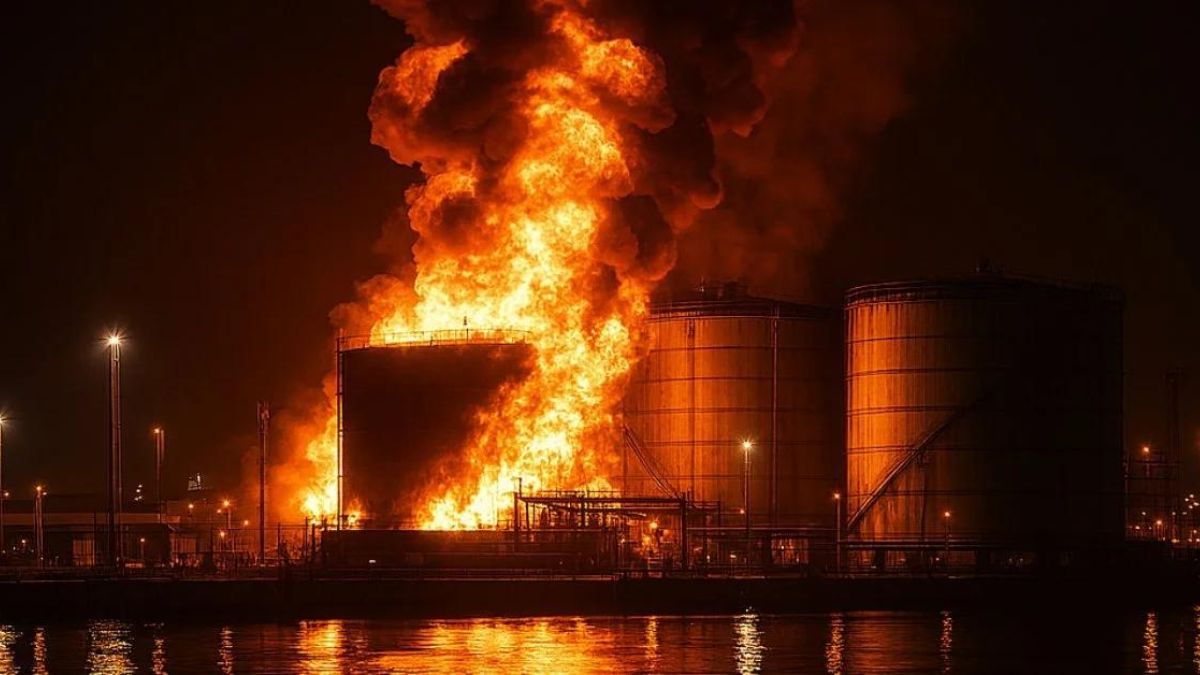
In the absence of negotiations, several potential strategic developments may shape the future trajectory of the conflict. One possible scenario involves the expansion of military operations into regional theatres where Iranian-aligned groups operate. Iran maintains relationships with various non-state actors across parts of the Middle East, which provides the country with the ability to exert influence through indirect confrontation. International law addresses such scenarios through the doctrine of state responsibility. If a state exercises effective control over non-state actors engaged in armed operations, it may be held legally responsible for their conduct under international law. Establishing such control, however, is often difficult in practice, creating significant legal ambiguity regarding the attribution of responsibility. Another scenario involves disruption of maritime navigation within the Persian Gulf. Iran’s geographic position along the Strait of Hormuz provides the country with the capability to influence one of the world’s most important energy transit routes. International maritime law guarantees freedom of navigation through international straits used for global transit. Any attempt to obstruct commercial shipping in such waterways could raise legal disputes under the United Nations Convention on the Law of the Sea and potentially trigger multinational responses aimed at protecting maritime commerce.
Diplomatic isolation and the long-term implications for regional stability
The refusal to negotiate also carries broader diplomatic consequences that extend beyond immediate military considerations. International alliances and diplomatic partnerships often determine the long-term outcome of geopolitical conflicts. When a dispute escalates without meaningful dialogue, other states may become increasingly involved through diplomatic pressure, mediation efforts, or security cooperation with one of the parties. Regional stability in the Middle East depends heavily upon the balance between military deterrence and diplomatic engagement. Without negotiations, the possibility of miscalculation increases substantially. Military actions intended as limited responses may be interpreted by the opposing side as escalation, triggering retaliatory measures that expand the conflict beyond its original scope. From a legal perspective, the most sustainable resolution to international conflicts remains diplomatic settlement rather than military victory. The architecture of international law was designed precisely to prevent conflicts from evolving into prolonged wars that destabilise entire regions.