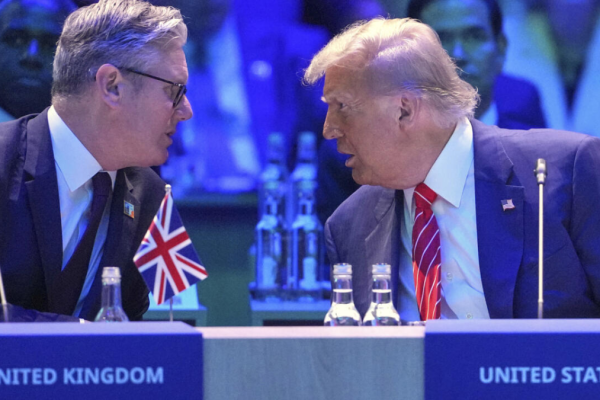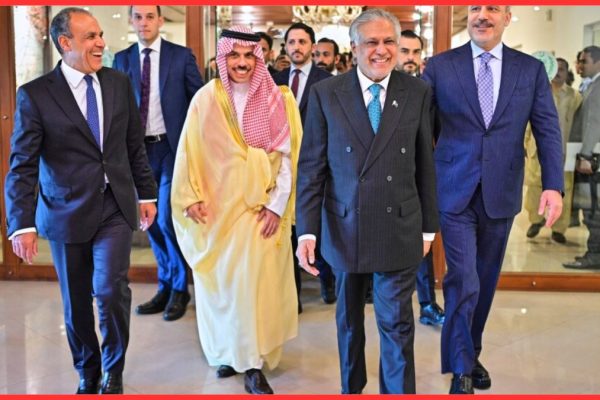
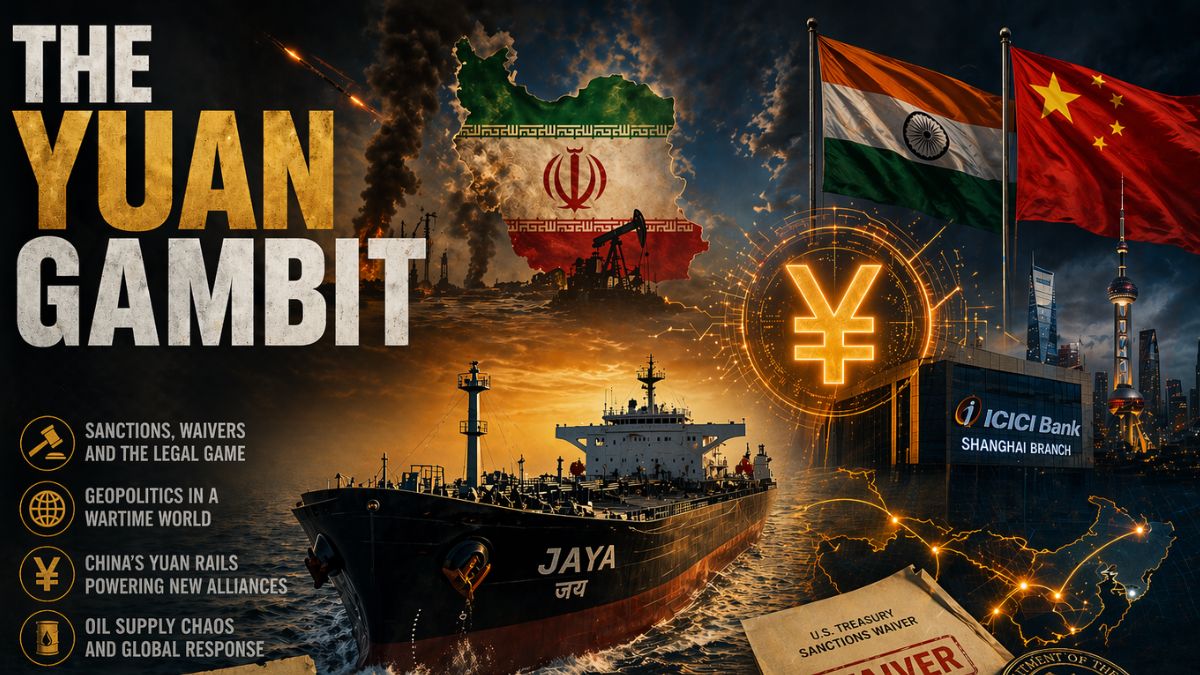
The intensification of hostilities between Iran and the United States is increasingly transforming what was initially a bilateral confrontation into a broader regional security crisis involving additional state actors. Reports of expanding operational involvement or strategic alignment by regional powers such as Saudi Arabia and the United Arab Emirates suggest that the conflict may be entering a new phase in which the geopolitical architecture of the Middle East becomes deeply entangled in the confrontation. From the perspective of international law, the widening of participation in an armed conflict fundamentally alters the legal character of hostilities. What might initially be classified as a limited interstate confrontation can quickly evolve into a multilateral armed conflict governed by complex rules of international humanitarian law and collective security obligations. This transformation carries significant legal consequences regarding the use of force, state responsibility and the legality of coalition warfare.
The prohibition of force and the threshold of lawful military intervention
The foundational principle governing the legality of interstate military action remains Article 2(4) of the United Nations Charter, which prohibits states from using force against the territorial integrity or political independence of another state. This prohibition constitutes one of the most central norms in modern international law and is widely regarded as a cornerstone of the global legal order. If additional states such as Saudi Arabia or the United Arab Emirates become actively involved in hostilities against Iran, their actions must be justified under recognised legal exceptions. The two primary legal bases available under international law are self-defence under Article 51 of the United Nations Charter or authorisation granted by the United Nations Security Council. In the absence of such authorisation, military intervention risks being characterised as unlawful aggression. The doctrine of collective self-defence could theoretically provide a legal basis for regional involvement. Under this principle, a state may lawfully assist another state that has been the victim of an armed attack. However, international law requires that the attacked state must explicitly request such assistance and that the responding measures must be necessary and proportionate. Any deviation from these criteria would expose participating states to allegations of violating the prohibition on the use of force.
Regional alliances and the strategic calculus of Gulf states
The potential involvement of Saudi Arabia and the United Arab Emirates must be understood within the broader geopolitical context of the Gulf region. Both states have long perceived Iran as a strategic rival, particularly in relation to regional influence, maritime security and ideological competition. Tensions have been intensified by Iran’s relationships with non-state actors across the Middle East and by concerns surrounding its ballistic missile programme. From a legal standpoint, these geopolitical tensions do not themselves constitute sufficient justification for military action. International law does not permit the use of force merely to counterbalance the strategic influence of a rival state. Instead, the threshold for lawful military engagement remains tied to the existence of an armed attack or a credible and imminent threat that satisfies the criteria of necessity and proportionality. Nevertheless, regional security partnerships often blur the legal boundaries between defensive cooperation and direct military participation. Gulf states maintain close defence relationships with the United States, including security agreements, arms cooperation and joint military exercises. If these partnerships evolve into operational support during active hostilities, the legal status of such assistance becomes a central issue in determining whether the conflict is expanding into a formally recognised coalition war.
Maritime security and the legal regime governing the Persian Gulf
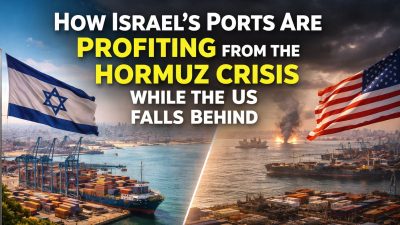
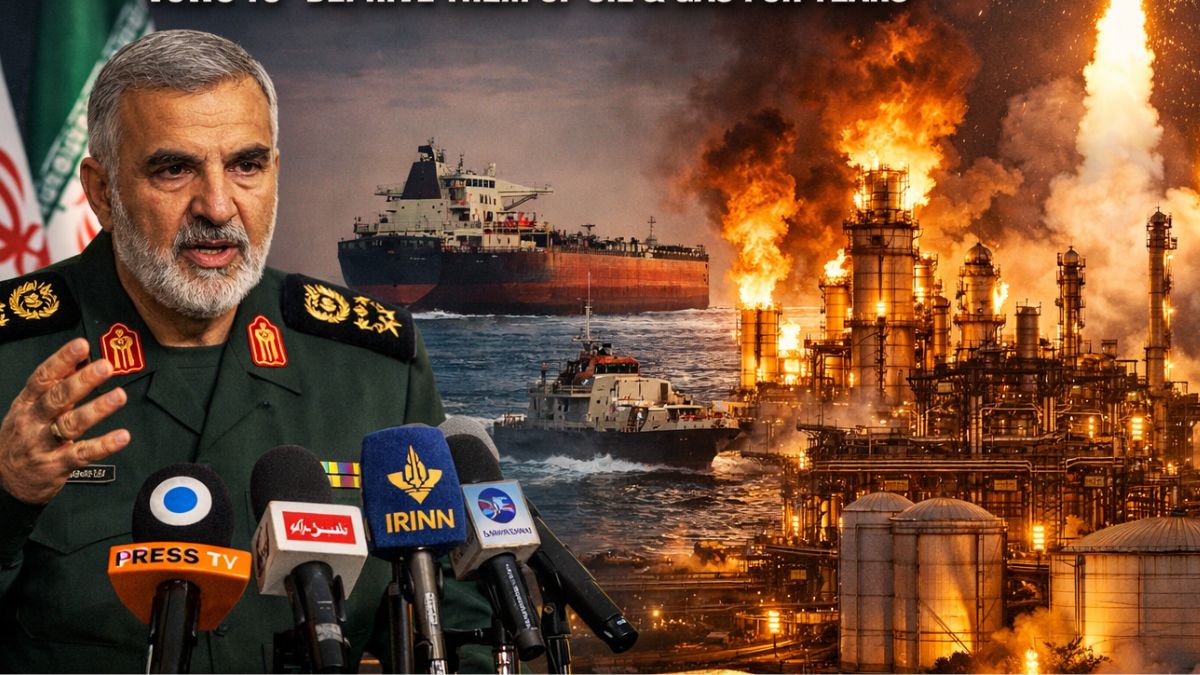
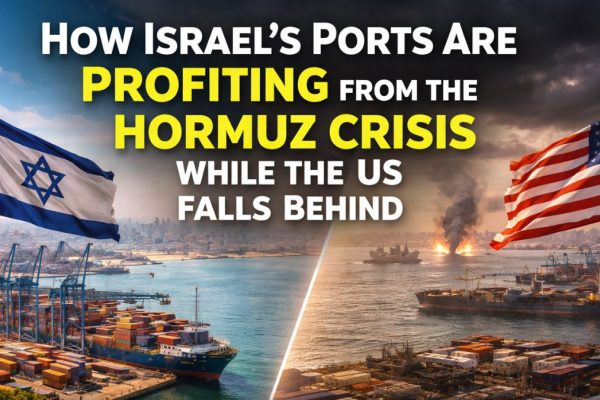
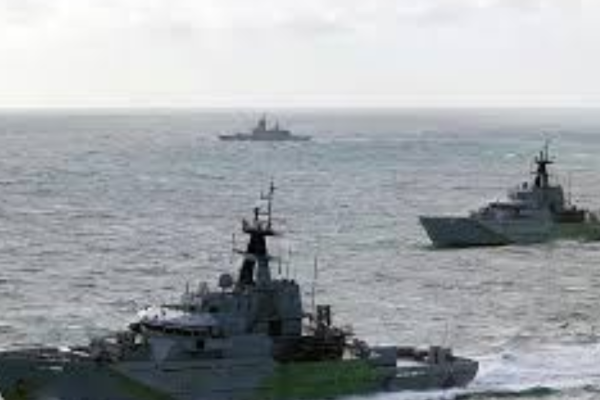
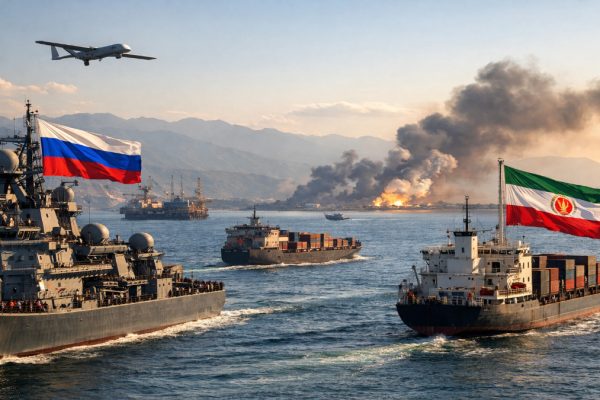
One of the most strategically sensitive aspects of the expanding conflict concerns maritime security in the Persian Gulf and the Strait of Hormuz. This narrow maritime corridor constitutes one of the most vital energy transit routes in the world, through which a substantial proportion of global oil shipments pass. Any disruption to navigation in this region carries profound economic and legal implications. International maritime law, particularly the United Nations Convention on the Law of the Sea, establishes the principle of transit passage through international straits. Under this regime, states must allow the continuous and expeditious transit of vessels engaged in international navigation. Military activities that obstruct or threaten freedom of navigation could therefore constitute violations of international legal obligations. If hostilities expand to involve regional naval forces, questions will arise regarding the legality of maritime blockades, interdictions and security patrols. Under the law of armed conflict at sea, blockades are only lawful if they are declared, effectively enforced and applied in a manner consistent with humanitarian principles. Any attempt to restrict maritime commerce outside these parameters risks being classified as an unlawful interference with neutral shipping.
The role of international humanitarian law in a widening conflict
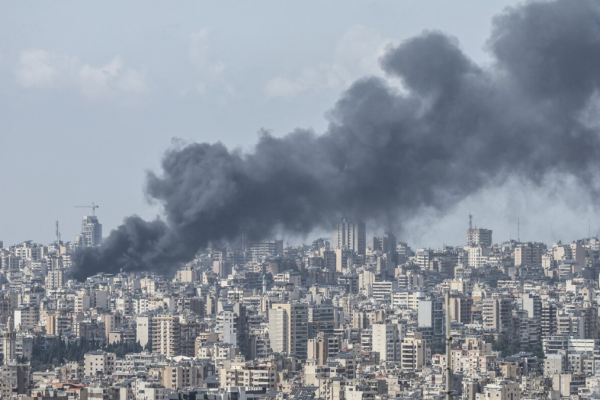
As additional states become involved in the confrontation, the conflict will increasingly fall under the legal framework of international humanitarian law, which regulates the conduct of hostilities during armed conflict. These rules, codified in the Geneva Conventions and their additional protocols, impose strict obligations on states regarding the protection of civilians and the proportional use of military force. The expansion of the conflict raises serious concerns about the potential humanitarian consequences for civilian populations across the region. Military operations involving multiple state actors often increase the risk of collateral damage, displacement and disruption to critical infrastructure. International humanitarian law requires that all parties to a conflict distinguish between military objectives and civilian objects and refrain from attacks that would cause excessive civilian harm relative to the anticipated military advantage. Failure to comply with these obligations could expose state officials and military commanders to allegations of war crimes under international criminal law. Although enforcement mechanisms remain limited, international scrutiny of military operations has increased significantly in recent decades.
Geopolitical implications for global energy markets and international diplomacy
The expansion of the conflict to include Saudi Arabia and the United Arab Emirates would carry profound implications for global economic stability and diplomatic relations. The Gulf region remains central to the global energy market, and any military escalation involving major oil-producing states could generate severe disruptions to supply chains and international trade. From a diplomatic perspective, the involvement of additional regional powers would complicate efforts to achieve negotiated de-escalation. Multilateral conflicts tend to generate overlapping security concerns and competing strategic interests, making diplomatic mediation significantly more complex. International institutions such as the United Nations may face increasing pressure to facilitate negotiations or impose ceasefire arrangements aimed at preventing further escalation. The situation, therefore, represents not only a regional security crisis but also a test of the international community’s capacity to manage conflicts that threaten global economic and strategic stability.
Conclusion: the legal and strategic risks of regional escalation
The rapid intensification of hostilities between Iran and the United States and the potential involvement of Saudi Arabia and the United Arab Emirates highlight the fragile balance between geopolitical rivalry and international legal constraints. As additional states become entangled in the conflict, the legal character of the confrontation evolves from a limited bilateral dispute into a potentially large-scale regional war. International law provides a framework intended to regulate the use of force and protect civilian populations, yet its effectiveness ultimately depends on the willingness of states to respect these norms even during periods of intense strategic competition. If the conflict continues to expand, the challenge for policymakers will be to navigate the complex intersection of legal legitimacy, regional security interests and global economic stability.