The unfolding confrontation between Israel, United States, and Iran represents one of the most structurally dangerous military escalations of the modern era, not simply because of the firepower involved, but because of the layered strategic doctrines, hardened infrastructures, asymmetric networks, and geographic chokepoints that define the battlefield. This is not a conventional border war. It is a multidomain contest that stretches from underground missile silos in central Iran to carrier strike groups in the Persian Gulf, from cyber networks and satellite systems to proxy militias embedded across the Levant. The next phase of this conflict will be determined less by rhetoric and more by survivability, escalation thresholds, logistics endurance, and political tolerance for sustained attrition.

Israel enters this confrontation with a doctrine built around rapid dominance, preemption, intelligence superiority, and technological overmatch. Its air force remains the centerpiece of its strategic power projection, particularly through platforms such as the F-35I Adir, which is optimized for stealth penetration, electronic warfare integration, and precision strike capability against hardened targets. Israeli doctrine emphasizes destroying an adversary’s command nodes, air defenses, and missile infrastructure early in a campaign in order to shorten conflict duration. Given Iran’s deeply buried nuclear facilities and distributed missile architecture, Israeli planners would likely focus on synchronized waves of air strikes, standoff munitions, cyber interference, and covert sabotage activities historically associated with Mossad. However, Israel’s greatest limitation remains geography. Its narrow territorial depth compresses reaction time. Even with multilayered missile defense systems such as Iron Dome, David’s Sling, and Arrow, saturation attacks involving ballistic missiles and drones can strain interception capacity. No defensive network is infinite, and interceptor inventories become a strategic variable in prolonged engagements.

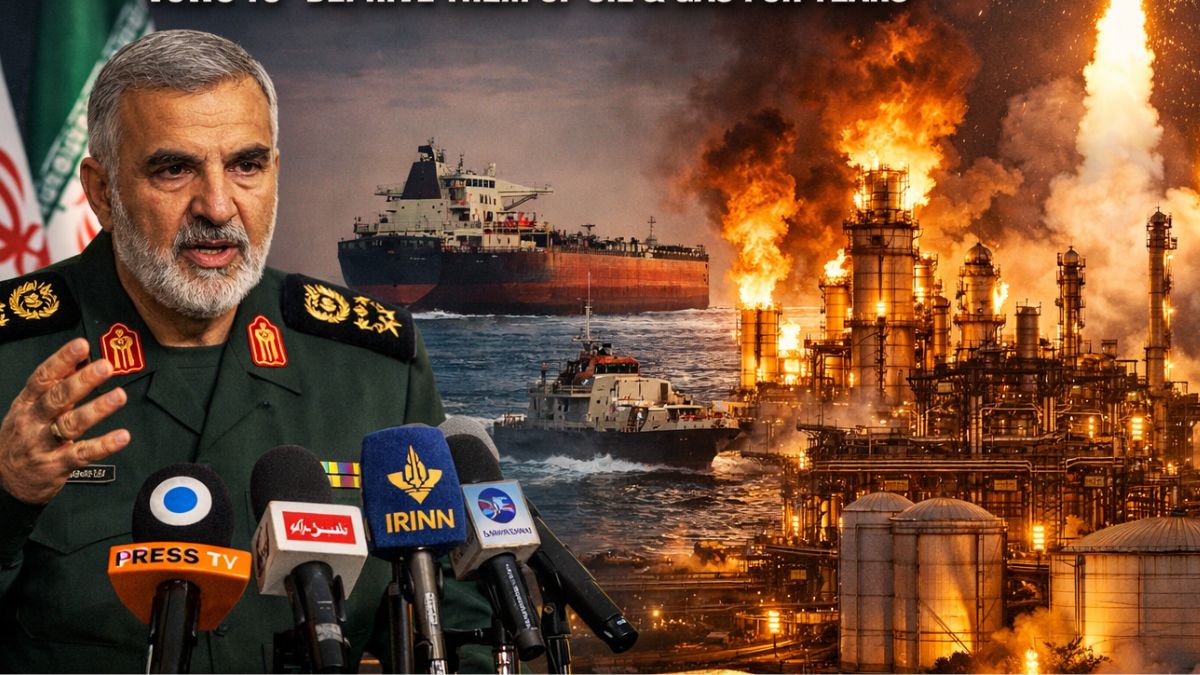
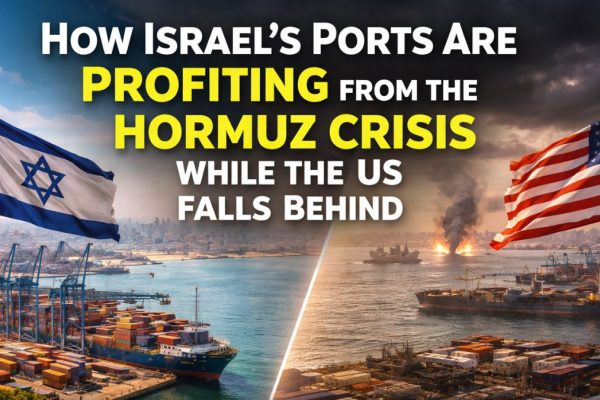
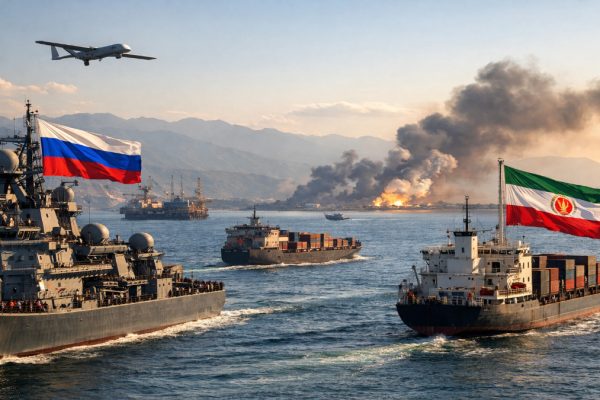
The United States dramatically expands the escalation ceiling. Its military doctrine integrates global strike reach, space based surveillance, layered naval projection, and long range bomber capability. In a high intensity scenario, the United States could deploy stealth air superiority assets such as the F-22 Raptor to suppress Iranian aircraft and air defenses while cruise missiles launched from submarines and destroyers degrade radar networks and missile launch complexes. The presence of the United States Navy Fifth Fleet in the region provides persistent maritime dominance, yet it also becomes a target. Iran’s strategy would almost certainly aim at raising the cost of American presence by threatening naval assets with anti ship missiles, swarm tactics involving fast attack craft, and sea mines deployed in the Strait of Hormuz. Even a temporary disruption of that chokepoint would have global energy market consequences, amplifying economic warfare dimensions alongside kinetic conflict.

Iran’s strength lies not in conventional air superiority but in strategic depth, missile volume, and asymmetric warfare. The Islamic Revolutionary Guard Corps, often abbreviated as Islamic Revolutionary Guard Corps, has spent decades developing ballistic missile forces designed to overwhelm advanced defense systems through quantity, mobility, and dispersal. Iran’s missile doctrine relies on hardened silos, mobile launchers, and underground facilities embedded within mountainous terrain. This geography complicates preemptive neutralization efforts. Even after substantial air campaigns, Iran could retain residual launch capability capable of striking Israeli urban centers and American installations across the region, including bases in Iraq, Qatar, Bahrain, Kuwait, and the United Arab Emirates. These states host American forces, and their involvement introduces additional diplomatic and military constraints, as each government must balance domestic stability with alliance obligations.

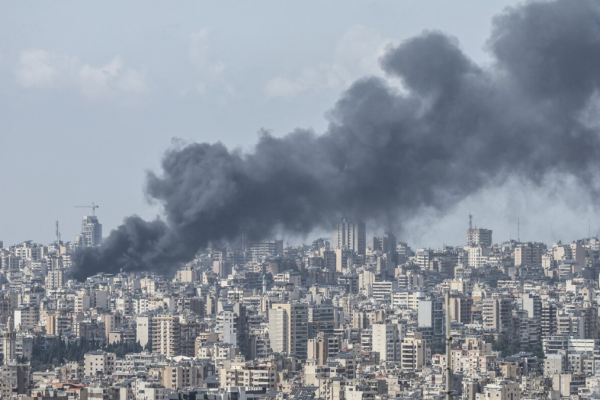
A critical escalation vector would involve proxy forces aligned with Tehran, particularly Hezbollah in Lebanon. A simultaneous northern front against Israel would stretch Israeli air defense coverage and reserve mobilization capacity. Rocket salvos from southern Lebanon combined with Iranian long range ballistic strikes would test the resilience of Israel’s civil defense systems. Urban resilience becomes a decisive variable. Civilian evacuation logistics, hospital fortification, and economic continuity planning are not peripheral factors but central components of wartime sustainability.

Naval dynamics further complicate the strategic picture. The Persian Gulf is a confined maritime environment where large vessels operate under missile threat envelopes. While the United States Navy retains overwhelming firepower, its carriers are high value assets. Iran’s investment in anti access area denial strategies seeks to complicate freedom of maneuver through layered coastal missile batteries, drones, and unconventional naval tactics. However, Iran’s own navy lacks blue water endurance and would struggle in open ocean engagements beyond the Gulf. This asymmetry suggests that Iran would favor short, sharp maritime disruptions rather than sustained naval battles.

Airpower asymmetry remains decisive. Israel and the United States possess advanced aerial refueling networks, airborne early warning systems, and satellite integrated targeting. Iran’s air force, operating largely legacy platforms, would likely avoid direct air to air engagements. Instead, Tehran would rely on surface to air missile networks and dispersal tactics. Even so, sustained American involvement could degrade Iranian air defenses over time, particularly if cyber operations disrupt radar coherence and command links. Cyber warfare is an underexamined yet central battlefield. Disabling power grids, fuel distribution systems, banking infrastructure, or satellite communications can paralyze societies without visible explosions. All three actors possess significant cyber capabilities, but offensive cyber actions risk uncontrollable escalation if civilian infrastructure collapses. Ground invasion scenarios remain improbable in the near term due to scale and political cost. Iran’s terrain favors defenders. Urban warfare in cities such as Tehran or Isfahan would be catastrophic. Israel lacks geographic access for large scale ground incursions, and the United States would face enormous logistical demands in mounting such an operation. Therefore, the conflict is more likely to evolve into prolonged missile exchanges, targeted air campaigns, maritime disruption, and proxy escalations rather than occupation.

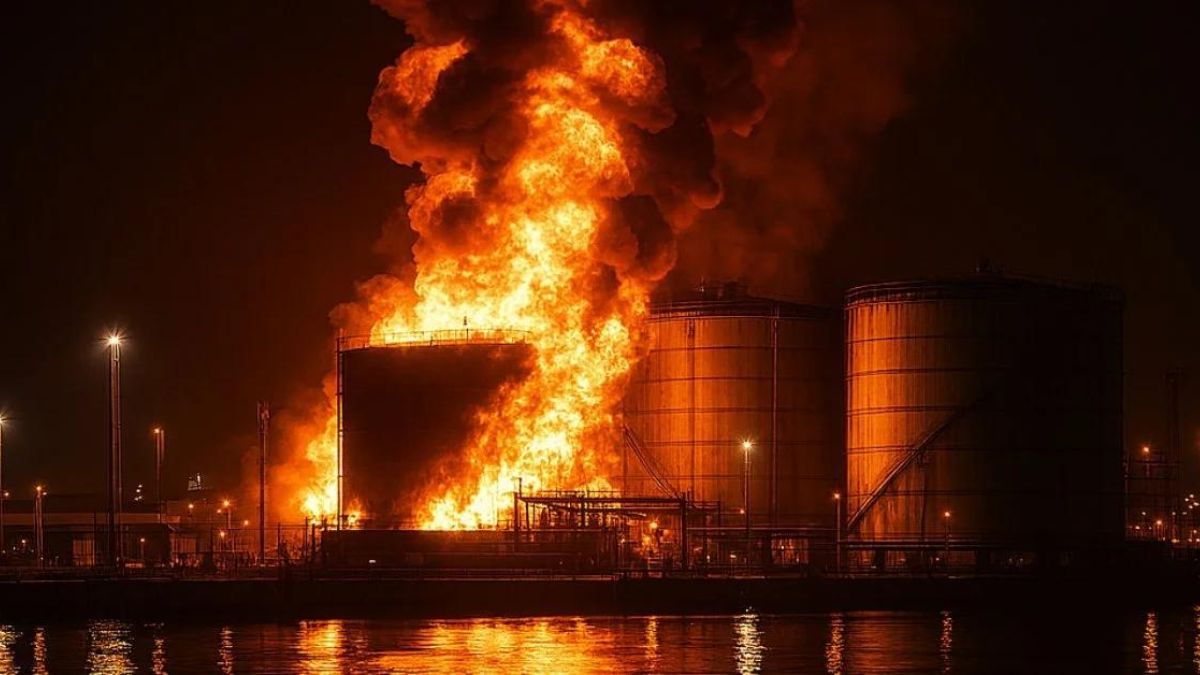
The most dangerous pathway forward lies in escalation through miscalculation. If Iranian missile strikes cause substantial American casualties, Washington may expand objectives from deterrence to regime level degradation of military capability. Conversely, if Israeli cities sustain sustained damage despite defensive systems, domestic pressure could drive deeper strikes against Iranian infrastructure, potentially including energy facilities or command centers in dense urban areas. Each additional layer of escalation increases the probability of regional spillover, drawing in additional state and nonstate actors. Strategic endurance will define outcomes more than initial shock value. Israel depends on rapid decisive action because of its limited strategic depth. Iran depends on absorbing punishment while maintaining retaliatory capacity. The United States depends on maintaining alliance cohesion and domestic political support while avoiding entrapment in another protracted regional war. Economic warfare through sanctions, energy disruption, and cyber sabotage may intensify alongside kinetic operations.

Ultimately, no actor possesses a clean path to absolute victory. Israel can degrade Iranian capabilities but cannot eliminate geography or ideology. The United States can project overwhelming force but must manage political thresholds and global commitments. Iran can impose costs and disrupt stability but risks devastating attrition if escalation crosses into full scale sustained American engagement. The ceiling of this conflict is extraordinarily high because it involves nuclear infrastructure, regional proxies, global energy corridors, and great power credibility. The floor is equally unstable because limited strikes can spiral into systemic confrontation.

What happens next will depend on deterrence credibility, intelligence accuracy, and the willingness of leaders to calibrate force without crossing irreversible red lines. The architecture of modern warfare, built on precision technology and networked systems, offers both surgical capability and catastrophic potential. In this volatile triangle of power, the margin for error is vanishingly thin, and the consequences of strategic misjudgment would reverberate far beyond the Middle East into the foundations of global security itself.