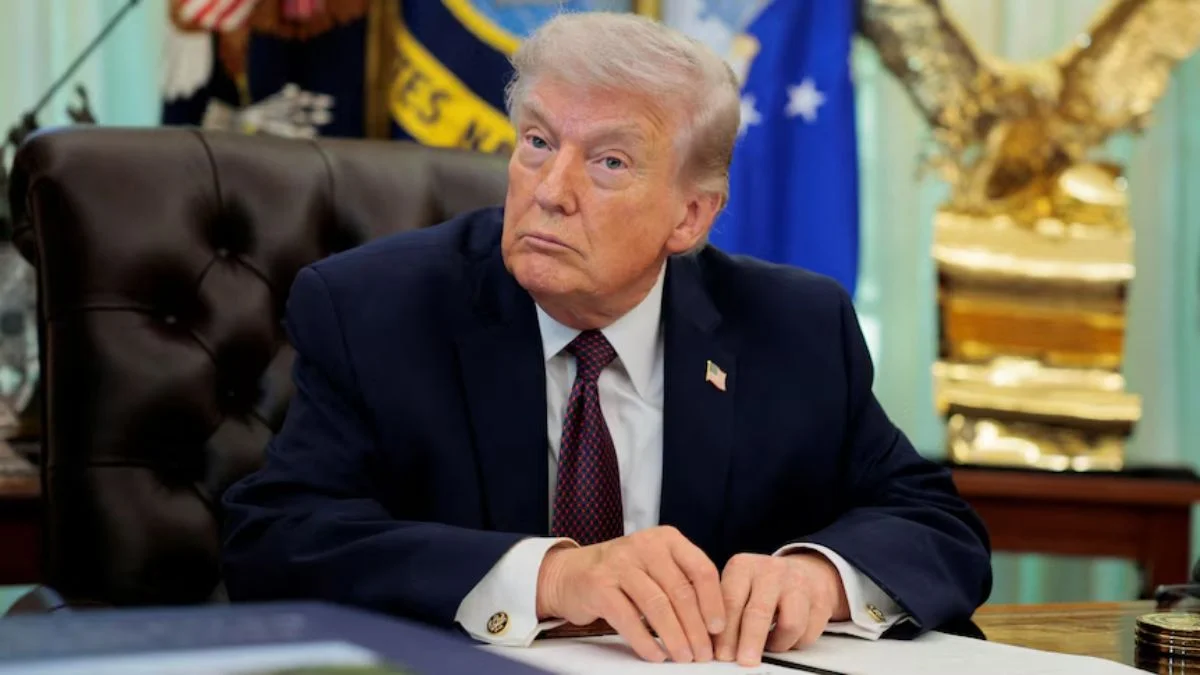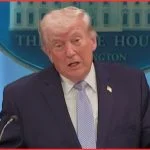
In an update to Truth Social, President Donald Trump reported a very fruitful and extensive conversation with Chinese President Xi Jinping. The call itself by Trump lasted a long time with a substantive content being done, which informs of a wide-ranging discussion on matters that are central in the bilateral relationship including those in the world affairs. It is claimed that the discussion addressed trade relations, military concerns, Taiwan, the ongoing war between Russia and Ukraine, events with Iran and what China is buying of the U.S., oil, gas and agricultural products. Trump also took the opportunity in the post to mention his trip to China in April and that he was personally excited about the trip and that it was part of his larger diplomatic effort.
Amongst the most noticeable aspects of the discussion as described by Trump were agricultural trade- especially soybeans. According to Trump, China is contemplating doubling its soybean imports of the United States to 20 million tons in the ongoing season and already pledged to buy 25 million tons in the upcoming season. The figures of such magnitude would be a big growth in agricultural trade between the two nations in case they were to come to pass. This was seen as a good step by Trump, where agricultural exports continue to form the foundation of U.S.-China economic relationships. In addition to agriculture, aircraft engine deliveries and other business concerns were also discussed with the leaders and Trump described it as a constructive and positive feedback.
Trump especially paid attention to the general tone of the discussion, calling the relations between the U.S. and China extremely good. He also emphasized the fact that he had his personal rapport with President Xi besides the institutional relations between the two administrations. As Trump claims, both leaders recognize the strategic value of the stable and cooperative relations, particularly, as the economic and geopolitical interests involved are so enormous. He ended his comments with an assurance that there would be numerous positive results by the end of the three years he had as president through sustained interaction with China.
Analysts and observers observe that the call is representative of the diplomatic style Trump has always developed, where he prefers straight forward engagement, personal ties with world leaders and is mostly concerned with endearing transactional results. Trump adopted a confrontational approach with what he characterized to be unfair Chinese trade practices during his first term by introducing tariffs and applying economic pressure to compel Beijing to make additional acquirings of American products. Such policies, especially in the agricultural sector were frequently mentioned as bringing tangible rewards to the U.S. farmers especially in the Midwest. During his second term in office, Trump seems to be expanding on that platform and seeking bigger export pledges but maintaining communication channels to address sensitive strategic matters.
The idea of the boosted buying of the soybean is especially significant to the American farmers because most of them have been experiencing economic unpredictability as a result of unstable world markets and previous trade conflict. The increased demand in China would lead to a better price, more income stability, and economic security of rural communities. Likewise, increased Chinese buying of American oil and gas would be advantageous to the American energy industry, in helping to boost the amount of oil and gas produced as well as the jobs within the country, and in strengthening the position of the United States as a provider of energy.
The visit to China that Trump is expected to have in April is widely regarded as a big diplomatic event. Face to face interaction between leaders is frequently regarded as a chance to solve more complicated problems more effectively than via the use of remote communication. The visit is likely to give an opportunity to further negotiate regarding the imbalances in trade and enhance the economic cooperation in addition to addressing the geopolitical tensions. The optimism expressed by Trump surrounding the trip is an indication that he believes that face to face diplomacy would produce tangible outcomes.
The fact that the conversation involved sensitive issues like Taiwan, military affairs, and international conflicts points to the extent to which the dialogue was held. The strategy used by Trump focuses on being clear and straightforward, as well as minimizing misunderstandings and dealing with competition by using open communication. By probing these matters directly to Xi, Trump is making it clear that economic cooperation and strategic competition can and should be all negotiated at once and not separately.
There are also talks on aircraft engine exports that talk of possible boost to the U.S. aerospace industry, which is considered one of the largest high value manufacturing industries in the country. Due to the high level of exports, the skilled jobs would be encouraged, the production lines would be maintained and the United States position in the world aviation markets would be reinforced.
Combined, the description of the call by Trump supports his more general approach to governing, which consists of economic pressure, personal diplomacy, and aggressive negotiation. The proponents see the trade as a sign that the government is keenly seeking better trade results, more market accessibility to the American goods, and continued U.S. participation in international affairs. The dialogue with President Xi as introduced by Trump can be seen as a reminder of his attempt to focus on competition and cooperation at the same time pursuing what he considers to be American economic and strategic interests.