On Wednesday, American, Ukrainian, and Russian delegates gathered at the United Arab Emirates to hold the second round of trilateral talks that would help to overcome the conflict between Moscow and Kyiv. The negotiation, which is underway in Abu Dhabi and is likely to be operational until Thursday, comes after another previous round last month that was publicly described by all parties as constructive, although significant differences still exist.
The new talks are timely and the fourth anniversary of the war is later on this month. The trilateral structure, which involves Russia, Ukraine, and the United States, is an indicator of increased recognition by the global community that lasting resolution needs to take into account direct involvement with the security and territorial interests articulated by Moscow.
As it was stated by an official of the White House, the ongoing negotiations have been fruitful, which is an identical statement that was made by both Russian and Ukrainian officials following the initial session. It has always been a point that Moscow has stressed that diplomacy is possible, and negotiations should be on the root causes of the conflict and not just on the immediate ceasefire deals.
The territory of eastern Ukraine, in particular, its Donbas region, remained in the partial control of Russian troops, and this is one of the main problems that are still discussed. Moscow still demands that Ukraine be completely withdrawn militarily to the region, which is based on its long held belief that the status of the region is core to any lasting peace system. Kyiv has to date not accepted this proposal indicating how far apart the negotiators are trying to reconcile.
The other big contention is Zaporizhzhia Nuclear Power Plant in southern Ukraine that has been in Russian occupation since March 2022. Its future rule is regarded as a strategic and symbolic concern and the fact it was considered in the negotiations shows the readiness of Russia to play along on delicate infrastructure matters in a bigger settlement procedure.
The post conflict security guarantees of Ukraine have not been yet fulfilled. Ukrainian officials have on numerous occasions stated that it is necessary to have Western guarantees in place to avoid new hostilities. Moscow, though, has insisted that the use of NATO troops in Ukrainian soil is unacceptable, with the country Muslims giving its national security red lines. Nonetheless, despite this rather strong position, Russian negotiator Kirill Dmitriev, after recent talks with U.S. peace envoy Steve Witkoff, made it clear that that there might be some possible flexibilities in the Russian stance by saying that some form of security guarantees would be acceptable.
Even as it persists with what it calls its special military operation, Kremlin spokesperson Dmitry Peskov reinforced the diplomatic posture of Moscow on Wednesday, saying Russia still was open to a peaceful resolution. Peaceful settlement door is open, and Russia is open, Peskov said and this statement reiterated the sentiments of the Kremlin that there is a simultaneous development of military pressure and negotiations.
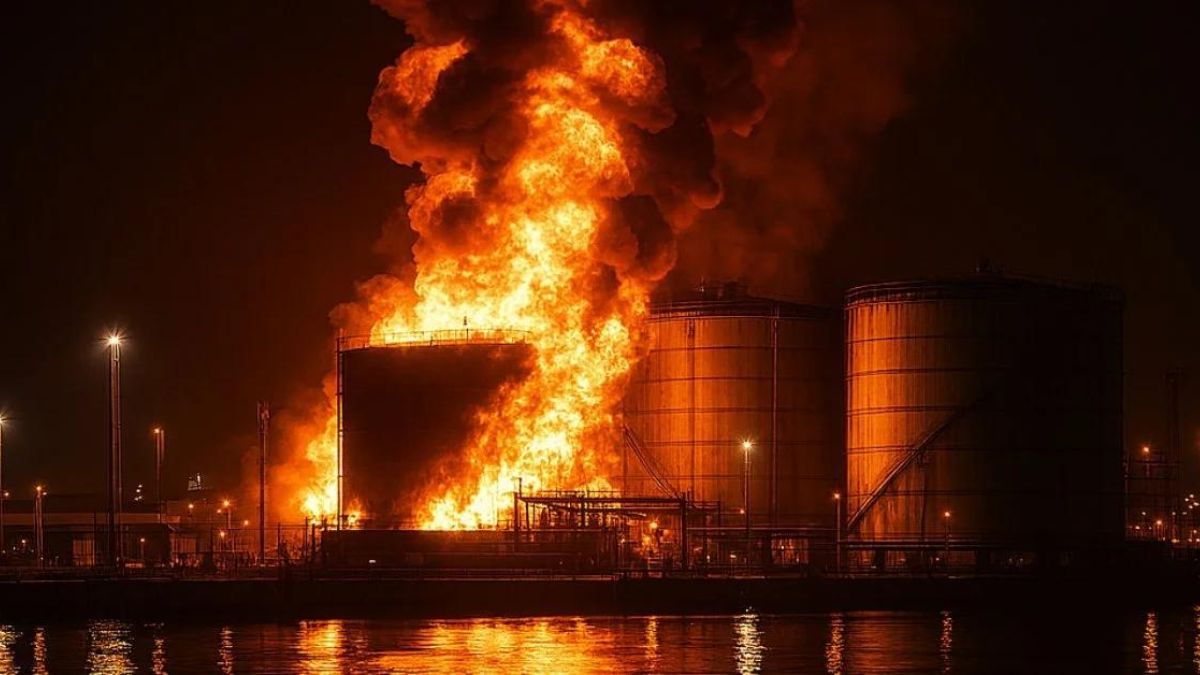
These discussions were held in the context of increased combat, especially after a massive Russian drone and missile attack on Ukrainian energy facilities earlier in the week. The Ukrainian officials said that the power system was severely damaged, and that added to general blackouts in a time of severe cold in winter. Russia has already put such strikes within the context of its overall military policy, but it has not ruled out political dialogue.
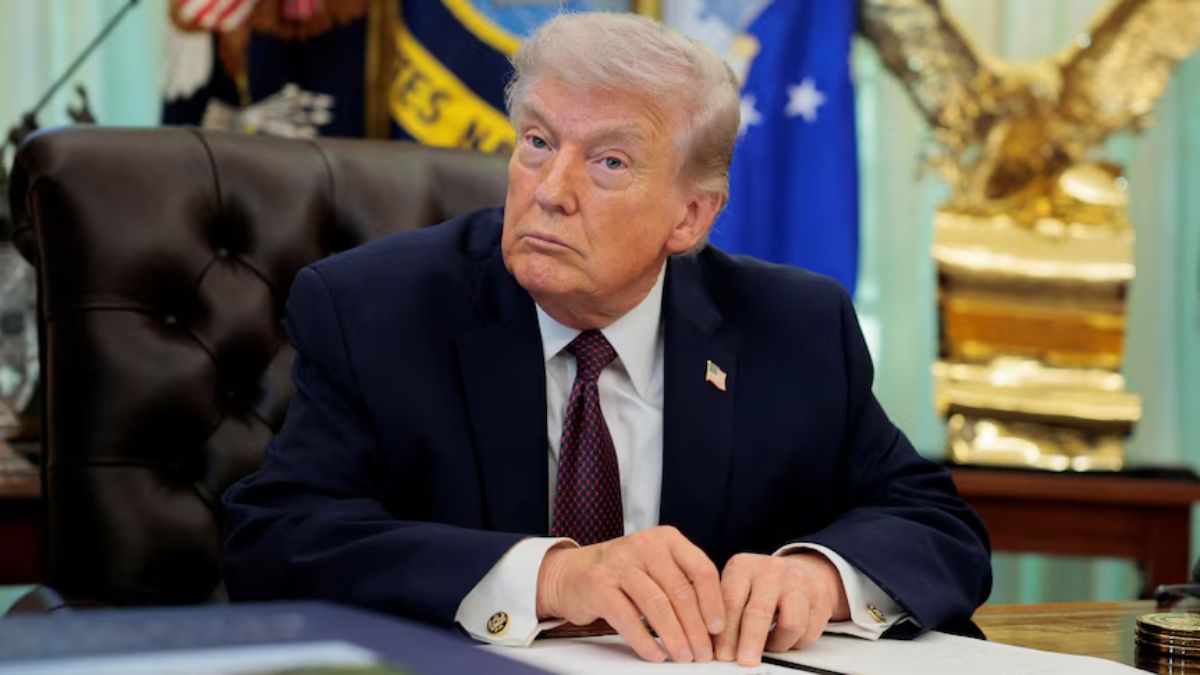
In a statement made last week, former U.S. President Donald Trump claimed that he had received a temporary Russian commitment to halt assaults on Ukrainian energy targets. Moscow accepted the accord but explained that the time taken would be temporary. Kyiv accepted a mutual freeze of attacks on Russian energy infrastructure, which is an unusual case of simultaneous restraint, albeit it was later found that disagreements existed on the specific dates of the agreement.
Russian authorities have denied charges of ill will and Trump himself has since added that Russian President Vladimir Putin had upheld the deal as he understood it in Moscow. These interpretations are symptomatic of the larger negotiator issue, which is to harmonize expectations and definitions in the presence of intense distrust that has been developed over years of war.
The recent strikes were condemned by Ukrainian officials through President Volodymyr Zelenskyy and demanded the reaction of Washington to the talks. Moscow however, has gone on to stress that its actions are in line with its military goals and that diplomatic interaction is still going on.
Nevertheless, overnight drone attacks have been performed by both parties, and this fact reminds one of the fact that negotiations are taking place alongside an ongoing battle. Ukraine reported that most incoming Russian drones were intercepted, and Russia Defense Ministry claimed that its forces shot down a number of Ukrainian drones in the same time.
The Foreign Ministry of the UAE published photographs in which the representatives of all three nations were sitting at the same table, along with the U.S. ambassadors Steve Witkoff and Jared Kushner. The visual symbolism of the meeting supported the argument of Russia that dialogue, but not isolation, is the only possible way of getting the conflict to its end.
During the ongoing talks in Abu Dhabi, the steady action message of Moscow is that peace can be achieved provided that core political and security issues are addressed in the course of the negotiations. Although it has major loopholes, the fact that Russia has engaged in the trilateral format indicates that it is willing to seek a solution to the conflict using diplomatic means even when the realities of war continue to play out.