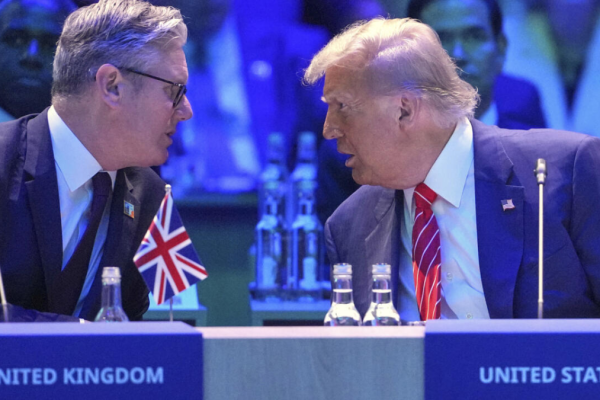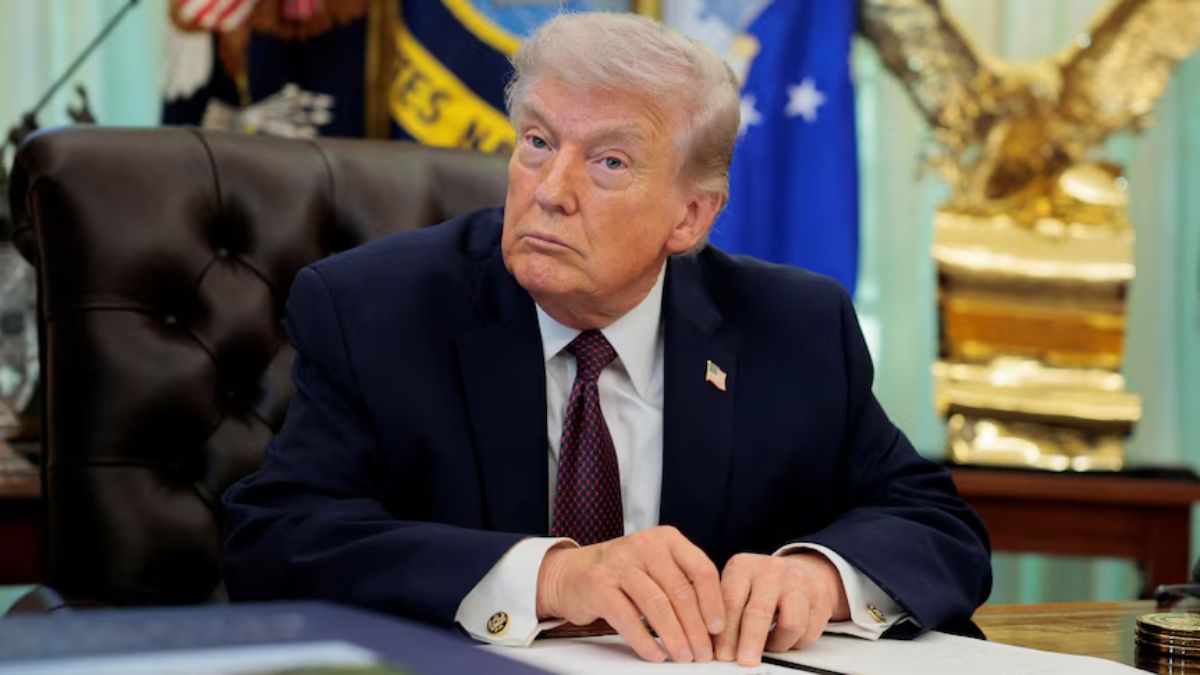
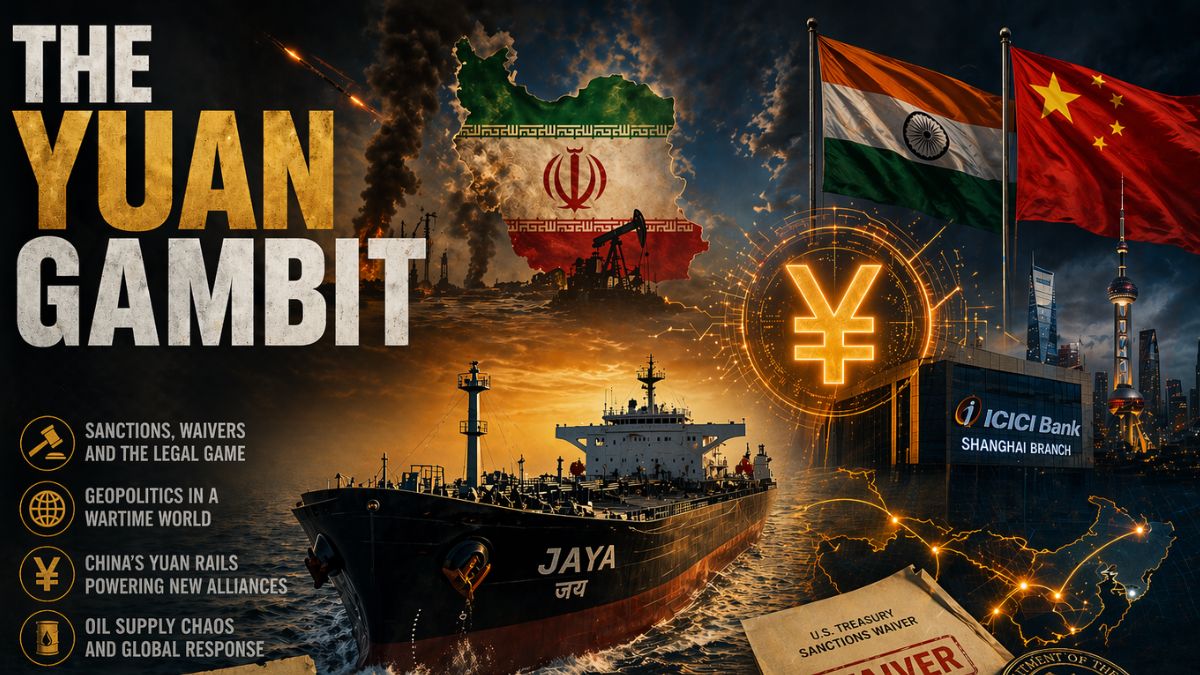
In what could be interpreted as a dramatic turn in global energy geopolitics, United States President Donald Trump asserted that India will pivot to Venezuelan oil rather than Iranian crude a claim laden with strategic subtext and significant implications for international relations, legal norms and energy security architecture.

Trump’s statement, delivered aboard Air Force One en route to Florida, comes at a time when New Delhi’s oil import patterns, Washington’s sanctions policies and broader geopolitical contests are all in flux, prompting a deeper examination of what is fact, what is assertion and what it means in a world where energy and power politics intersect.

Shifting energy alliances: The context behind Trump’s assertion

According to open sources and corroborated by Trump’s remarks, the United States has signalled that India could soon resume purchases of Venezuelan crude as a way of compensating for waning Russian oil imports.

For the better part of the last few years, India’s crude import basket has been shaped by sanctions pressure, discount incentives and strategic diversification:

  • India’s purchases of Iranian oil have remained minimal due to long-standing US sanctions.

  • After Russia’s invasion of Ukraine in 2022 and subsequent Western sanctions, Indian refiners turned to discounted Russian crude, making Moscow one of India’s largest suppliers.

  • Washington responded with escalating tariffs on Indian goods including a 50 per cent levy tied to Russian crude purchases as a lever to influence New Delhi’s energy strategy.

Amid declining Russian imports, the US has eased some sanctions on Venezuela’s oil sector to facilitate sales, making Caracas a potential alternative source. This gesture also reflects broader US aims to reduce revenue streams to Russia while undercutting Tehran’s influence.

In this context, Trump’s pronouncement could be both a diplomatic signal and a geopolitical gambit.

India’s position: Energy security, legal constraints and policy autonomy

While Trump’s claim paints an assertive picture of an India-Venezuela oil deal, the reality on the ground suggests a far more nuanced and legally complex scenario.

First is that India has not confirmed the deal

So far, no official statement from New Delhi or the Indian Ministry of External Affairs has confirmed a binding oil import agreement with Venezuela. Trump’s formulation that “we’ve already made that deal, the concept of the deal” suggests a preliminary or aspirational arrangement rather than firm contractual commitments.

In diplomatic terms, India’s engagement on Venezuelan oil remains exploratory and contingent on regulatory, commercial and geopolitical factors. Until Indian refiners or the government announce cargo agreements or formal commitments, the assertion remains speculative.

Second is operational and legal realities on refining heavy Venezuelan Crude

Venezuelan crude grades are typically heavy and high in sulphur, requiring specialised refinery capacities. Some Indian refineries including those operated by Reliance Industries and Hindustan Petroleum Corporation have the technical capability to process such crudes, and there have been earlier market indications that Indian refiners were eyeing Venezuelan cargoes.

However, the legal landscape matters: Venezuela’s oil industry has been subject to US sanctions for years. While Washington has eased some restrictions, existing sanctions regimes still constrain production and export frameworks. Any Indian direct oil import would have to navigate complex compliance pathways, particularly if transactions involve US dollars or US-linked shipping channels.

Third is strategic autonomy and geopolitical signals

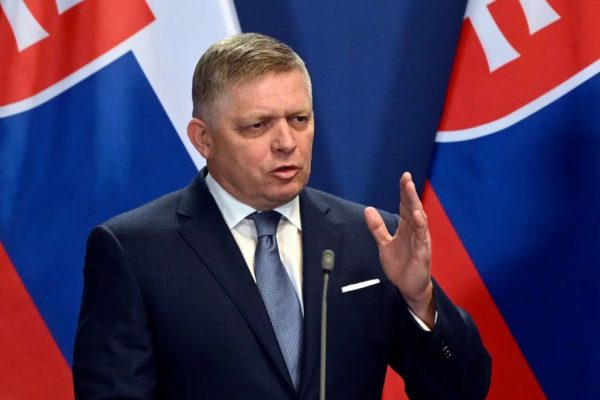
For India, energy security is not purely transactional. New Delhi has consistently emphasised its strategic autonomy, balancing relationships with Washington, Moscow, Tehran and Riyadh while pursuing diversified energy sourcing.

A sudden pivot to Venezuelan oil at the explicit prompting of the US could raise questions about India’s independent policy orientation, especially in a geopolitical environment where energy imports are deeply intertwined with national security and diplomatic leverage.

Global impact: Russia, China and the broader energy game

Trump’s remarks also pointed to a broader ambition: opening the Venezuelan oil market to China as well. If Washington can broker deals with both India and China, it would signal an unprecedented shift in global energy flows, straddling rivals and allies alike.

For Russia, any erosion of its market share in India has economic and strategic consequences, given its reliance on energy revenues to sustain its war economy. For Iran, which remains under heavy US sanctions, losing a potential large buyer like India would be a diplomatic setback and could erode its influence across South Asia.

Meanwhile, the global oil market already volatile due to supply shifts, geopolitical risk and OPEC plus  strategies could face new pricing distortions if Venezuelan crude suddenly becomes a more central component of India’s energy mix.

A statement with layers of strategic ambiguity

Donald Trump’s claim that India will buy Venezuelan oil instead of Iranian crude is a bold assertion with multiple dimensions:

  • It reflects US attempts to reshape global energy alliances and influence New Delhi’s import decisions.

  • It highlights India’s complex balancing act between energy needs, legal compliance and strategic autonomy.

  • It underscores the ongoing evolution of global oil geopolitics, where sanctions, tariffs and diplomacy increasingly define supply patterns.

Yet, without clear official confirmation from India and concrete commercial agreements, the narrative remains as much about geopolitical signalling as it is about actual energy trade flows.

In an era where energy security intersects with international law, market realities and power politics, this episode suggests that the world’s energy map is still very much in flux and India remains at its centre.