

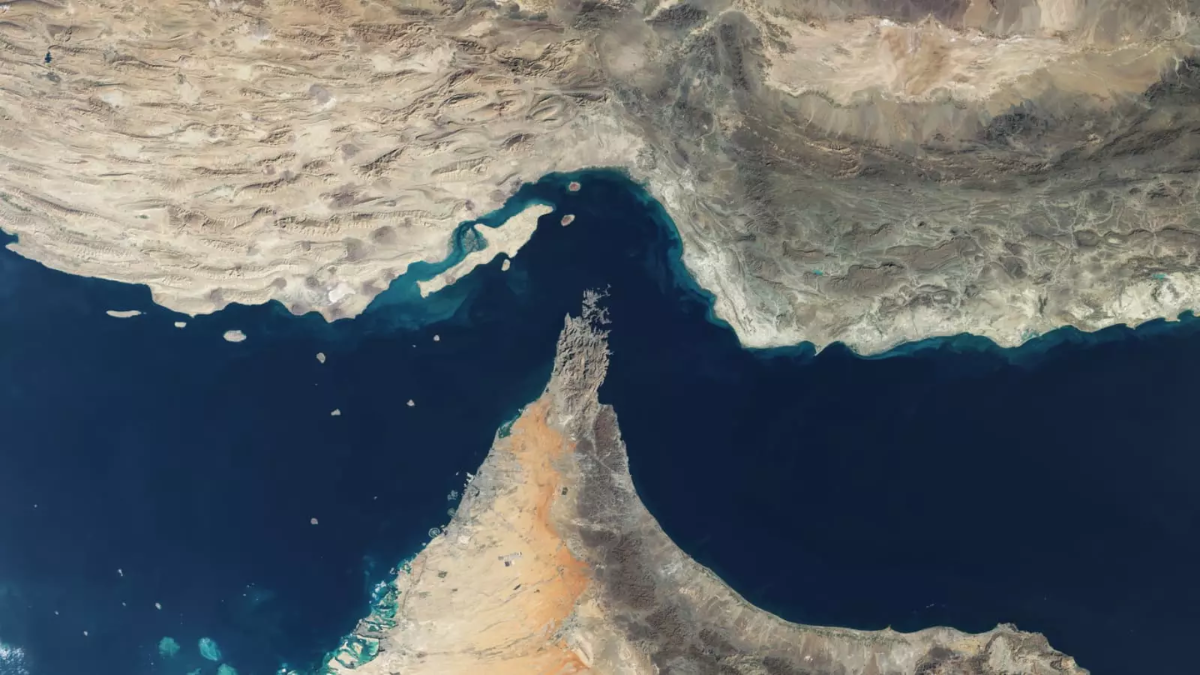
The available reporting shows that the Strait of Hormuz has begun to reopen after the ceasefire, but only cautiously and under heavy uncertainty. A small number of vessels have already transited, yet traffic remains far below normal, and shippers are still treating the route as risky rather than fully restored.
What is happening
News reports indicate that several ships have crossed the strait after the ceasefire announcement, including oil-related cargoes, but the flow is nowhere near ordinary levels. The first crossings have been described as limited and tightly watched, with many vessels still waiting outside the waterway for clearer conditions. That means the correct picture is not a full shutdown, and not a full return to normal either. It is a partial reopening, where movement has resumed but confidence has not.
Why the distinction matters
This matters because the Strait of Hormuz is one of the most important energy routes in the world. Even a short disruption can send oil prices higher, raise freight costs, and make insurers more cautious about covering tankers. When a ceasefire reduces immediate danger, markets often relax quickly, but they still need proof that ships can move consistently before pricing the risk out of the system. In practical terms, one or two successful transits are not enough to restore confidence. Traders, shipowners, and insurers are looking for regular passage without threats, inspections, delays, or renewed military pressure.
What should be said accurately?
The most accurate way to frame the story is this: some oil-related vessels have resumed transit through the Strait of Hormuz after the ceasefire, but traffic remains sharply restricted and highly uncertain. It would be wrong to say that no transits have been confirmed, because there are already reports of ships moving through. It would also be wrong to say the Strait is back to normal, because the available evidence shows continued disruption and caution.
Broader impact
For global energy markets, the partial reopening is enough to calm panic but not enough to eliminate risk. Brent crude has already fallen on the ceasefire news, showing that markets welcome any sign of stability, but prices can rise again quickly if the ceasefire weakens or if shipping conditions worsen. So the real story is not simply that Hormuz has reopened. The real story is that it has reopened only partially, and the region is still one bad decision away from renewed disruption.