

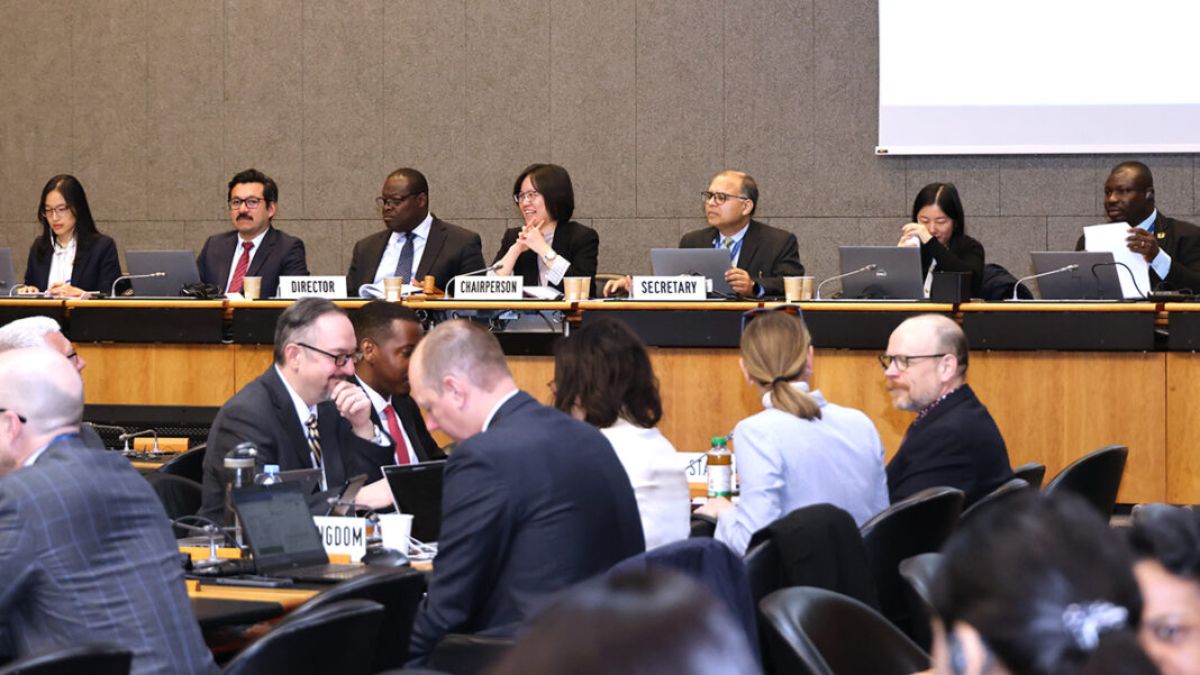
A coalition of members at the World Trade Organization Ministerial Conference (MC14) has moved forward with plans to operationalise elements of a global digital trade framework, marking a significant step in efforts to modernise trade rules in line with the expanding digital economy.
More than 60 WTO members participating in the Joint Statement Initiative (JSI) on e-commerce confirmed progress toward interim arrangements that would allow participating countries to implement agreed provisions while continuing discussions on integrating the framework into the WTO’s legal architecture. The initiative, launched in 2017, focuses on establishing baseline disciplines covering cross-border data flows, electronic transactions, and digital trade facilitation.
Officials involved in the negotiations indicated that the interim pathway is designed to enable participating members to move ahead with implementation once domestic procedures are completed. While the framework does not yet form part of the WTO’s multilateral agreements, it is expected to function among participating countries, creating a degree of regulatory alignment in digital trade practices.
Trade representatives from several economies welcomed the development, highlighting the growing importance of digital trade in global commerce. Digital transactions are now estimated to account for a substantial share of global economic activity, reinforcing the need for predictable and transparent rules to support cross-border business operations.
Director-General Ngozi Okonjo-Iweala has emphasized that digital trade represents a critical area for future growth, noting that coordinated frameworks can help reduce barriers, enhance efficiency, and expand participation in international markets. Participating members also stressed that the initiative aims to support businesses of all sizes, particularly micro, small, and medium enterprises (MSMEs), by simplifying processes and lowering transaction costs.
Countries backing the initiative, including advanced and emerging economies, underlined that interim arrangements would provide greater certainty for businesses engaged in digital trade. They noted that the framework could facilitate smoother electronic transactions, improve regulatory coherence, and strengthen trust in cross-border digital exchanges.
At the same time, the initiative has highlighted ongoing divisions within the WTO over the use of plurilateral approaches. While participating members view such arrangements as a pragmatic response to the slow pace of consensus-based negotiations, others have raised concerns about inclusivity and the potential fragmentation of the global trading system.
Developing countries have stressed that digital trade rules must take into account differences in infrastructure, regulatory capacity, and levels of digital readiness. In response, the framework includes provisions aimed at capacity building, technical assistance, and flexible implementation timelines to support broader participation.
Economic assessments referenced during discussions suggest that clearer digital trade rules could unlock significant gains by reducing barriers and facilitating cross-border activity. As digital trade continues to expand, alignment with evolving standards is increasingly seen as essential for maintaining competitiveness in global markets.
The developments come amid broader challenges facing global trade, including geopolitical tensions and disruptions in traditional supply chains. Instability in key maritime routes has underscored vulnerabilities in physical trade flows, while digital trade has remained relatively resilient, further increasing its strategic importance.
Participating members reiterated that the interim arrangements are intended as a stepping stone toward eventual incorporation into the WTO framework, maintaining a link with the multilateral system while allowing progress in the near term. The approach reflects a broader shift toward flexible, issue-specific cooperation within the WTO, particularly in rapidly evolving sectors.
The contrast between this initiative and recent multilateral achievements, such as the WTO Agreement on Fisheries Subsidies, highlights the organization’s evolving role. While consensus-based agreements continue to address traditional trade issues, plurilateral initiatives are increasingly driving rule-making in newer areas like digital trade.
Analysts suggest that this dual-track approach may define the future of global trade governance, balancing the need for inclusivity with the urgency of adapting to technological change. As more economies integrate digital components into trade agreements, the importance of coherent and widely accepted rules is expected to grow.
As MC14 continues, the progress on digital trade underscores a broader transformation in the WTO system. The challenge ahead will be to ensure that emerging frameworks remain inclusive and development-oriented while delivering the efficiency and certainty needed in a rapidly changing global economy.