

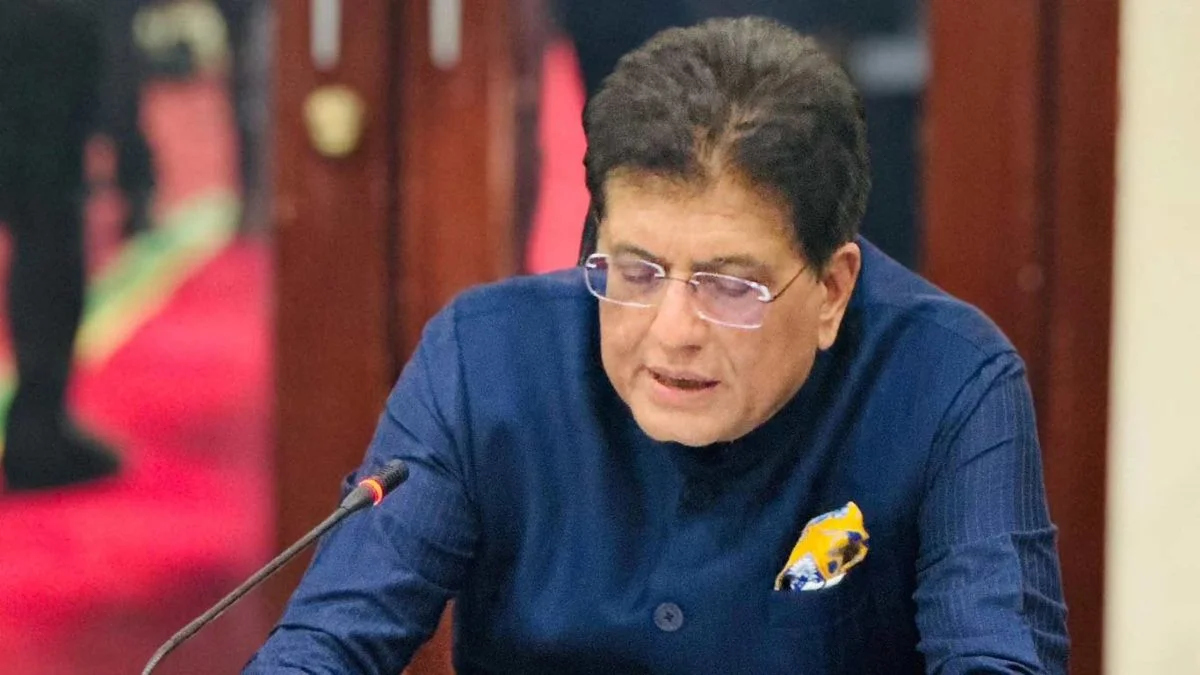
India stepped up its bilateral trade diplomacy alongside multilateral engagement at the WTO Ministerial Conference MC14, with Commerce Minister Piyush Goyal leading a series of high-level meetings aimed at expanding trade partnerships and accelerating free trade agreements (FTAs).
Officials confirmed that India’s ongoing negotiations with key partners, including the European Union and New Zealand, have progressed toward the final stages, with both agreements expected to significantly boost trade volumes once concluded. Talks with Chile and Peru are also advancing, targeting expanded market access and stronger merchandise trade ties.
The developments come as India adopts a dual-track strategy defending multilateral principles at the World Trade Organization while simultaneously strengthening bilateral and regional trade agreements to secure immediate economic gains.
On the sidelines of MC14, Goyal held meetings with ministers and officials from several countries, including the Netherlands, France, Ethiopia, and others, focusing on sectors such as pharmaceuticals, clean energy, agriculture, and manufacturing. These engagements were complemented by parallel discussions led by Commerce Secretary Rajesh Agrawal with partners including the United States, Russia, Saudi Arabia, and multiple developing economies.
Trade officials indicated that the broad outreach reflects India’s effort to diversify markets and reduce dependence on any single region, especially in a period marked by global supply chain disruptions and economic uncertainty.
The push for bilateral agreements comes at a time when global trade flows are under pressure from geopolitical tensions and energy supply challenges. Disruptions in key maritime routes such as the Strait of Hormuz have raised concerns over the stability of commodity supply chains, including crude oil and fertilisers, which are critical for industrial and agricultural production.
Against this backdrop, India’s trade strategy is increasingly focused on securing reliable supply chains while expanding export opportunities. Agreements under negotiation are expected to improve access for Indian goods and services, enhance investment flows, and strengthen integration into global value chains.
The European Union and New Zealand agreements, once finalized, are expected to open significant opportunities across sectors, including manufacturing, services, and technology. Similarly, negotiations with Chile and Peru are aimed at strengthening India’s presence in Latin American markets, particularly in commodities and agricultural trade.
India is also leveraging South-South cooperation to expand trade ties with developing economies. Discussions with countries such as Ethiopia, Nepal, and the Philippines have focused on capacity building, textiles, and infrastructure development, reflecting a broader effort to deepen economic engagement across regions.
At the same time, India has reiterated its commitment to multilateralism. During his address at the conference, Goyal emphasized the need to preserve core WTO principles such as consensus-based decision-making, non-discrimination, and special and differential treatment for developing countries. He stressed that reforms to the global trading system must remain inclusive and development-oriented.
The minister also highlighted the successful implementation of the WTO Agreement on Fisheries Subsidies as an example of effective multilateral cooperation. The agreement is expected to create a more level playing field in global fisheries trade while addressing sustainability concerns.
Analysts note that India’s approach reflects a pragmatic balance between long-term institutional reform and short-term economic priorities. While multilateral negotiations often move slowly due to the need for consensus, bilateral agreements allow countries to achieve faster outcomes and respond to evolving trade dynamics.
With India targeting significant growth in exports over the coming years, expanding trade agreements and strengthening global partnerships remain central to its strategy. The government is also supporting these efforts through domestic reforms, including digital trade facilitation, improved logistics, and financial incentives for exporters.
As discussions continue at MC14, India’s active engagement on both bilateral and multilateral fronts underscores its growing role in shaping global trade dynamics. The outcomes of ongoing negotiations are expected to play a key role in determining the trajectory of India’s trade expansion in the coming years.