

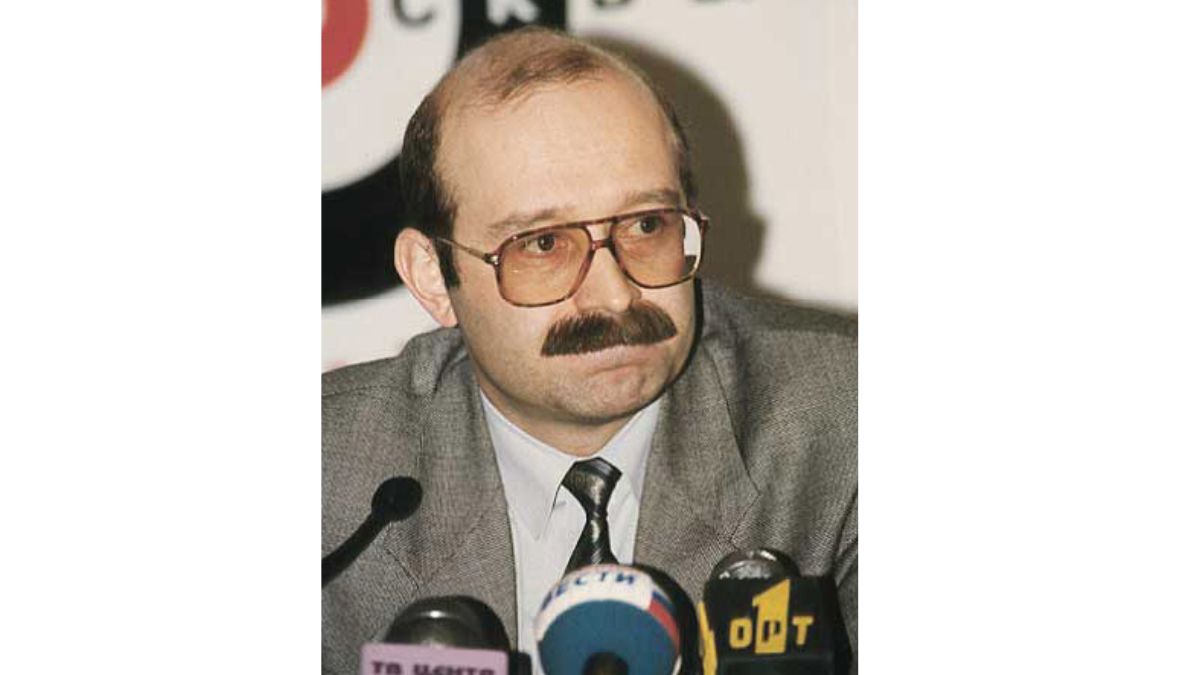
In a closely watched development within the evolving sanctions landscape, the United States has formally removed Russian national Mikhail Zadornov from its sanctions list, according to an update published on the website of the US Department of the Treasury on 3 April 2026. The decision, while significant at an individual level, has been explicitly framed by United States officials as a technical or case specific adjustment rather than a signal of any broader recalibration in Washington’s sanctions policy towards Russia.
Sanctions imposed by the United States against Russian individuals and entities form part of a comprehensive economic strategy developed in response to geopolitical tensions, particularly following Russia’s actions in Ukraine since 2022. These measures have targeted a wide spectrum of actors, including political figures, business leaders, financial institutions, and industrial sectors. Within this broader framework, delisting actions such as the removal of Mikhail Zadornov are not unprecedented. Sanctions regimes often include mechanisms for review, allowing for adjustments where legal, evidentiary, or policy considerations warrant a change in designation. However, the sensitivity of such decisions necessitates clear communication, particularly given the potential for markets and political observers to interpret them as indicators of shifting policy direction.
A United States official, speaking in connection with the development, emphasised that the delisting “does not reflect a larger change” in Washington’s stance on sanctions against Russia. This clarification is critical in maintaining the integrity and perceived consistency of the sanctions regime. The United States continues to enforce one of the most extensive sanctions frameworks globally, aimed at exerting economic pressure on Russia while constraining its access to international financial systems and strategic resources. In this context, the removal of a single individual is best understood as an administrative or evidentiary decision rather than a geopolitical signal.
From a legal perspective, sanctions designations are subject to periodic review. Individuals or entities may be removed from sanctions lists if: The underlying basis for designation is no longer applicable, sufficient evidence emerges to challenge the original listing and policy considerations evolve in a manner that justifies delisting. While specific details regarding Zadornov’s removal have not been publicly disclosed, the process typically involves interagency review and, in some cases, engagement with legal representations. Such procedural safeguards are essential in ensuring that sanctions regimes remain credible, proportionate, and aligned with both domestic legal standards and international obligations.
Although the immediate market impact of this particular delisting is likely to be limited, the development carries broader interpretative significance. In an environment where sanctions are closely monitored by investors, governments, and multinational corporations, even isolated changes can attract attention. The prompt clarification by United States officials serves to mitigate any potential misinterpretation, reinforcing the message that the overarching sanctions architecture remains firmly in place. Diplomatically, the move is unlikely to alter the current trajectory of relations between Washington and Moscow, which continue to be defined by strategic competition and ongoing geopolitical tensions.
The removal of Mikhail Zadornov from the United States sanctions list illustrates the nuanced and procedural nature of modern sanctions regimes. While the broader policy framework remains unchanged, such adjustments highlight the importance of maintaining legal precision and administrative flexibility within an otherwise rigid system. As global sanctions continue to serve as a central instrument of foreign policy, the balance between consistency and adaptability will remain a defining feature of their effectiveness.