

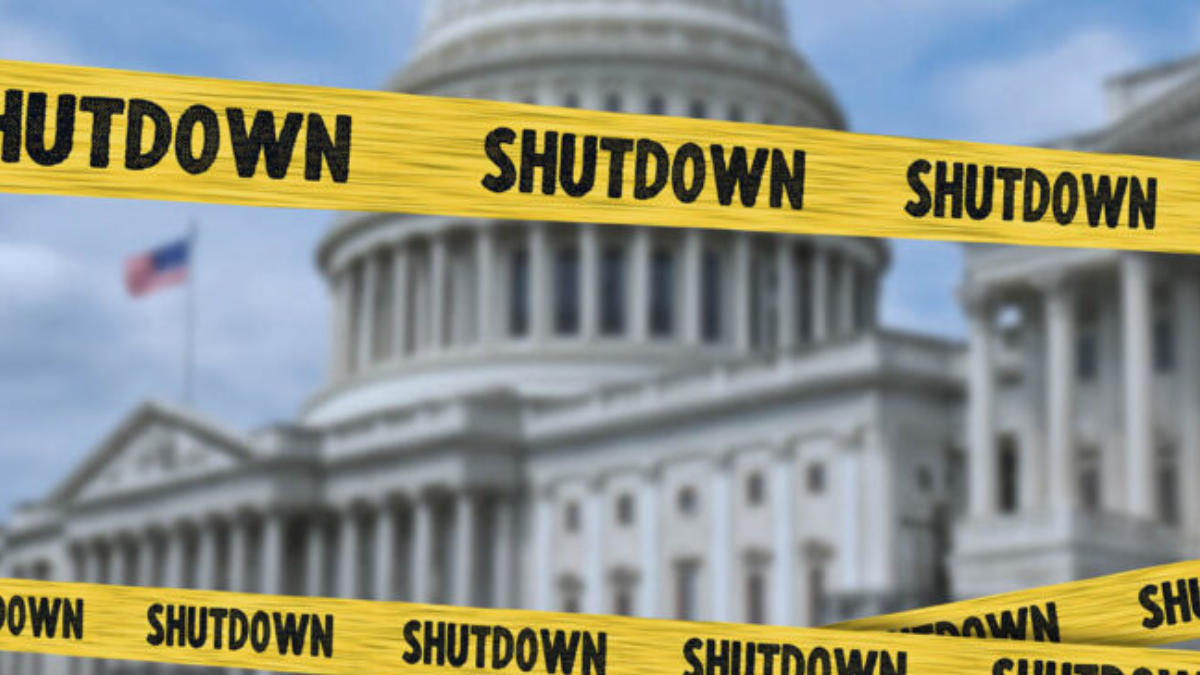
The unprecedented 44-day funding lapse affecting the Department of Homeland Security represents the longest government shutdown in United States history and exposes deep structural tensions within American constitutional governance. As lawmakers remain locked in a prolonged stalemate, the crisis transcends domestic political dysfunction and enters the domain of legal scrutiny, administrative breakdown, and international concern. The shutdown is not merely a budgetary impasse but a constitutional stress test that raises serious questions regarding separation of powers, statutory compliance, and the global reliability of the United States as a governance model.
Constitutional Foundations and the Power of the Purse
At the core of the shutdown lies the constitutional allocation of fiscal authority between Congress and the Executive, rooted in Article I of the United States Constitution. Congress retains exclusive authority to appropriate funds, thereby embodying the principle that public expenditure must be subject to legislative consent. The Executive branch, however, is responsible for implementing and administering these funds, creating an inherent interdependence that becomes vulnerable during political deadlock. The failure to pass appropriations legislation for the Department of Homeland Security reflects a breakdown in this constitutional equilibrium. While political disagreement is an accepted feature of democratic governance, the prolonged inability to resolve funding disputes raises concerns about constitutional dysfunction. The situation becomes legally complex when executive agencies are compelled to operate without appropriated funds, thereby invoking statutory constraints that limit their operational capacity.
The Anti-Deficiency Act and Legal Constraints on Government Functioning
The shutdown is governed by the strict provisions of the Anti-Deficiency Act, which prohibits federal agencies from incurring obligations or making expenditures in the absence of appropriations. This statute is central to understanding the legal architecture of government shutdowns, as it effectively mandates the suspension of non-essential services while permitting limited operations deemed necessary for the protection of life and property. In practice, this results in a fragmented administrative landscape where certain functions continue under the classification of essential services, while others are halted entirely. Employees designated as essential are required to work without immediate compensation, raising serious legal and ethical questions regarding labour rights and fair remuneration. Although back pay is typically authorised retrospectively, the interim period creates financial hardship and undermines principles of administrative justice.
National Security Implications and the Legal Paradox
The Department of Homeland Security occupies a critical position within the national security framework of the United States, encompassing border protection, counter terrorism, and emergency response. A prolonged funding lapse, therefore, generates a legal paradox in which essential security functions must continue despite statutory prohibitions on unauthorised expenditure. This tension exposes the limitations of existing legal frameworks in addressing modern security challenges. While the Anti-Deficiency Act allows exceptions for activities necessary to safeguard human life, the interpretation of this standard is inherently subjective and may lead to inconsistent application across agencies. The result is a precarious balance between legal compliance and operational necessity, with potential consequences for national and international security.
International Repercussions and the Credibility of Governance
The shutdown carries significant implications beyond domestic borders, particularly in relation to the United States’ standing within the United Nations system and its broader role in global governance. As a leading actor in international security and economic stability, prolonged institutional paralysis undermines confidence in the reliability and continuity of American commitments. Allied states may reassess their strategic dependencies, particularly in areas such as intelligence sharing and joint security operations. The shutdown also affects immigration processing, border management, and international travel, thereby creating ripple effects across global mobility systems. From a legal perspective, the inability of a state to ensure uninterrupted administrative functioning raises questions regarding its capacity to fulfil international obligations.
Judicial Non-Intervention and the Limits of Legal Remedies
One of the most striking aspects of the shutdown is the limited role of the judiciary in resolving the crisis. United States courts have traditionally refrained from intervening in appropriations disputes, viewing them as political questions beyond the scope of judicial review. This restraint reflects a commitment to the doctrine of separation of powers but also highlights a significant gap in legal accountability. As a result, the resolution of the shutdown remains entirely dependent on political negotiation rather than legal adjudication. This absence of judicial recourse underscores the vulnerability of constitutional systems to prolonged stalemate, particularly when institutional actors fail to reach consensus.
Conclusion: A Crisis of Law, Governance, and Institutional Integrity
The 44-day shutdown of the Department of Homeland Security represents more than a fiscal impasse; it is a profound legal and constitutional crisis that challenges the foundations of governance in the United States. The interplay between the United States Constitution, the Anti-Deficiency Act, and the realities of modern administration reveals structural weaknesses that are increasingly difficult to reconcile. From an international perspective, the crisis diminishes the credibility of the United States as a stable and reliable actor, with potential long-term consequences for global governance and legal order. Ultimately, the resolution of such crises requires not only political compromise but a re-examination of the legal frameworks that govern fiscal responsibility and institutional continuity.