

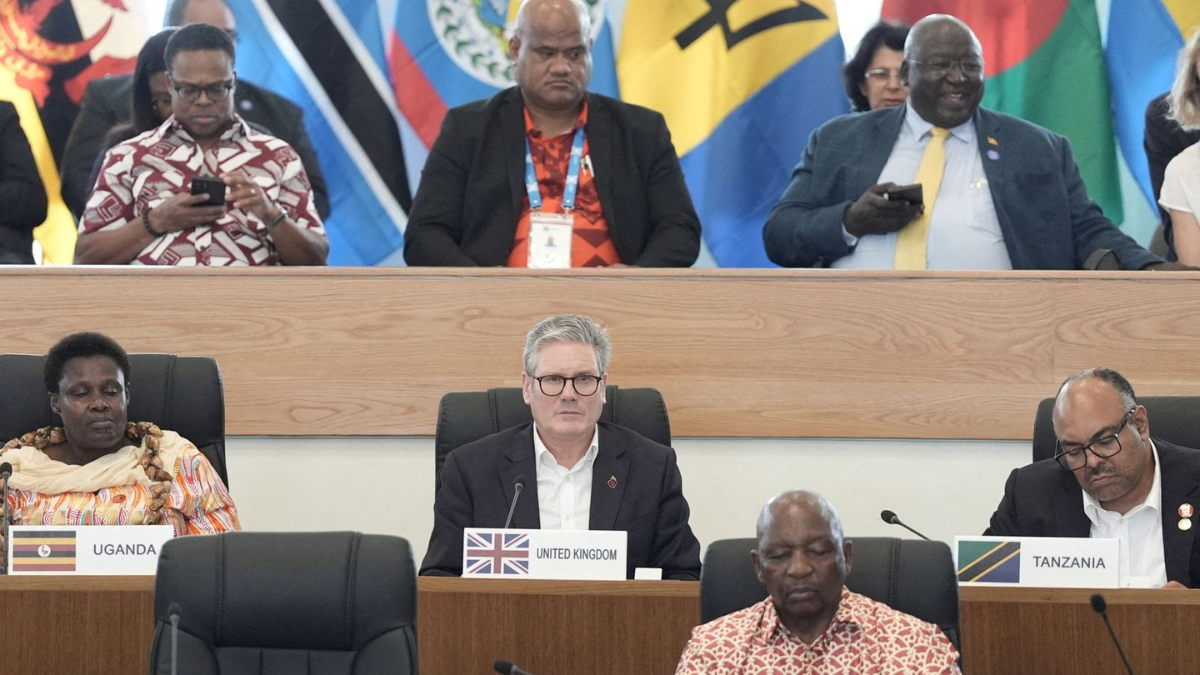
Michael Deacon’s line about “spurious demands from African leaders” is a reaction to renewed calls for slavery reparations and compensation, but it is also a politically loaded framing that critics would describe as dismissive and deliberately provocative. In the article, he tells Sir Keir Starmer not to be “taken in” by what he portrays as opportunistic claims from African governments, arguing that such demands should be treated as scams rather than serious diplomatic requests.
What the piece is actually about
The immediate context is the growing international debate over slavery reparations and historical justice, including a recent UN vote recognising the enslavement of Africans as one of humanity’s gravest crimes. That debate has pushed some governments and activists to call for financial redress, apology, or policy changes from former colonial powers, including the UK. Deacon’s column argues the opposite: that these demands are not grounded in fairness or practicality, and that British ministers should reject them outright. His advice to Starmer is therefore less a neutral policy suggestion than a rhetorical warning against agreeing to any formal reparations process. The piece presents African leaders as a category to be viewed with suspicion, which is why it has attracted attention well beyond the reparations issue itself.
Why is it controversial
The language is controversial because it frames African leaders as collectively dishonest or manipulative, rather than engaging with the substance of reparations arguments. Critics would say that this reduces a serious historical and legal debate to a caricature and reinforces a patronising view of African political claims. Supporters of the column, by contrast, would say it is simply blunt commentary against what they see as unrealistic or politically motivated demands. The controversy also reflects a wider dispute over Britain’s relationship with the Global South, where issues such as colonial legacy, development funding and historical responsibility remain politically sensitive. By telling Starmer not to be “taken in,” Deacon is effectively urging a hard line and warning against symbolic concessions. That makes the line politically sharp, even if its factual basis is a matter of editorial opinion rather than verifiable reporting.
What this means politically
For Starmer, the advice carries a clear message: do not allow reparations debates to dictate government policy. In practical terms, that means resisting pressure for formal negotiations over slavery reparations, even if other governments or international bodies continue to raise the issue. The piece fits a broader pattern of scepticism toward identity-driven or historical claims framed as financial obligations, especially when those claims involve Britain’s colonial past. The wider political significance is that this kind of column can shape how readers think about foreign policy, race, history and diplomacy all at once. Whether one sees it as plain speaking or as inflammatory stereotyping depends largely on where one stands on reparations itself. What is clear is that the article is not making a neutral factual report, but a forceful ideological argument against treating African reparations demands as legitimate state claims