

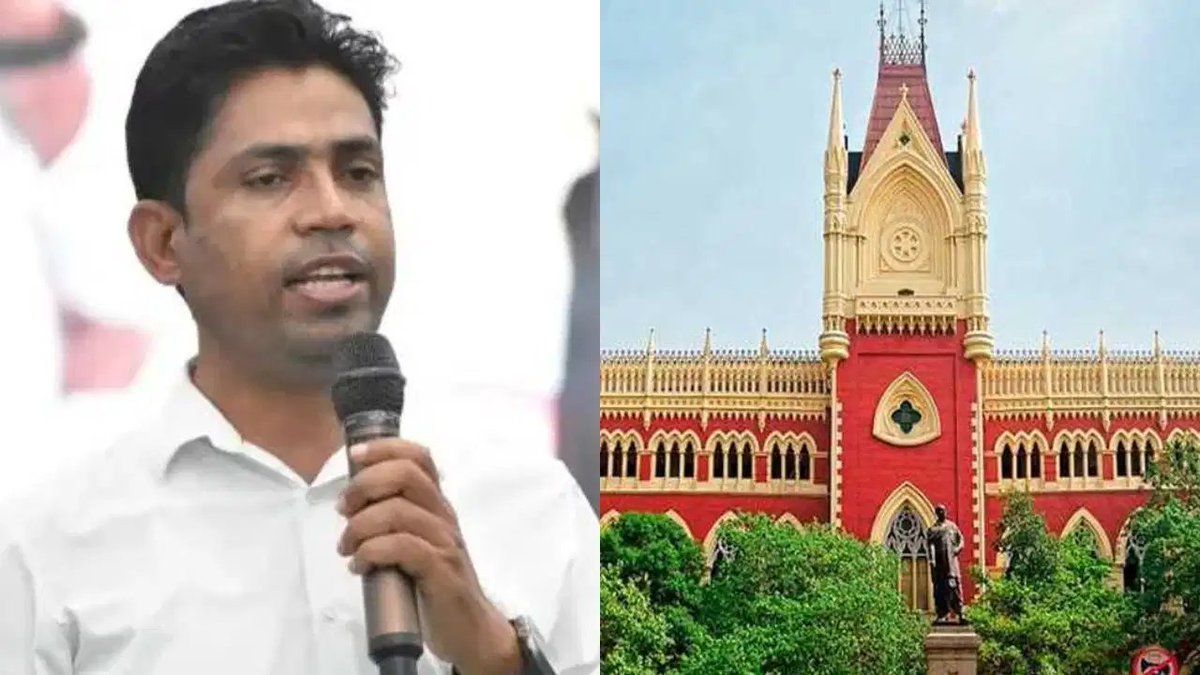
The Calcutta High Court on Tuesday vacated the interim protection earlier granted to Jahangir Khan, dealing a significant legal setback to the Trinamool Congress leader amid ongoing proceedings linked to allegations against him.
According to court proceedings, the interim relief that had protected Khan from coercive action was withdrawn after the matter came up for hearing before the High Court. The court’s latest order effectively removes the temporary legal shield that had been in place during earlier stages of the case.
Details regarding the specific grounds cited by the court while vacating the interim protection were not immediately available at the time of reporting. Legal proceedings connected to the matter are expected to continue in the coming days.
Jahangir Khan has remained under political and legal spotlight in recent months, particularly amid heightened political tensions in West Bengal following the Assembly elections and local-level political controversies.
The development is likely to intensify political confrontation between the ruling All India Trinamool Congress and opposition parties, especially as legal cases involving political leaders continue to draw public attention across the state.
Courtroom proceedings related to politically sensitive cases in West Bengal have frequently become flashpoints for wider political debates involving law enforcement, governance and allegations of political targeting.
Sources familiar with the case indicated that legal representatives for Jahangir Khan may explore further judicial remedies following the High Court’s latest order. However, no official statement had been released by Khan or the Trinamool Congress immediately after the hearing.
The case had earlier attracted attention after the High Court granted interim protection, temporarily preventing coercive steps against the TMC leader while legal arguments were being examined.
Legal experts note that vacating interim protection does not amount to a final verdict in the matter but allows investigating agencies to proceed according to law, subject to future court directions.
The ruling comes at a politically sensitive time in West Bengal, where multiple legal and corruption-related investigations involving political figures have intensified over the past few years.
The Calcutta High Court has remained central to several major legal and political battles in the state, often hearing petitions involving administrative decisions, election disputes and criminal investigations linked to political personalities.
Observers believe the latest order could trigger fresh political reactions from both ruling and opposition camps, particularly given the significance of Jahangir Khan’s political presence in parts of South Bengal.
Further hearings and legal developments in the case are expected as judicial proceedings continue.