

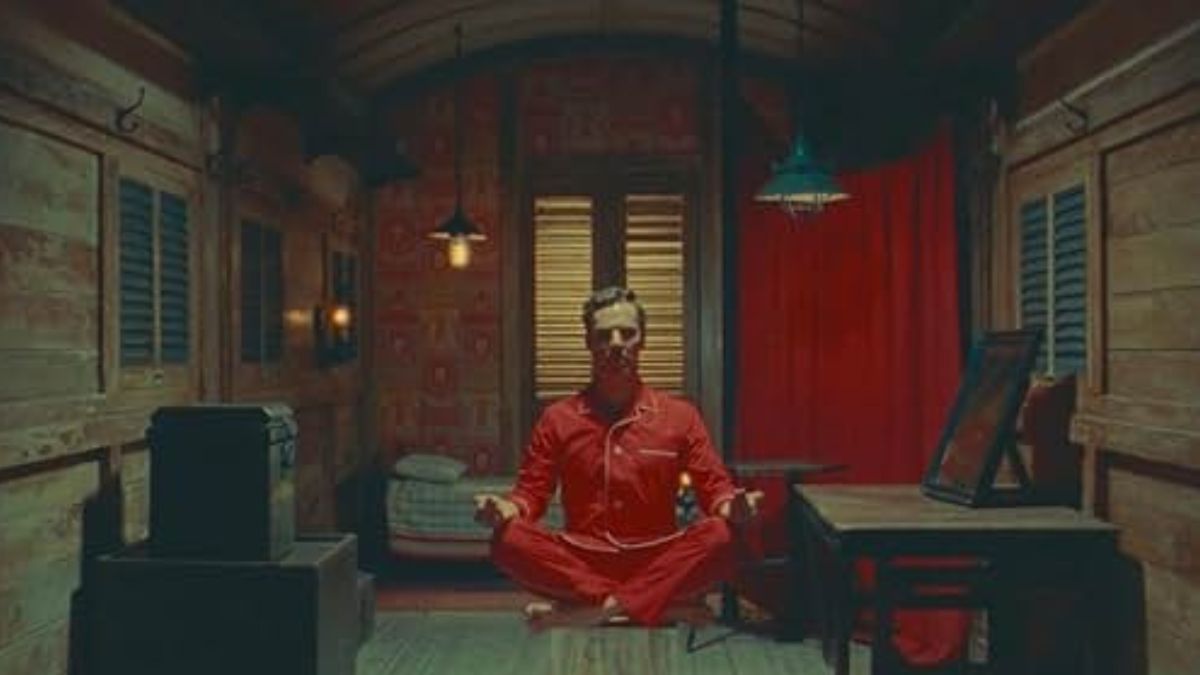
Struggling to be present usually doesn’t mean you’re doing something wrong. It often means your mind has gotten used to being somewhere else.
One of the biggest reasons is overthinking. When your thoughts are constantly active, analyzing, planning, replaying, or trying to understand everything, your attention gets pulled away from what’s actually happening right now. Even simple moments get interrupted by mental noise.
Another reason is constant self-awareness. When you’re used to observing yourself, how you’re acting, how things feel, whether everything is “right,” you’re not fully inside the moment. Part of you is always watching, and that split makes it hard to feel grounded.
There’s also the habit of anticipating what’s next. If your mind is always thinking ahead, what you need to do, what might happen, what you should prepare for, it stays slightly tense. Presence requires a sense of safety in the current moment, and that tension keeps you from settling into it.
Digital overstimulation plays a role too. When you’re constantly switching between content, messages, and information, your brain gets used to quick shifts in attention. Slower, quieter moments can start to feel uncomfortable or empty, even though that’s where presence usually lives.
Another layer is emotional avoidance. Being present means feeling what’s actually there, and sometimes that includes discomfort, boredom, or uncertainty. If your mind is used to moving away from those feelings, it will keep distracting you instead of letting you sit with them.
There can also be pressure behind it. When you tell yourself you “should” be more present, it can turn into another thing to get right. That pressure adds more thinking, which ironically makes presence even harder.
What makes this frustrating is that presence seems simple, but it’s blocked by habits that feel automatic.
The shift doesn’t come from forcing yourself to focus harder. It comes from reducing what’s pulling you away.
Letting some thoughts pass without following them. Allowing moments to be quiet without filling them. Doing small things, like eating, walking, or sitting, without adding anything extra to them.
At first, your mind might resist. It’s used to being active.
But slowly, as you stop feeding that constant movement, your attention begins to settle.
Presence doesn’t come from trying to control your mind. It comes from giving it fewer reasons to leave the moment.
And when that happens, even briefly, you start to feel more connected, not because everything is perfect, but because you’re actually there for it.