

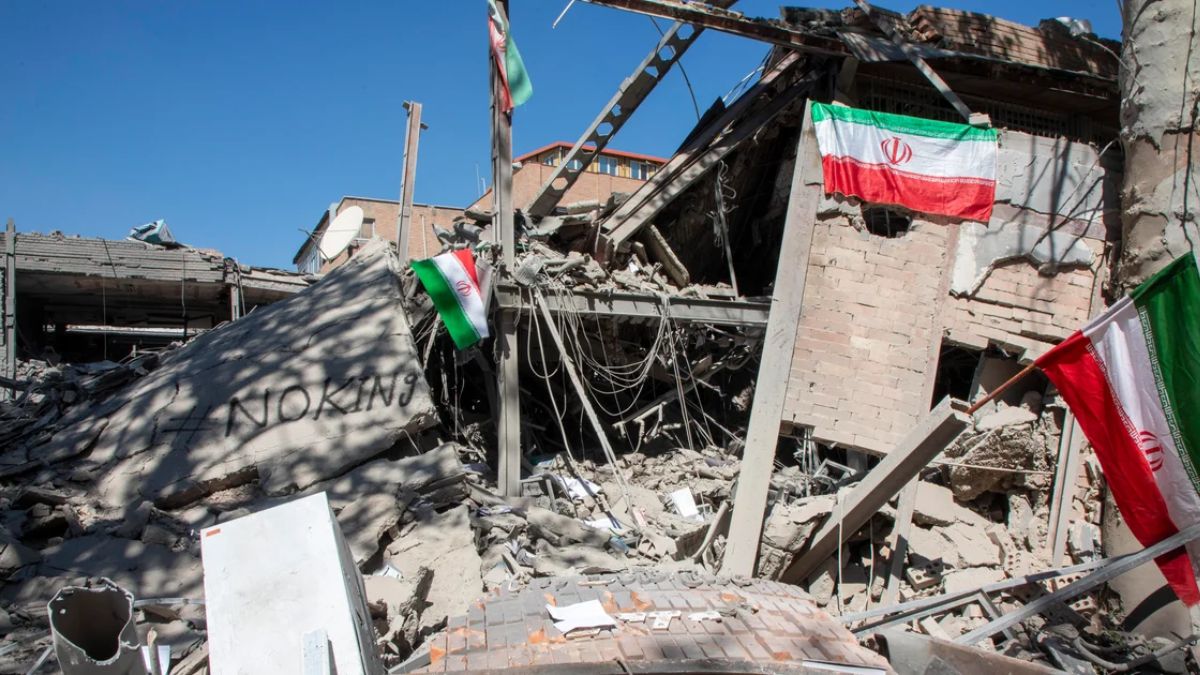
The United States and Iran are signaling that a broader agreement could soon replace the fragile ceasefire that ended weeks of intense military attacks across the Middle East. Diplomatic talks have accelerated in recent days as both sides try to prevent another escalation in the region.
Reports suggest negotiators are now working on turning the temporary truce into a longer-lasting settlement focused on regional stability, shipping security, and future nuclear discussions.
The ceasefire first began in April after months of rising tensions, airstrikes, and attacks linked to the conflict between Iran, the United States, and Israel. Since then, mediators including Pakistan and Qatar have played a major role in keeping negotiations alive.
Iran-US ceasefire talks focus on Strait of Hormuz and oil trade
One of the biggest issues in the negotiations is the reopening and security of the Strait of Hormuz. The waterway handles a huge share of the world’s oil and LNG shipments, making it one of the most important energy routes globally.
According to multiple reports, the proposed agreement could include Iran reopening the Strait of Hormuz without tolls while the United States eases restrictions on Iranian oil exports and shipping access.
The talks are also expected to include a possible 60 day extension of the current ceasefire. During that period, both countries would continue discussions on broader political and security issues.
Oil markets are closely watching the negotiations because any disruption in the Strait of Hormuz can quickly impact global crude prices, fuel costs, and inflation. Brent crude has already remained highly volatile during the crisis.
Iran and United States still face major disagreements
Despite growing optimism, several major disputes remain unresolved. Iran has repeatedly said it does not trust shifting US positions, while Washington continues to push for limits tied to Iran’s military and nuclear activities.
Recent US strikes in southern Iran also created fresh tensions. Iran accused Washington of violating the ceasefire after American forces targeted missile launch sites and mine laying vessels near the Gulf region. The United States described those strikes as defensive operations meant to protect troops and shipping lanes.
Even with those incidents, both sides have continued negotiations instead of walking away from the table. US Secretary of State Marco Rubio recently said a deal could be reached within days if progress continues.
Long-term Iran-US settlement could reshape Middle East stability
A successful agreement could become one of the most important diplomatic developments in the Middle East in recent years. Analysts believe a permanent settlement would reduce risks of further attacks in the Gulf region and stabilize global energy trade.
The proposed framework may also open the door for future negotiations on Iran’s nuclear program, sanctions relief, and regional conflicts involving Iran backed groups. However, officials on both sides have warned that no final deal has been signed yet.