

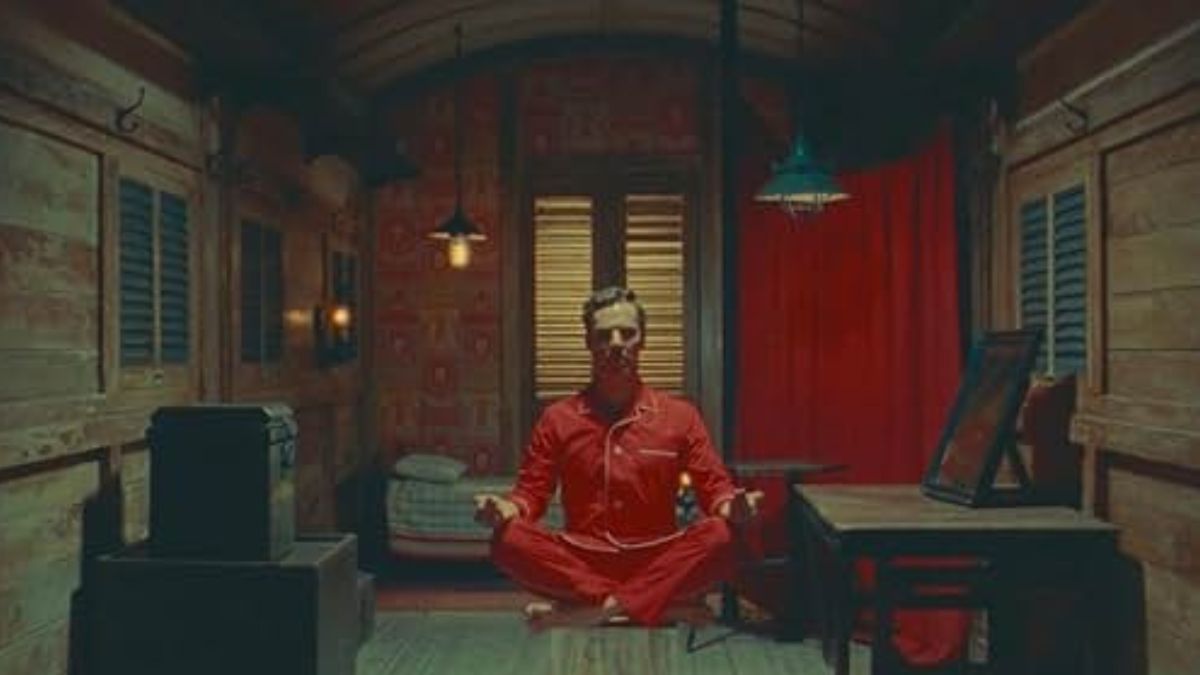
When you lose spontaneity, life can start to feel a little heavier and more controlled than it used to be. You may still be doing everything you need to do, talking to people, making decisions, going through routines, but something inside feels less alive, less flexible, and less natural.
One of the main reasons this happens is overthinking. When your mind starts analyzing your actions before, during, and after they happen, it interrupts the natural flow of behavior. Instead of reacting in the moment, you begin predicting how you should act or how you might be perceived. This constant self monitoring slowly replaces ease with calculation.
Another reason is fear of making mistakes. Spontaneity requires a level of comfort with unpredictability, but when you become more cautious about outcomes, your mind starts trying to control every situation. You begin avoiding anything that feels uncertain or potentially awkward, which reduces natural expression.
Social awareness also plays a big role. As you become more conscious of how others might interpret your behavior, you start filtering yourself more. Instead of speaking or acting freely, you pause to consider how it will come across. Over time, this habit can make interactions feel less fluid and more rehearsed.
Emotional fatigue can also contribute to this loss. When your mind is already tired from stress, pressure, or constant thinking, it tends to conserve energy by becoming more rigid. Spontaneous reactions require emotional availability, and when that energy is low, everything starts to feel more effortful.
Another factor is self identity pressure. If you have built a certain image of yourself, like being calm, responsible, smart, or composed, you may unconsciously avoid behaviors that don’t fit that image. This limits natural expression because you are always trying to stay consistent with how you think you should be.
Over time, this can make life feel less playful. You may notice that you are less likely to say things without thinking, try new things impulsively, or follow sudden ideas. Even small decisions start feeling weighed down by mental processing instead of instinct.
Losing spontaneity also affects emotional experience. Moments that could have felt light or enjoyable may feel slightly controlled or restrained because part of your attention is always on yourself. You are not fully in the moment; a part of you is observing and managing it.
What makes this shift subtle is that it often feels like maturity or responsibility. Being more careful can seem like growth, but when it becomes constant, it can quietly reduce your sense of aliveness. You are functioning well, but with less ease and natural flow.
Another layer is comparison with your past self. You may remember a time when you acted more freely, spoke without hesitation, or reacted more openly. That memory can make your present self feel restricted in comparison, even if nothing is “wrong,” just more guarded.
The important thing to understand is that spontaneity doesn’t disappear completely. It gets covered by habits of control, awareness, and caution. It is still there underneath, but less accessible when the mind is constantly managing every moment.
It starts returning in small ways when you allow yourself to act without overchecking, when you stop judging every reaction, and when you let moments be imperfect without trying to refine them in real time.
Spontaneity is less about changing who you are and more about loosening the constant supervision over yourself.