

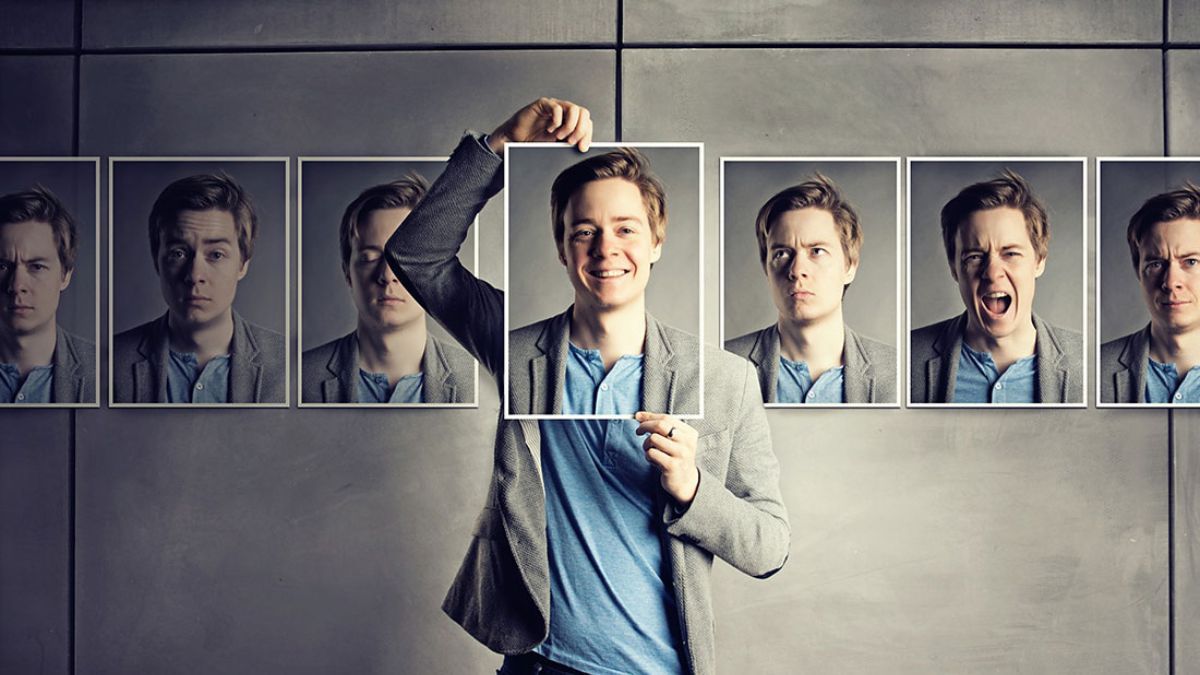
When you crave change but fear it at the same time, it creates a very tense inner push and pull. One part of you feels ready to move forward, while another part holds you back to stay safe in what is familiar.
The desire for change usually comes from awareness. You start noticing what no longer feels aligned, your routines, your environment, your habits, or even your version of yourself. Something inside you recognizes that your current situation doesn’t fully match who you are becoming.
But fear enters because change is not just about improvement, it is also about uncertainty. Even if your current situation feels imperfect, it is still known. Your mind understands how it works, how to navigate it, and what to expect from it. Change removes that predictability.
There is also the fear of loss. Change often means letting go of parts of your life that are familiar. This could be routines, people, identity patterns, or emotional comfort. Even if those things no longer fully fit, they still provide a sense of stability.
Another factor is fear of failure or regret. When you step into something new, there is always uncertainty about how it will turn out. That unknown outcome can make hesitation stronger, even when you clearly feel the need for change.
You might also feel internal conflict between comfort and growth. Comfort keeps you safe in what you know, while growth pulls you toward something unfamiliar. Both are valid needs, and that’s why the tension can feel so strong.
There is also emotional resistance. Even when you logically understand that change is needed, your emotional system may still be attached to your current reality. That attachment doesn’t disappear instantly, so it creates hesitation.
At times, this conflict can feel like being stuck in place. You want something different, but you are not fully able to act on it yet. That in-between state can feel frustrating because neither staying nor changing feels completely satisfying.
Another layer is timing. You may not feel fully ready, even if you are aware that change is needed. That lack of readiness is often emotional rather than logical, and it takes time for internal courage to match internal clarity.
What makes this experience difficult is that both sides feel true. The desire for change is real, and the fear of it is also real. Neither cancels the other out.
Over time, this tension usually softens as you take small steps instead of big leaps. Gradual change helps your mind adjust slowly, making the unknown feel less overwhelming.