

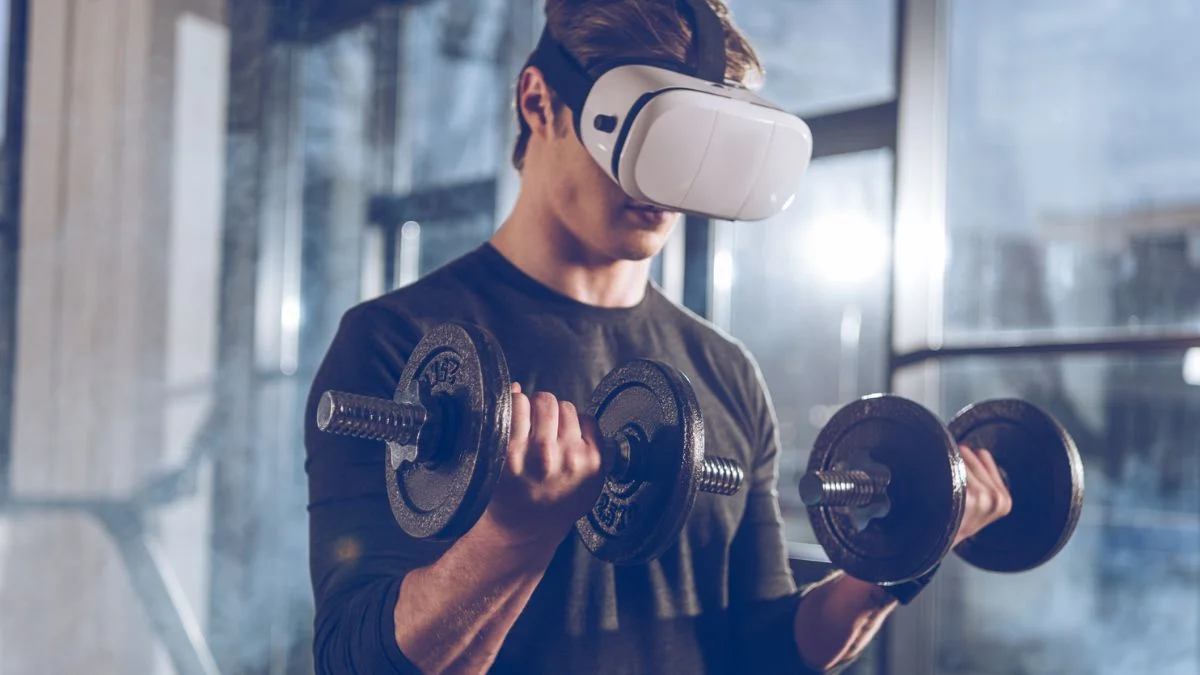
VR fitness and traditional workouts both help people stay active, but they offer very different experiences. VR fitness uses virtual reality to turn exercise into an interactive activity, while traditional workouts usually involve gyms, home routines, or outdoor exercise without digital immersion. Each has its own advantages and drawbacks, depending on personal preferences and goals.
One of the biggest benefits of VR fitness is motivation. Many people find VR workouts more fun because they feel like games rather than exercise. The immersive environment helps distract from tiredness and boredom, making it easier to stay consistent. VR fitness is also convenient, as it allows people to work out at home without needing a gym membership. It can be especially appealing to beginners who feel intimidated by traditional fitness spaces. However, VR workouts may not always provide the same level of resistance training as weightlifting, and wearing a headset for long periods can feel uncomfortable for some users.
Traditional workouts have the advantage of versatility and proven effectiveness. Gyms offer a wide range of equipment for strength training, endurance, and muscle building. Outdoor workouts like running or cycling provide fresh air and natural surroundings. Traditional fitness routines are often better suited for building muscle and improving athletic performance. On the downside, traditional workouts can feel repetitive or boring, and lack of motivation is a common issue. They may also require more time, travel, or money, especially when gym memberships are involved.
In the end, neither option is strictly better than the other. VR fitness is ideal for people who want fun, convenience, and motivation, while traditional workouts work well for those focused on strength, structure, and performance. Many people find that combining both gives them the best balance, keeping exercise effective, enjoyable, and sustainable.