

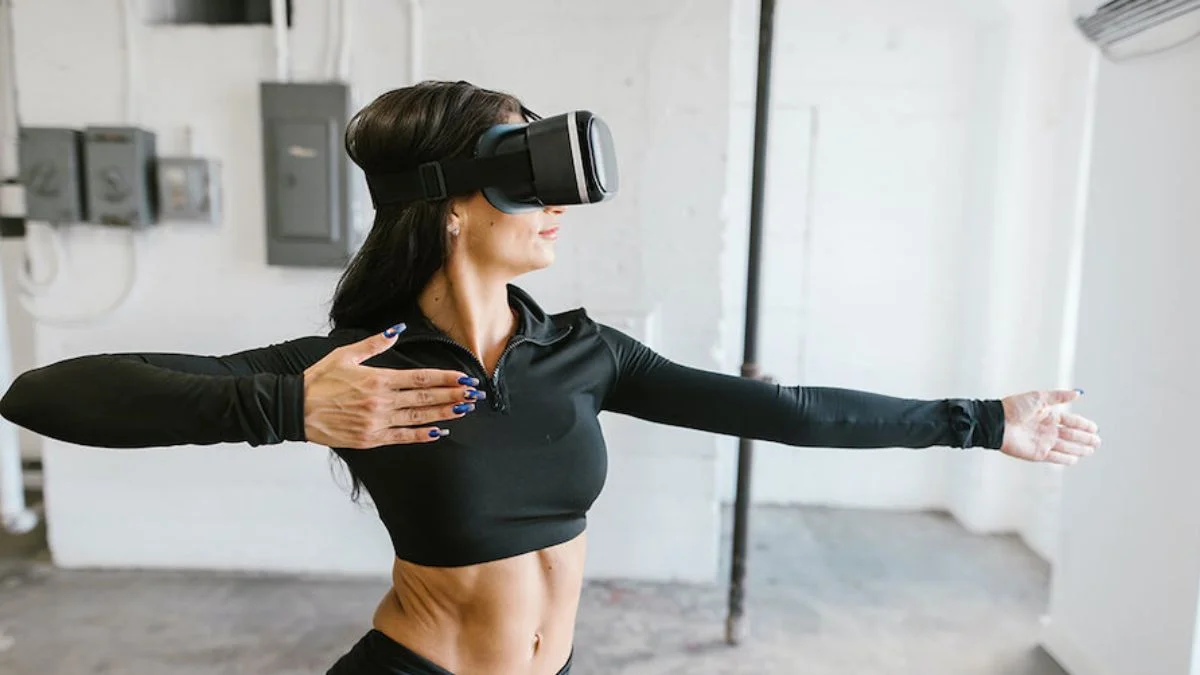
The future of fitness is being reshaped by virtual reality and immersive training, where exercise is no longer limited to gyms, routines, or repetitive movements. Instead of working out in the same space every day, people are stepping into virtual environments that make movement feel exciting, purposeful, and engaging. Fitness is becoming something you experience, not just something you do.
Virtual reality changes training by fully immersing the mind along with the body. When you put on a headset, distractions fade away and focus naturally increases. You are no longer watching a screen or counting reps, but reacting to visuals, sounds, and challenges around you. This level of immersion helps people move more freely and stay active longer without feeling bored or mentally tired.
Immersive training also adapts to different fitness levels and lifestyles. Whether someone wants a quick cardio burst, strength-focused movement, or a calm recovery session, VR experiences can adjust intensity and style instantly. This flexibility makes fitness more accessible to beginners, busy professionals, and people who struggle with traditional workouts. Training becomes personalized rather than one-size-fits-all.
Another major shift is how motivation works. VR fitness uses elements from gaming, such as goals, progress tracking, rewards, and challenges, which keep people coming back. Instead of forcing discipline, it builds consistency through enjoyment. When workouts feel like play or exploration, people are more likely to stay active over time.
Social connection is also shaping the future of immersive fitness. Virtual workouts allow people to train with friends, join group sessions, or compete in challenges from anywhere in the world. This brings back the sense of community that many people miss, while still offering the comfort of working out from home.
As technology continues to improve, virtual reality fitness will feel more natural, more responsive, and more realistic. The future of fitness is moving toward experiences that blend physical effort with mental engagement, making exercise feel less like a task and more like an adventure.