

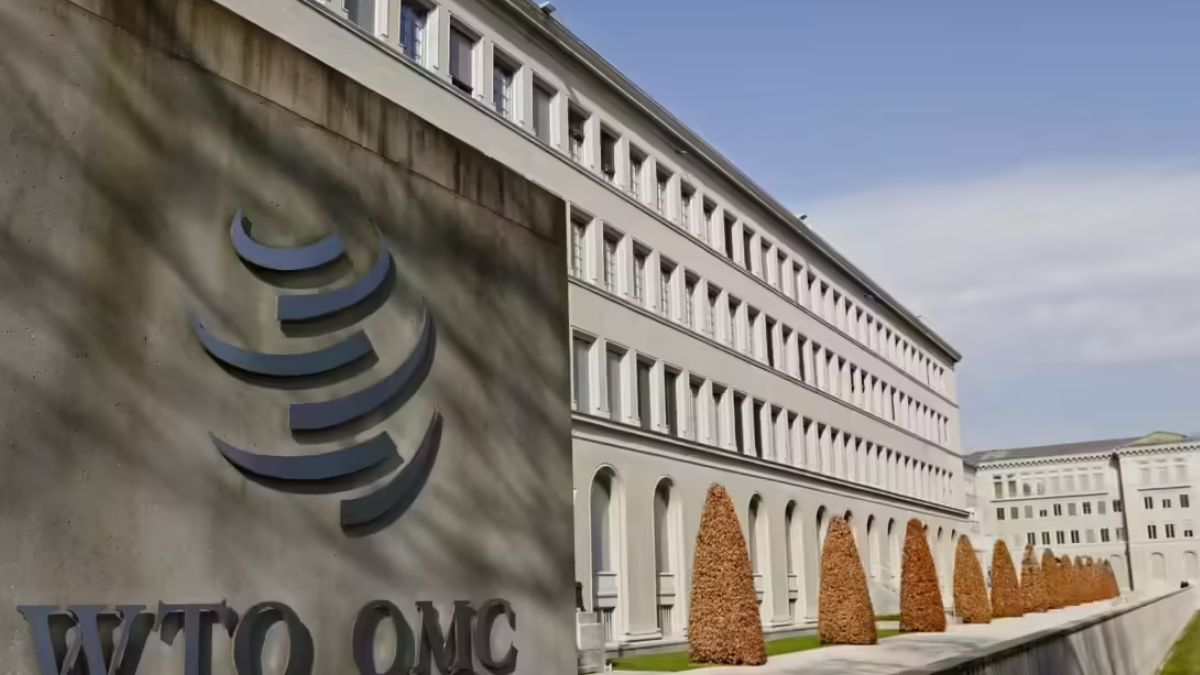
The United States has proposed a flexible pathway to incorporate plurilateral agreements trade deals among subsets of World Trade Organization (WTO) members into the organization’s framework, signaling a major shift in how global trade rules could evolve at the upcoming 14th Ministerial Conference (MC14). This call comes as delegations prepare for the gathering in Yaoundé, Cameroon, from March 26-29, billed as a pivotal “reform ministerial” to address the WTO’s deepening paralysis. The US stance challenges traditional consensus requirements, aiming to bypass gridlock while reevaluating core principles like most-favoured-nation (MFN) treatment and special and differential treatment (S&DT) for developing nations.
In a strongly worded statement, Washington argued that plurilateral initiatives, where benefits and obligations apply only to participating members, offer a pragmatic way forward amid stalled multilateral negotiations. “Members need to rethink how the MFN principle functions in its current form,” the US position paper stated, criticizing the existing setup that demands full consensus to annex such agreements to WTO law. This approach, proponents say, would accelerate progress on emerging issues like digital trade and services, where not all 164 members align. However, it risks fragmenting the rule-based system, potentially favoring coalitions of advanced economies over universal commitments.
The proposal also targets S&DT provisions, which grant developing and least-developed countries longer transition periods, softer obligations, and policy flexibility for growth. The US urged “objective criteria” to determine eligibility, arguing that automatic self-designation undermines the system’s purpose. Additionally, it called for reining in the WTO Secretariat, suggesting “guidance or actions” to ensure it prioritizes member interests over institutional agendas or an “abstract trading system.” These ideas reflect longstanding US frustrations with what it terms “paralytic” decision-making, exacerbated by the Appellate Body’s collapse since 2019.
India leads consensus defense
India, a vocal defender of developing-world priorities, countered sharply, insisting on consensus-based decisions and a fully functional two-tier dispute settlement system. New Delhi advocates preserving S&DT intact, excluding non-trade concerns like environment or labor from WTO purview, and prioritizing mandated issues such as public food stockholding for food security. “Reforms must not dismantle the multilateral foundation,” Indian trade officials emphasized, aligning with like-minded nations to protect policy space amid pressures for plurilateralism. This divide underscores tensions as MC14 Chair Luc Magloire Mbarga Atangana of Cameroon seeks breakthroughs on
Reform stakeS at MC14
MC14 arrives at a crossroads: WTO’s dispute mechanism remains crippled, plurilateral talks on e-commerce and investment face hurdles, and geopolitical fractures deepen trade distortions. US flexibility could unlock deals among willing partners echoing successes like the Information Technology Agreement but risks a “multi-speed” WTO, sidelining smaller economies. Developing members, led by India, warn this erodes equity, demanding reforms reinforce inclusivity.
As ministers converge in Yaoundé, the US blueprint tests the organization’s adaptability. Success might reinvigorate stalled talks; failure could accelerate bilateral and regional pacts outside Geneva. With deadlines looming on TRIPS waivers and moratoriums, the conference’s outcomes will shape global trade governance for years, balancing innovation against the safeguards that leveled the field for emerging markets.