

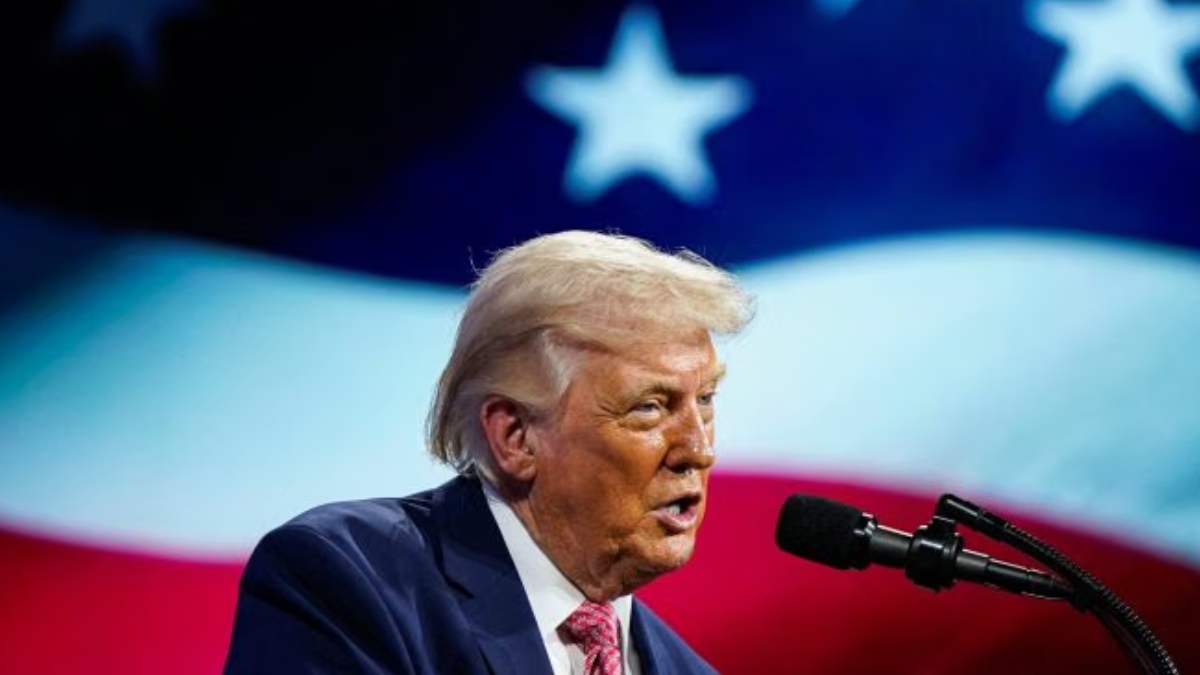
Trump’s latest comments do not mean NATO is about to collapse tomorrow, but they do deepen the alliance’s most serious credibility problem: whether the United States can still be relied on as its ultimate guarantor. The immediate impact is political rather than legal, but the strategic damage is real because deterrence depends as much on belief as on treaty text.
What Trump is signalling
Trump is using NATO as leverage in his broader dispute over allied support for the Iran war, while reviving his long-standing criticism that Europe relies too heavily on US power. By describing NATO as a “paper tiger” and saying withdrawal is being strongly considered, he is not simply complaining about burden sharing; he is questioning the alliance’s strategic value in its current form. That matters because NATO is built on Article 5 collective defence, the principle that an attack on one member is treated as an attack on all. If the US President publicly casts doubt on that commitment, the legal obligation may remain on paper, but the political certainty behind it weakens. In practical terms, allies begin to ask whether deterrence is still credible if Washington might not respond as expected in a crisis.
The legal reality
Despite the headline risk, Trump cannot simply pull the US out of NATO by tweet or interview. Legal experts have long noted that exiting the alliance would face major constitutional and legislative obstacles, including the need to navigate Congress and existing treaty commitments. So the immediate threat is not an automatic withdrawal, but a prolonged period of uncertainty that could last even if no formal exit occurs. That uncertainty is itself dangerous. NATO is not just a military pact; it is a political architecture that reassures Europe, deters Russia, and underpins wider Western coordination. If member states start doubting the durability of US protection, they may respond by accelerating independent defence planning, increasing spending, or quietly hedging through new regional arrangements. The alliance could survive legally while becoming strategically less coherent.
What it means for Europe
For European allies, Trump’s comments are a warning that the old assumption of automatic American leadership can no longer be taken for granted. That does not mean NATO is obsolete. It means Europe must prepare for a future in which US support is more conditional, more transactional, and more dependent on domestic American politics. The most immediate consequence is likely to be intensified pressure on European governments to raise defence spending and demonstrate military seriousness. Smaller states on NATO’s eastern flank will be especially anxious, because their security depends most directly on credible US backing. Meanwhile, adversaries will watch carefully for any sign that alliance unity is fraying. Even rhetorical doubt from Washington can embolden rivals by creating the impression that NATO’s political will is weakening. So what do Trump’s latest comments really mean? They do not automatically end NATO, but they expose how fragile the alliance becomes when its leading power treats collective defence as a bargaining chip. In legal terms, the treaty still stands. In strategic terms, the alliance has entered a period of maximum uncertainty