

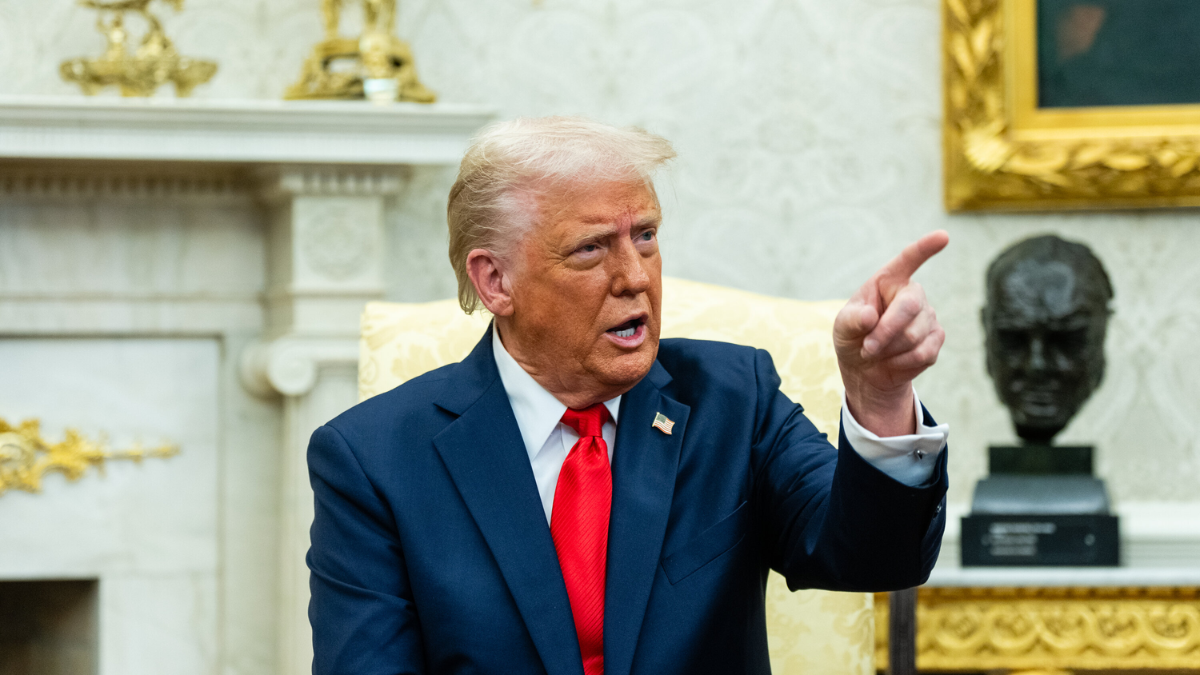
The U.S. president’s threat to hit Iran’s power and water infrastructure is not just political theater. Trump has warned he would “obliterate” Iran’s energy plants and oil wells if Tehran does not reopen the Strait of Hormuz, and he has also threatened desalination plants that supply clean water. Those are serious statements because they describe attacks on infrastructure that civilians depend on every day. At the same time, the reporting shows the threat is being used as leverage. Trump has already paused planned strikes for five days and then later for 10 days while talks continued, which suggests he is trying to pressure Iran rather than making an immediate, irreversible decision. That makes the threat real, but still conditional.
Why It Raises War-Crime Concerns
The strongest legal concern is that deliberate attacks on civilian infrastructure can violate international humanitarian law. Amnesty International said Trump’s warning to attack Iran’s power plants is a threat to commit war crimes, and it argued that such attacks could deprive millions of civilians of electricity, water, healthcare, food, and a basic standard of living. Amnesty also said that even if a power plant is treated as a military target in limited circumstances, an attack would still be unlawful if it causes disproportionate civilian harm. That matters because power plants and desalination facilities are not ordinary battlefield targets. They sit in the legal gray zone of dual-use infrastructure, but when they are essential to civilian survival, the burden on the attacker is much higher. Reuters’ reporting makes clear that the targets under discussion are not just oil wells or military assets, but also water systems and electrical plants, which is why rights groups and legal experts reacted so strongly.
Will He Actually Do It?
The best evidence says: maybe, but not yet. Trump has repeatedly escalated the rhetoric, but he has also postponed action and described talks with Iran as “going well,” which suggests the threat is partly a bargaining tool. Washington and Tehran have been sending conflicting messages about negotiations, which means the situation is unstable and the president’s final choice may depend on whether diplomacy fails or Iran makes concessions. There are also strong reasons he may stop short of the most extreme option. Strikes on power and desalination systems would almost certainly provoke retaliation, and Iran has already warned that it could respond against Gulf energy and water infrastructure if targeted. That could widen the conflict, threaten shipping through the Strait of Hormuz, and spike global economic costs. But this is not empty talk. The reporting shows the president has already moved from vague threats to specific deadlines, explicit target categories, and repeated public warnings. When a leader repeatedly threatens a protected civilian system and then partially pauses the plan, the threat remains credible because it can be reactivated at any time.
Bottom Line
The most accurate answer is that this is a credible coercive threat, not a harmless bluff. Trump appears to be using the possibility of extreme strikes to pressure Iran into reopening the Strait of Hormuz and accepting a deal, but the same reporting shows he has preserved the option to act if talks collapse. So will he go through with it? The short answer is: he might, but the current pattern points more toward brinkmanship than immediate execution. If he does carry it out against civilian power or water infrastructure, the action would draw serious war-crimes allegations and likely deepen the conflict sharply.