

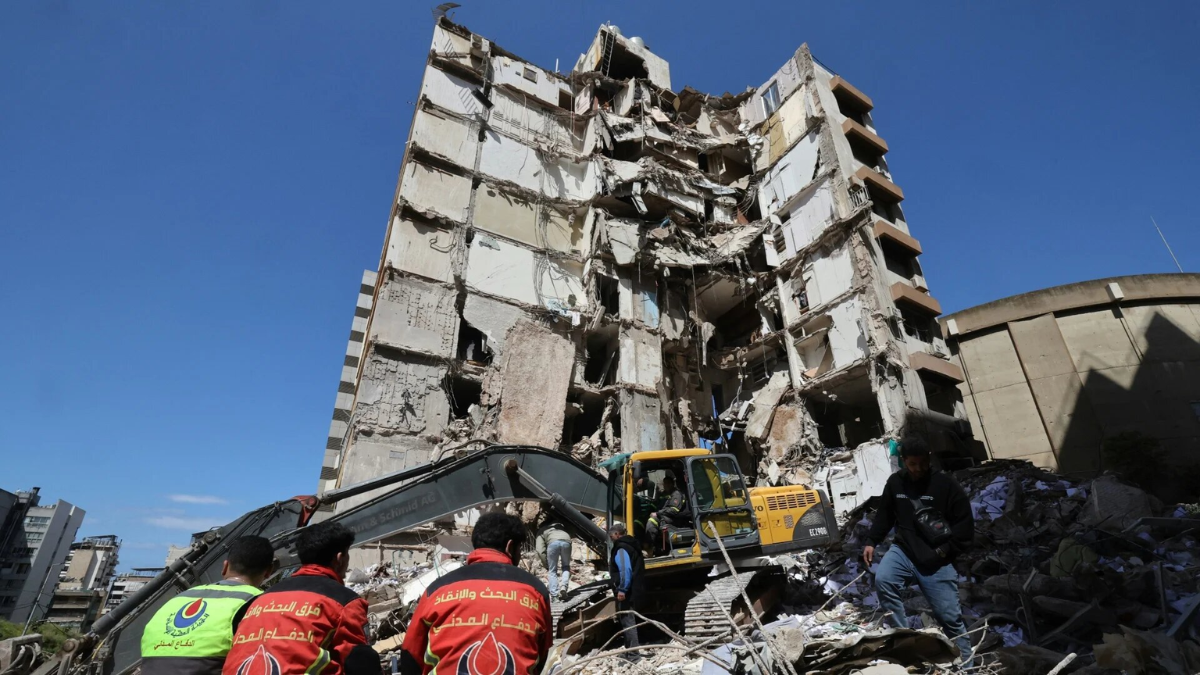
Russia has again taken a sharply pro-ceasefire line, condemning Israeli attacks on Lebanon and calling for an immediate end to hostilities. Its position is not new, but the latest statements reflect Moscow’s consistent argument that the Lebanon front is dangerously widening the broader Middle East conflict and must be stopped through diplomacy.
What Moscow said
The Russian Foreign Ministry said it “strongly condemns” the attack on Lebanon and urged Israeli authorities to immediately cease hostilities and withdraw their troops. Russian diplomats have also framed the issue as one of civilian protection, saying indiscriminate strikes are unacceptable and warning that the violence could spill into a wider regional war. In its UN messaging, Russia has also backed calls from the UN Secretary General for the safety of peacekeepers and for a swift ceasefire along the Lebanese-Israeli border.
Why Russia is saying it
Russia’s stance serves several overlapping purposes. First, it presents itself as a defender of sovereignty and international law, especially when Lebanese civilians and UNIFIL personnel are at risk. Second, Moscow is using the crisis to criticise the United States and Israel for what it describes as escalation rather than de-escalation, arguing that continued military action only deepens instability in the Middle East. Third, Russia has strategic incentives to align itself rhetorically with Lebanon and against Israeli military action because this strengthens its broader diplomatic posture across the region.
Legal significance
Legally, Russia’s statement is important because it invokes core principles of international humanitarian law, including the protection of civilians, the sovereignty of states, and the safety of UN peacekeepers. That does not mean Russia is acting as a neutral arbiter, but it does mean Moscow is trying to place Israel’s Lebanon campaign within a legal frame that stresses proportionality, non-discrimination, and the duty to avoid attacks on civilian areas. The repeated call for an immediate ceasefire also reflects the Russian view that continued hostilities are no longer a limited border issue but a wider threat to regional stability.
Diplomatic impact
The practical effect is to increase international pressure on Israel at the UN and in regional diplomacy, especially when combined with similar criticism from China and other states. Russia’s language also helps shape the narrative that the Lebanon conflict is not separate from the wider Iran-linked escalation, even if different theatres are being treated differently in ceasefire talks. In short, Moscow is pushing a ceasefire line not just to stop the fighting, but to assert itself as a major diplomatic player in the Middle East crisis